
Will opposition protests resume in democratic republic of Congo
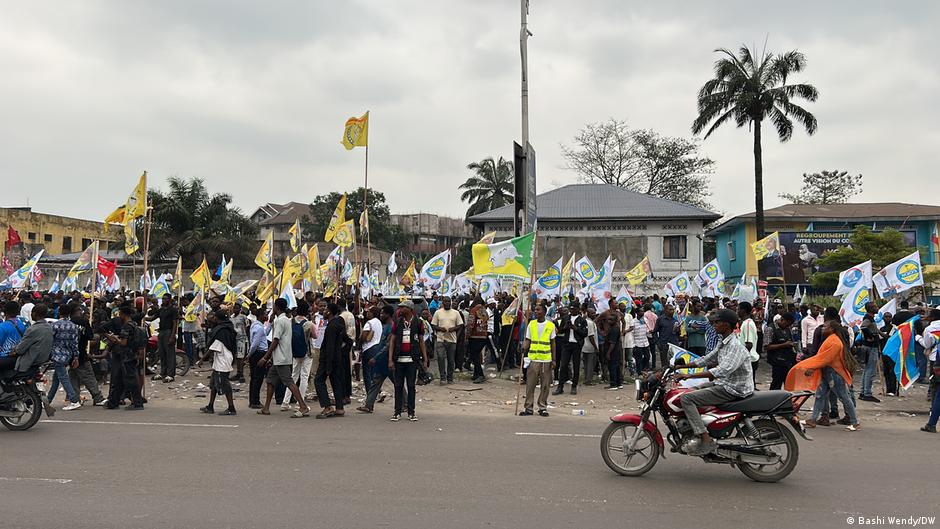
Following the Constitutional Court’s endorsement of the referendum framework law, the political landscape in the Democratic Republic of Congo has intensified. While the ruling power views this as a procedural victory, the opposition condemns it as a step toward constitutional manipulation, fueling fears of escalating unrest.
The coalition Article 64, a key opposition force, has vowed to maintain pressure. Spokesperson Prince Epenge delivered a defiant message: “We will not back down. We will pool our strength and energy to ensure this law never takes effect in our nation.” He further emphasized the public’s anger, urging citizens to “stand firm, remain mobilized, and reject both a third term in office and any attempt at national fragmentation.”
Mounting concerns in Kinshasa
As opposition leaders convened to strategize, residents in the capital expressed deep anxiety over the potential for renewed political turmoil. Many worry that upcoming protests could spiral into violence, disrupting daily life and endangering lives.
A local resident questioned the opposition’s approach: “Will their demonstrations remain peaceful? We must avoid any loss of life.” Another echoed similar fears, stating, “The political climate here could deteriorate sharply following this ruling.”
Some citizens even accused the government of orchestrating instability to undermine opposition movements. One resident argued, “The real troublemaker is the current administration. It frequently deploys agents to sabotage opposition marches.”
Another resident expressed grave concern for civilians: “The population will bear the brunt of any violence during these protests.”
Dialogue at risk amid political tensions
Timo Roujean, a political analyst with the Konrad Adenauer Foundation, warned that swift presidential approval of the law could derail ongoing dialogue efforts. “If the president signs this legislation before August 15, all progress toward reconciliation will be erased,” he cautioned. The expert highlighted the growing rhetoric of a “constitutional coup,” suggesting that such a move would embolden factions advocating armed resistance.
The Constitutional Court’s decision has further polarized the situation. With the presidential camp now armed with a legal framework and the opposition resolute in blocking constitutional changes, the coming weeks will be pivotal in determining the trajectory of the crisis.