
DRC opposition vows protests after constitutional ruling
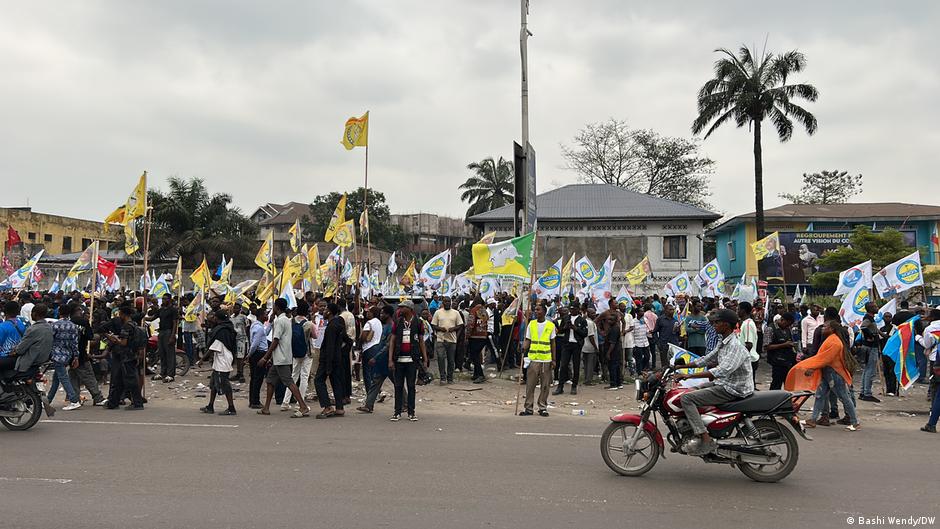
The recent decision by the Constitutional Court to validate the referendum organization law has reignited political tensions in the Democratic Republic of the Congo (DRC). Opposition groups condemn the move as a constitutional coup, vowing to escalate their resistance.
The coalition Article 64 has categorically rejected the court’s ruling, asserting that it paves the way for constitutional amendments they fiercely oppose. Prince Epenge, a spokesperson for the coalition, delivered a defiant message to the public: “We will not back down. We will mobilize every resource to ensure this law never takes effect in our country.”
Epenge emphasized the coalition’s resolve, stating: “The people are angry and must stand firm, united in opposition to a third term and any attempts at political fragmentation.”
Kinshasa residents voice concerns over escalating unrest
As Article 64 leaders convened to strategize their response, residents in the capital expressed growing apprehension. Many fear that renewed protests could disrupt daily life and escalate into violence.
One resident questioned: “Will their demands be pursued peacefully?” while stressing the need to “avoid any loss of life.”
Another local echoed similar concerns, warning that “the political climate in the DRC could deteriorate further following this decision.”
A third resident went further, alleging that “the current instability is being fueled by those in power, who often deploy agents to disrupt opposition marches.”
One community member added: “The real victims will be ordinary citizens when protests turn violent.”
Political dialogue at risk amid constitutional deadlock
Timo Roujean, an analyst at the Konrad Adenauer Foundation, warned that President Félix Tshisekedi’s swift approval of the law could derail ongoing efforts to foster political dialogue. He cautioned that ratifying the legislation before August 15 could “nullify any progress in reconciliation” and embolden factions advocating for armed resistance.
Roujean highlighted the rising rhetoric of a “constitutional coup,” stressing that the court’s decision could “provide ammunition to those who believe violent opposition is the only viable response.”
The standoff between the presidential camp—now armed with a legal framework—and an opposition determined to block constitutional reforms sets the stage for a critical phase in the DRC’s political crisis.