Congo democratic republic political tensions rise over constitutional changes
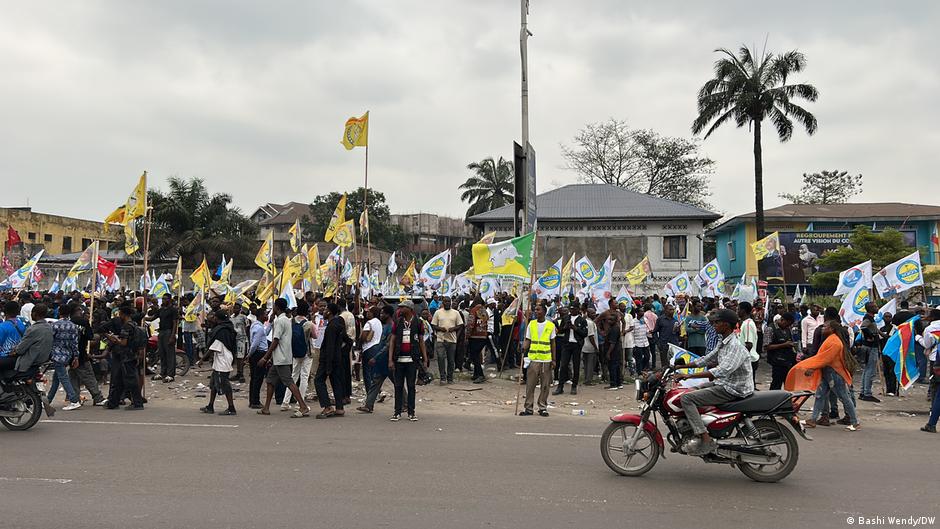
The constitutional court’s validation of the referendum law has reignited fierce debates across the Democratic Republic of Congo, with opposition groups now preparing for renewed demonstrations. The decision, seen by many as a legal green light for constitutional amendments, has only deepened the divide between authorities and their critics.
The coalition Article 64, a leading opposition force, has vowed to intensify its resistance. Spokesperson Prince Epenge delivered a clear message to supporters: “We will not back down. We will channel all our strength and energy to ensure this law never takes effect in our country.”
Epenge emphasized the public’s growing frustration, urging citizens to “stand firm, remain mobilized, and reject any attempt at a third term or what they call ‘balkanization.'”
Kinshasa residents voice concerns amid rising tensions
As opposition leaders gathered to map out their next moves, ordinary residents in Kinshasa expressed growing unease about the potential fallout. Many fear that any protests could spiral into violence, disrupting daily life and putting lives at risk.
“Will their protests remain peaceful?” wondered one resident, stressing the need to “avoid any loss of life.”
Another local echoed these concerns, “I worry the political climate in the DRC could deteriorate further following this decision.”
A third resident placed responsibility squarely on the government, “The real troublemaker right now is the ruling power. They often deploy people to disrupt opposition marches.”
Others highlighted the human cost, “It’s the population that will suffer the most when protests erupt.”
Political dialogue at risk of collapse
Analyst Timo Roujean of the Konrad Adenauer Foundation warns that a swift presidential endorsement of the law could derail ongoing efforts to foster political dialogue. If President Félix Tshisekedi signs the text before August 15, the fragile peace talks may collapse entirely, he cautions.
“If he ratifies the law this quickly, the dialogue process could be destroyed,” Roujean stated. He added that in an already tense environment—where talk of a constitutional coup is spreading—this court ruling could embolden factions advocating armed resistance as the only way to oppose the government.
The constitutional court’s decision has not resolved the crisis. Instead, it has set the stage for a high-stakes confrontation between a government now armed with legal legitimacy and an opposition determined to block any constitutional reform. The coming weeks will be critical in shaping the future of Congo’s political landscape.