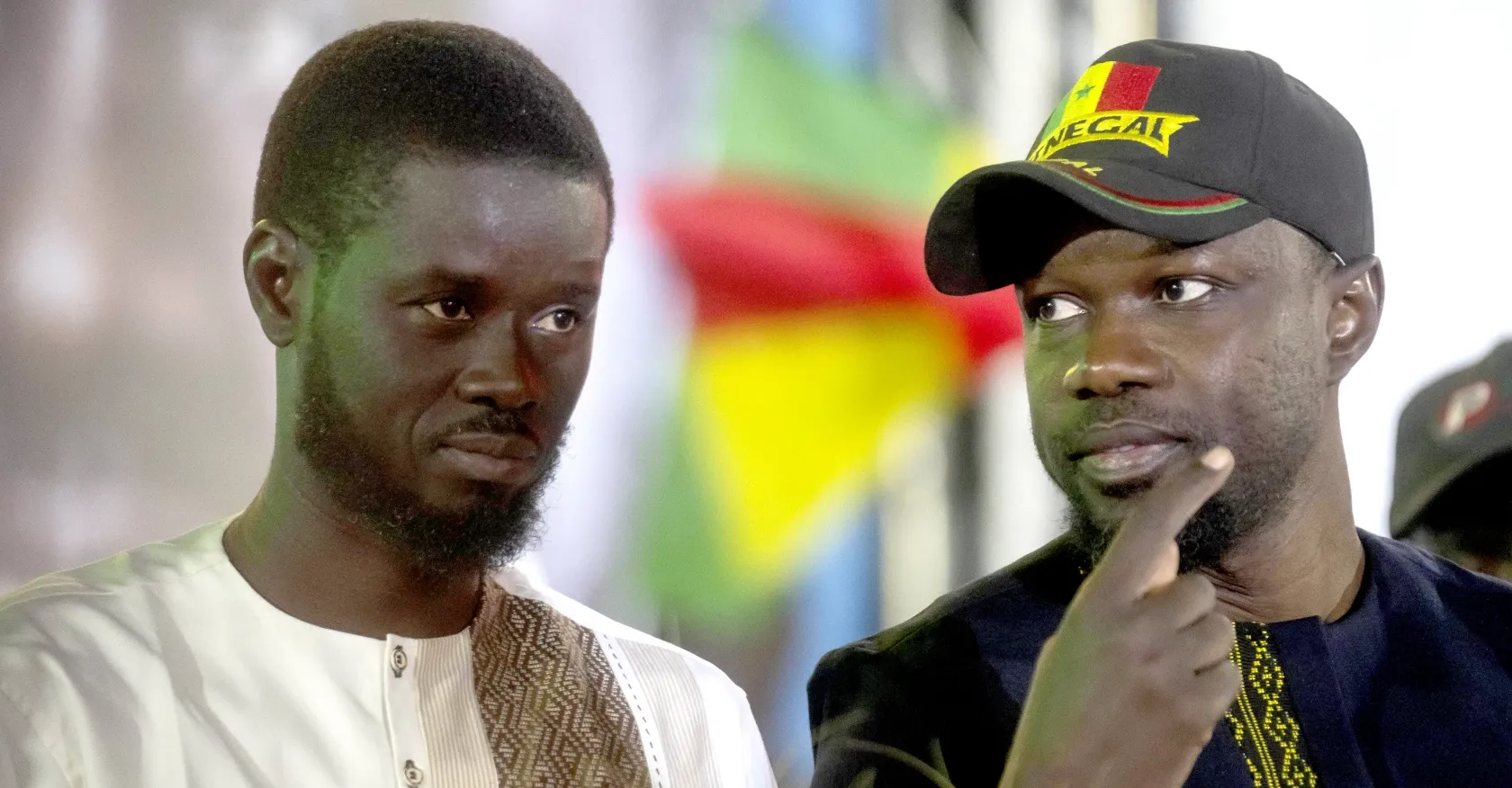

The political landscape in Senegal has shifted dramatically after President Bassirou Diomaye Faye terminated the mandate of Prime Minister Ousmane Sonko. The announcement, made late Friday evening, marks the end of a close political partnership that had shaped the nation’s governance in recent years.
Government operations have been immediately affected. The Secretary-General of the Presidency, Oumar Samba Ba, confirmed that the outgoing cabinet will continue handling current affairs until a new administration is formed. This standard procedure ensures continuity in state functions during transitional periods.
Context and immediate consequences
While the presidency did not disclose the reasons behind the dismissal, analysts note that this decision reflects deep political realignments within the administration. The move signifies a strategic reconfiguration ahead of upcoming legislative and municipal elections, where coalition dynamics will play a decisive role.
The outgoing Prime Minister, a prominent political figure, had been instrumental in implementing key reforms during his tenure. His removal sends a clear signal about the President’s vision for the next phase of governance in Senegal.
Government transition process
As the nation prepares for a new cabinet, the government is operating under transitional arrangements. Each minister remains in place solely to manage ongoing matters until their successors are appointed. This approach is designed to maintain administrative stability and avoid disruptions in public services.
The timeline for forming a new government has not been officially announced. Presidential advisors are expected to finalize consultations within the coming days, aligning with constitutional guidelines and the President’s agenda.
What happens next?
With the political transition now underway, attention turns to potential candidates for the Prime Minister’s position. Speculation is already circulating about profiles that could strengthen the administration’s cohesion and policy execution. The new appointee will inherit a complex domestic and regional agenda, including economic recovery, security cooperation, and electoral preparations.
The President’s decision underscores the fluidity of Senegal’s political environment. It also highlights the importance of strategic leadership in navigating challenges and shaping the country’s future trajectory.