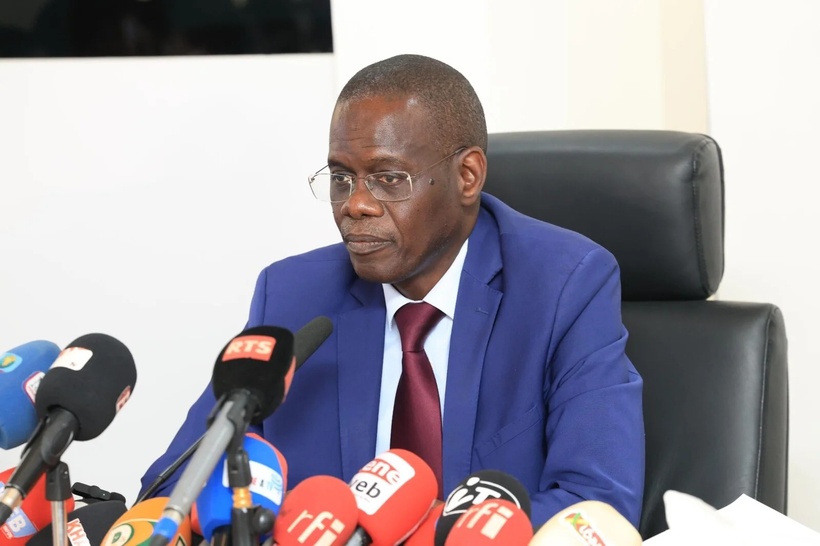

The Senegalese government and the International Monetary Fund (IMF) teams have successfully concluded a staff-level agreement, paving the way for a comprehensive 36-month program under the Extended Credit Facility (ECF). This crucial support, valued at nearly 2.2 billion US dollars (approximately 1,229 billion FCFA), is designed to restore the nation’s budgetary viability while simultaneously fostering growth within the private sector.
A significant financial boost is on the horizon for Senegal’s state finances. Authorities in Dakar and the IMF have finalized this technical understanding, which is set to bolster the country’s economic trajectory throughout the 2026-2029 period.
Economy bolstered by hydrocarbon momentum
Despite facing a challenging financial landscape, Senegal’s macroeconomic indicators demonstrate the national economy’s remarkable resilience:
A robust 6.7% growth is projected for 2025, primarily fueled by the accelerating production in the petroleum sector.
Non-hydrocarbon GDP is anticipated to rebound to 4.7% in the first quarter of 2026, driven by sustained household consumption.
Inflation remains well-controlled at 1.4%, effectively safeguarding the purchasing power of households across the country.

Prioritizing fiscal discipline and social equity
The ambitious three-year program outlines several key strategic levers for implementation:
Increasing domestic revenues to lessen reliance on external borrowing and reduce overall indebtedness.
Strengthening governance frameworks and enhancing budgetary transparency to ensure responsible financial management.
Preserving vital social safety nets to shield the most vulnerable segments of the population from potential economic adjustments.
However, the final approval and subsequent disbursement of these funds are contingent upon several critical conditions. These include validation by the IMF’s Executive Board, the successful implementation of specified corrective measures, and securing essential financing guarantees from Dakar’s international partners. This significant development is a key piece of Sahel current affairs, highlighting economic strategies in the region.