
Senégal’s 2029 election: new electoral law paves way for Ousmane Sonko
President Bassirou Diomaye Faye has signed a controversial electoral reform law that significantly alters the political landscape ahead of the 2029 presidential election. The move has reignited debates within the Pastef party and positioned Prime Minister Ousmane Sonko as a leading candidate for the race.
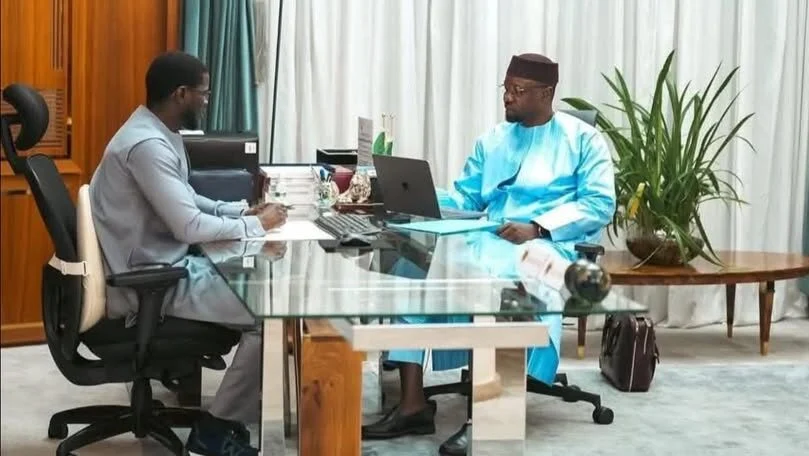
The decree, authenticated on Saturday, marks a turning point in the country’s political trajectory. While the law’s primary aim is to redefine civil rights restrictions—particularly those affecting electoral eligibility—it has sparked sharp reactions across the political spectrum.
Controversial reforms stir internal party tensions
The law reduces the duration of civil rights suspension from five years to two years following a conviction, a provision with retroactive implications. This change directly benefits Ousmane Sonko, whose 2023 conviction for defamation—handed down during Macky Sall’s administration—had previously barred him from running in the 2024 election.
Internal disagreements within the Pastef party have intensified. Some members accused President Faye of deliberately delaying the law’s adoption under the pretext of “technical errors,” fueling speculation about his motivations. After a second parliamentary vote on May 9, the reform was finally enacted, though not without leaving lingering questions about its long-term impact on the party’s unity.
Legal hurdles cleared for Sonko’s future candidacy
The 2023 conviction, later upheld by the Supreme Court in January 2024, had initially disqualified Sonko from the 2024 race. Despite this setback, he secured a seat in the National Assembly during the November 2024 legislative elections before stepping down to focus on his current role as Prime Minister. The new law’s retroactive clause now clears a major obstacle to his potential 2029 run.
As the political climate in Senégal grows increasingly complex, the electoral reform has set the stage for a high-stakes showdown between institutional reforms and partisan ambitions. The coming years will reveal whether this legislative shift strengthens democracy or deepens divisions within the nation’s leading political force.