
Senegal’s electoral reform clears path for Sonko’s 2029 bid
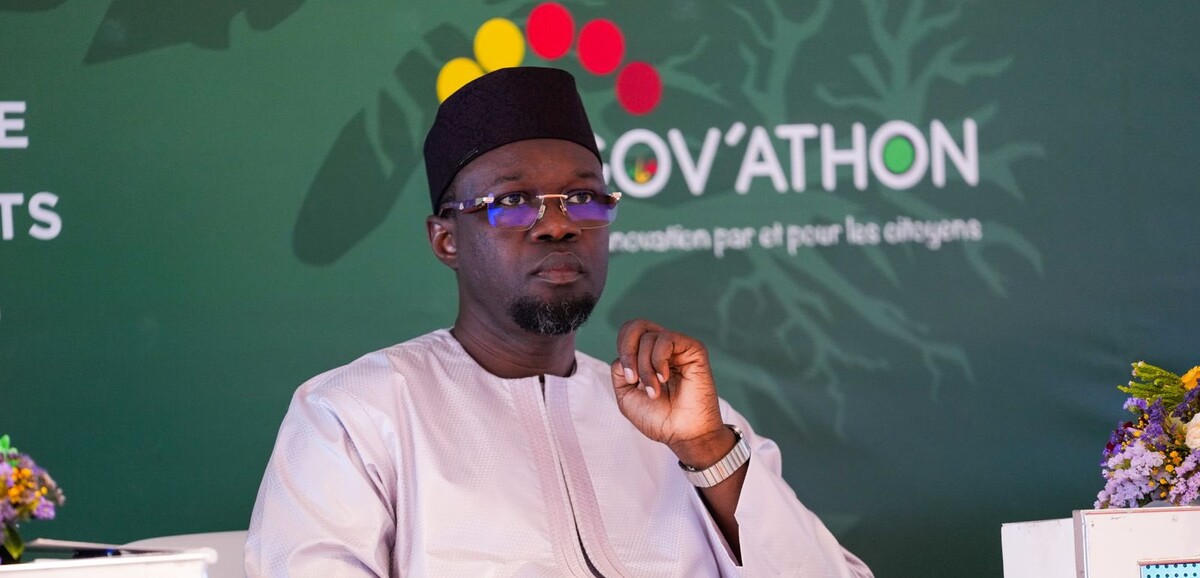
President Bassirou Diomaye Faye has signed into law a sweeping electoral reform that could pave the way for opposition leader Ousmane Sonko to contest the 2029 presidential election.
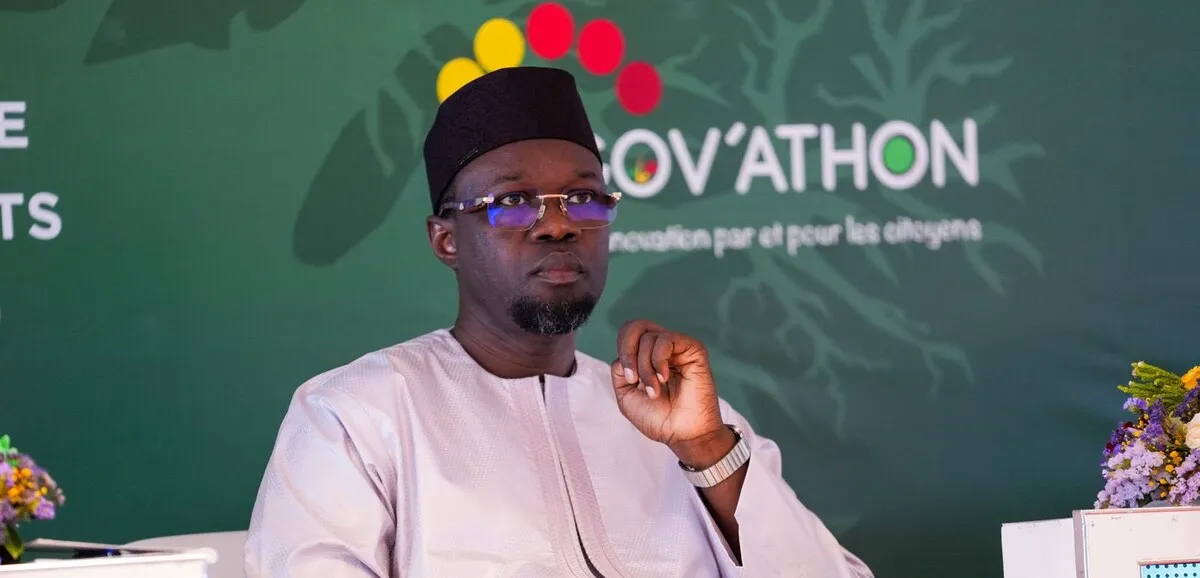
The landmark legislation introduces critical changes to civil rights restoration in Senegal. The new provisions limit the period for ineligibility due to criminal convictions to five years post-sentence, with retroactive application—potentially reinstating Sonko’s eligibility for the presidency.
Sonko’s 2024 exclusion
The former Prime Minister was disqualified from the 2024 presidential race following a defamation conviction upheld by the Supreme Court. His party, Pastef, subsequently nominated Bassirou Diomaye Faye, who went on to win the election.
Tensions within the ruling party
The reform has sparked heated debates within Pastef. Some of Sonko’s allies recently accused President Faye of attempting to obstruct the legislation, fueling speculation about emerging rivalries ahead of the 2029 vote.
Political implications
Despite his 2024 disqualification, Sonko was elected to parliament in legislative elections later that year before resigning to remain Prime Minister. His supporters now argue this development solidifies his future eligibility for higher office.