
This mechanism will empower deputies to verify the efficient and transparent use of public funds in Senegal.
A significant reform has recently taken shape within Senegal’s legislative framework. On Friday, August 26, 2026, the National Assembly officially established the Public Policy Evaluation Committee (CEPP). This new body represents the fulfillment of a commitment stemming from the 2016 constitutional revision, marking a pivotal moment for transparency and effective governance across the nation.
The CEPP is far more than just another parliamentary committee. Its core mission is to meticulously analyze the actual impact of state investments on the daily lives of Senegalese citizens. This institution is tasked with structuring, conducting, and overseeing the evaluation of public policies. Through this mechanism, members of parliament will now be able to rigorously assess whether public funds are being utilized both efficiently and transparently.
Parliamentarians will no longer simply vote on legislation; they will now possess a dedicated technical arm to measure the effectiveness of government actions. To ensure its legitimacy and broad representation, the CEPP incorporates key figures from across the National Assembly. Its composition reflects the diverse political landscape, including the President of the National Assembly, the heads of all parliamentary groups, the chairs of the 14 permanent commissions, the representative for non-registered deputies, and an additional nine deputies appointed proportionally to the political forces present.
This inclusive structure guarantees a democratic balance, integrating both the majority and the opposition directly into the process of scrutinizing public action.
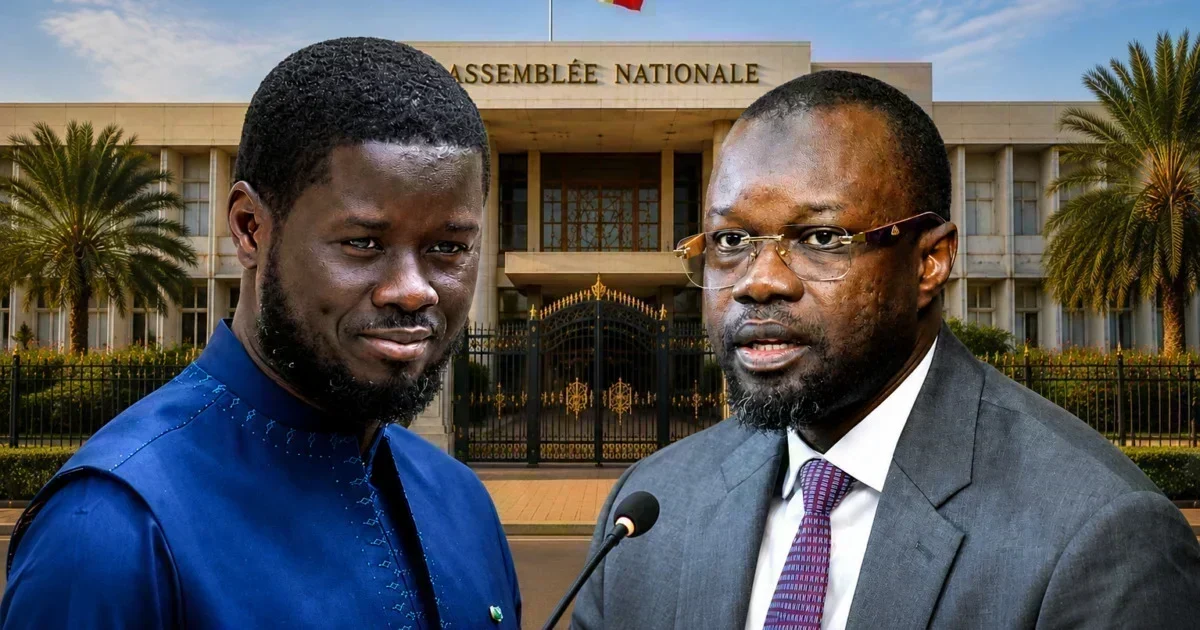
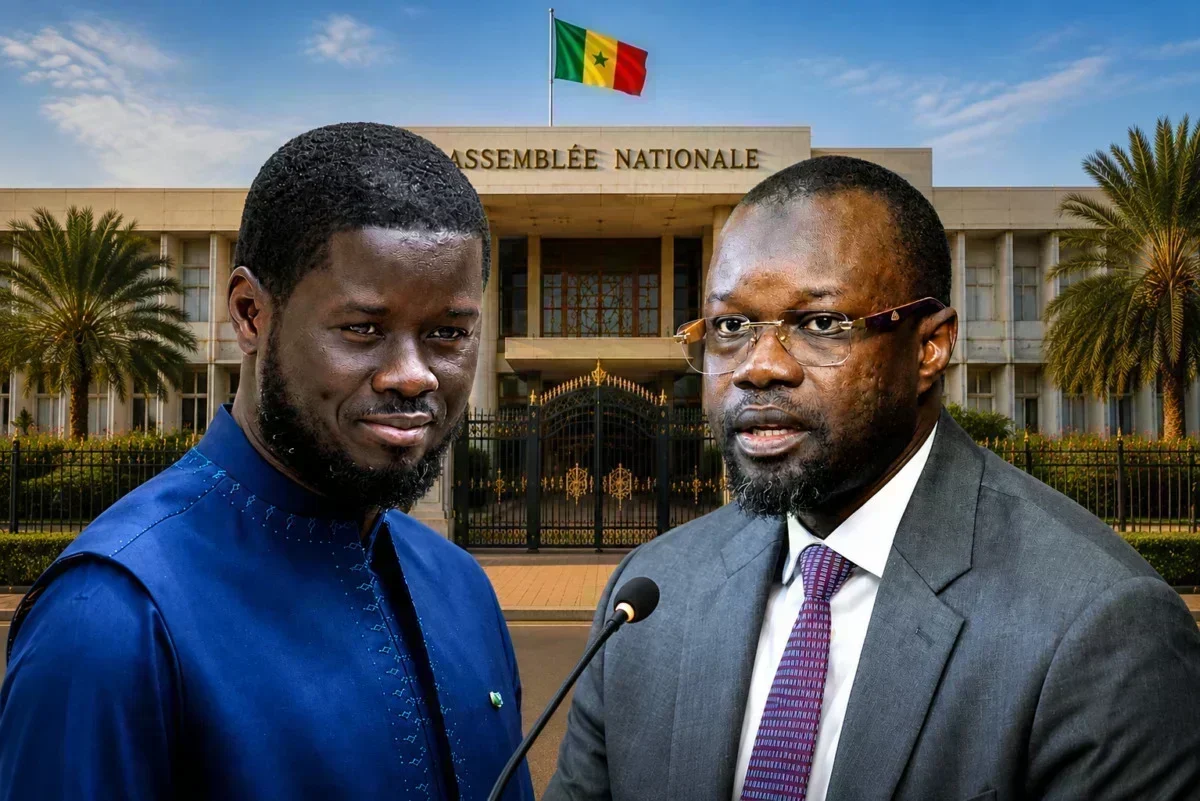
Ousmane Sonko takes the helm
During its inaugural meeting, the CEPP’s bureau was elected to guide the committee’s initial undertakings. As anticipated, the presidency was entrusted to Ousmane Sonko, who currently serves as the President of the National Assembly. His leadership is expected to be vital in endowing the committee with the necessary authority when engaging with the Executive branch.
He will be supported by Mohamed Sall, who was elected as the first vice-president, and Djimo Souaré, appointed as the second vice-president. The administrative oversight and report drafting responsibilities will be managed by Béatrice Germaine Faye and Adama Diallo, serving as the first secretary and second secretary, respectively.
This vote heralds a new era for Senegalese parliamentarism. The CEPP is expected to swiftly establish its work agenda. Citizens are keenly awaiting the initial evaluation reports, particularly concerning critical sectors such as health, education, and the economy.