Senegal’s palm oil pivot: can Indonesia ties finally break the import habit?
Senegal is betting big on Indonesian expertise to revive a palm oil sector that has been stuck below 12,000 hectares for years. The question now: will this partnership finally cut the country’s costly reliance on imports, or become another missed opportunity?
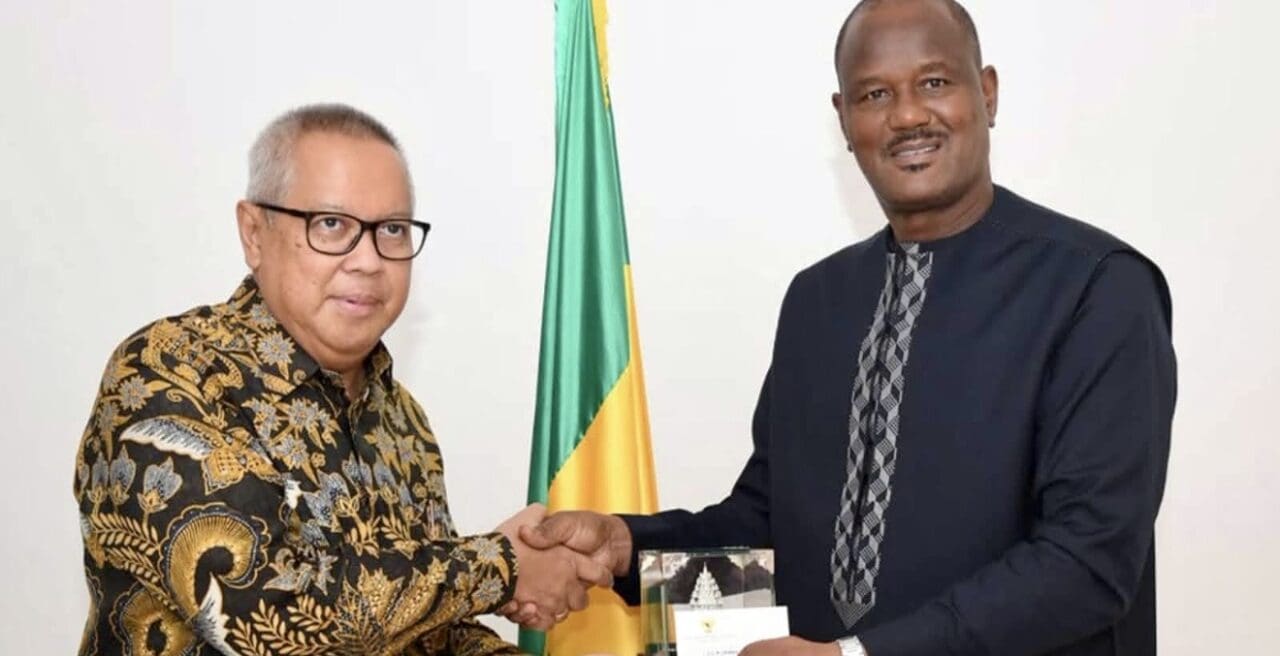
A low-key meeting in Dakar on September 11 could mark a turning point for a sector that has been dormant for a decade. Senegal’s Ministry of Agriculture, Food Sovereignty and Livestock (MASAE) presented Indonesian Ambassador with an ambitious plan: develop 60,000 hectares of oil palm plantations in the center and south of the country. That would multiply current cultivated area fivefold.
According to information from the Senegalese Press Agency (APS), both sides are now working to set up a joint technical working group to steer the next steps. On sensitive points like a precise timeline and financing structure, Senegalese officials remain tight-lipped for now.
A sector crippled by a decade of stagnation
The stakes are high, matching the accumulated backlog. FAO data is unequivocal: between 2015 and 2024, land dedicated to oil palm cultivation in Senegal never exceeded 12,000 hectares, hovering around 11,800 hectares. This inertia inevitably hit industrial palm oil production, which also remained frozen at around 14,000 tonnes over the period.
The result: to meet unwavering domestic demand, Senegal has no choice but to open the import floodgates. An average of 148,100 tonnes of palm oil were bought abroad each year between 2015 and 2024 — peaking at 195,937 tonnes in 2017 — with a bill averaging nearly $108 million annually, reaching $172 million in 2020. A costly dependency that Dakar clearly aims to target in its food sovereignty strategy.
Indonesia: a heavyweight partner on the global stage
Choosing Indonesia is no accident. With production estimated at 46.7 million tonnes for the 2025/2026 season, according to the US Department of Agriculture (USDA), the Asian archipelago dominates global palm oil production — and also ranks first in exports. A supremacy built on decades of expertise in varietal selection, plantation management and industrial processing.
For Dakar, the challenge goes beyond simply expanding cultivated area: it’s about capturing that know-how through technology transfer and local capacity building — a prerequisite for building a finally productive and better-structured sector.
A model already tested elsewhere on the continent
Senegal is not breaking new ground: other African countries have already forged similar partnerships with Jakarta. In Tanzania, authorities signed a cooperation agreement in 2025 with the Indonesian Palm Oil Association (GAPKI), covering training, technical support and skills transfer. In Nigeria, Africa’s top palm oil producer, a memorandum of understanding inked in 2024 between local producers and GAPKI pursues the same goals: sharing knowledge and technology to boost productivity.
The question remains whether Dakar can turn the trial into success where others have merely laid the groundwork.