Gabon’s EU fisheries renegotiation: reactions, debate and the road ahead
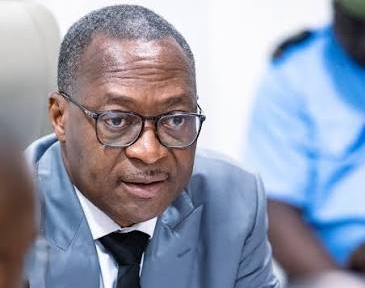
A new chapter in Gabon’s fisheries relationship with the European Union is officially underway. Aimé Martial Massamba, Minister of Fisheries, the Sea and the Blue Economy, has been tasked with preparing a fresh partnership. Meeting on Friday, 18 September 2026, at the presidential palace in Port-Gentil, the Council of Ministers authorised the launch of talks aimed at a new Sustainable Fisheries Partnership Agreement (SFPA) and its implementing protocol.
The decision has sparked immediate reactions across political, economic and civil society circles. Many see it as a decisive moment for Gabon’s sovereignty over its marine resources, while others question whether the new deal will truly differ from the one that was scrapped. The Council of Ministers also approved formally notifying the EU of Gabon’s position and setting up a national negotiating team, along with a timetable for the various rounds of discussions.
The government says it wants a partnership that is renewed, balanced and mutually beneficial, while safeguarding Gabon’s sovereignty over its fisheries resources and ensuring their sustainable exploitation. That promise is now under public scrutiny, with observers asking how the authorities will translate these principles into concrete terms.
How we got here: from denunciation to new negotiations
The move follows Gabon’s denunciation on 4 June 2025 of the fisheries agreement that bound it to the European Union. The protocol signed in June 2021, which expired on 28 June 2026, had allowed up to 33 European vessels to fish for tuna species in Gabonese waters. In return, the EU paid Gabon around €1.6 million per year, in addition to contributions from shipowners.
The renewal of the partnership comes as Libreville and Brussels have already begun exchanges on the future of their cooperation in the sector. In June 2026, the European Union said it was ready to negotiate a “new generation” agreement and a new implementing protocol, taking into account the concerns raised by Gabon.
Why the old deal was rejected
The Gabonese government had announced its intention not to renew the agreement in its current form, arguing that it was unbalanced and worked against Gabon’s interests, both economically and in terms of local processing and value addition of fisheries resources.
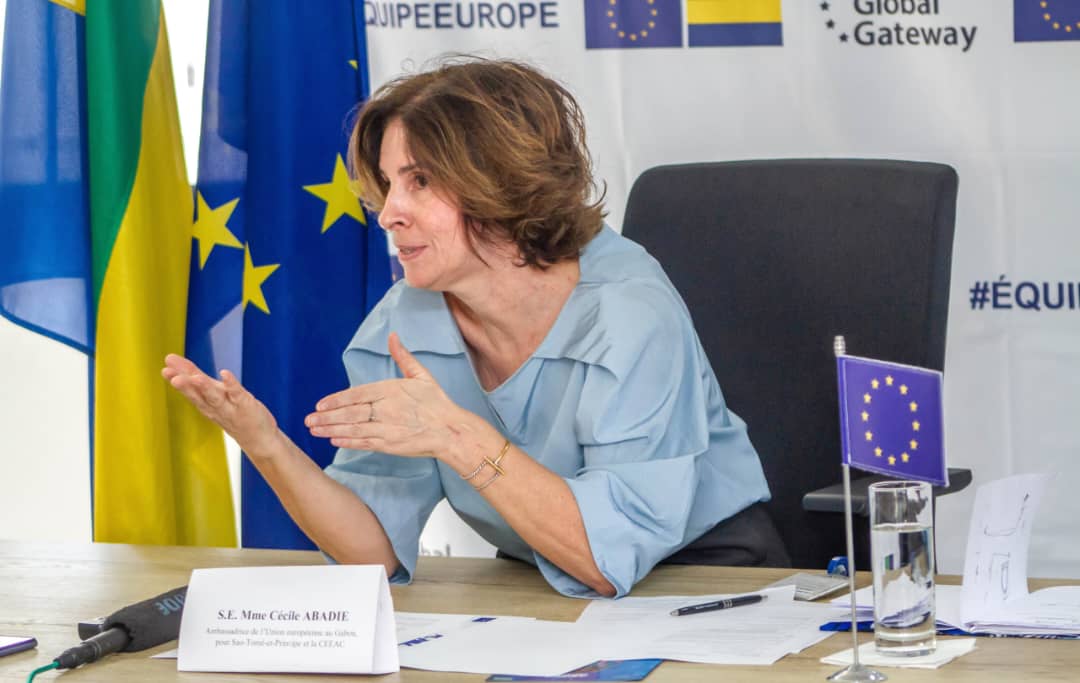
It was against this backdrop that the European Union’s ambassador to Gabon, Cécile Abadie, gave an exclusive interview in which she called for dialogue rather than confrontation. “My wish is that we can sit around the table and discuss each of these points as quickly and efficiently as possible,” she said.
Her remarks reflect Brussels’ desire to keep the dialogue open and pave the way for negotiating a new partnership. The tone has been welcomed by those who fear a prolonged stalemate, though sceptics warn that warm words must be matched by fair terms.
What comes next: priorities and expectations
Minister Aimé Martial Massamba has placed fisheries sovereignty, the fight against illegal, unreported and unregulated (IUU) fishing, and the development of a sustainable blue economy among his department’s priorities. As negotiations get underway, stakeholders – from local fishing communities to industrial operators and environmental groups – will be watching closely to see whether these goals are reflected in the final text.
The coming months will test Gabon’s ability to strike a deal that serves its people and its marine ecosystems, while keeping a constructive relationship with its European partner. The debate is far from over.