Mali’s media under fire: Maliweb.net’s role in the propaganda debate sparks national reckoning
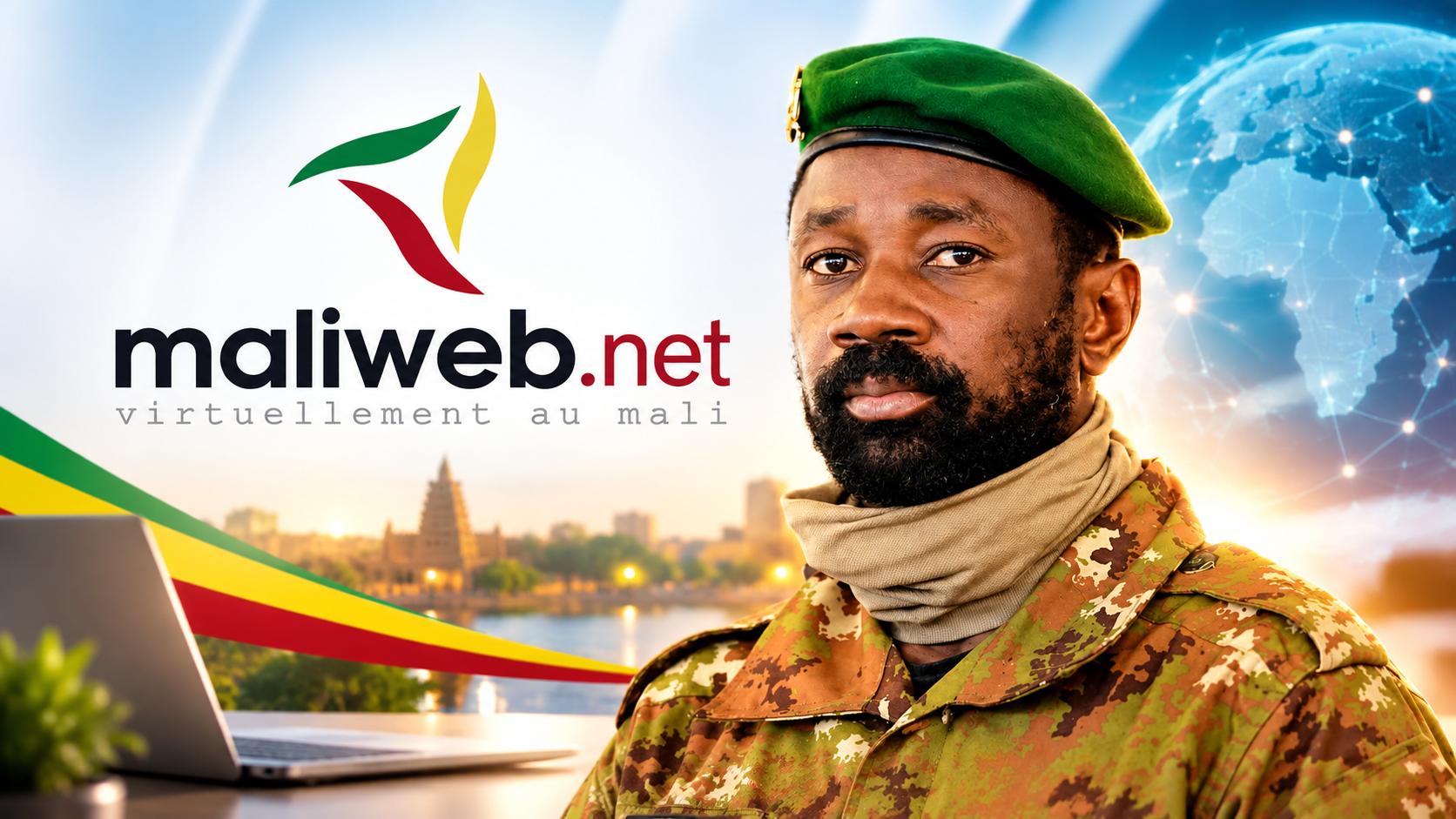
In Mali’s fiercely contested information landscape, the line between factual reporting and wartime communication has not merely blurred — it has been deliberately erased. At the centre of this transformation sits Maliweb.net, a portal once celebrated for showcasing the diversity of the country’s online press, which has steadily morphed into a key conduit for the official line, even at the cost of distorting conditions on the ground.
A shift from reporting to tailored narrative
The dramatic events of 15 September 2026 provide a stark case in point. While multiple converging accounts and field observations pointed to deadly clashes that left over 150 Malian soldiers killed or captured in the Dioura and Mondoro areas, the coverage offered by the website painted a radically different picture.
By reproducing statements from the Army General Staff without any filter or independent verification, the outlet downplayed the toll of losses beneath the gloss of a glorious counterattack. The narrative served to readers depicted a heroic manhunt and the methodical destruction of terrorist bases, deliberately obscuring the human cost borne by the armed forces.
The machinery behind a systemic manipulation
This asymmetric treatment of security news relies on well-honed mechanisms:
- Exclusive relay of institutional versions: By publishing almost exclusively DIRPA communiqués or state-press pieces without prior cross-checking, the portal unilaterally validates the government’s communication strategy.
- Invisibility of losses and setbacks: Human tolls on the side of the Malian Armed Forces (FAMa) are systematically minimised or passed over in silence, with the aim of sustaining a sense of military infallibility among the public.
- Disqualification of dissenting voices: Any attempt at independent cross-checking or mention of operational difficulties is indirectly marginalised, labelled as disinformation or as damaging troop morale.
Malian citizens and the trap of information asphyxiation
This drift raises a major democratic question. By abandoning its duty of restraint, verification and balance, Maliweb.net does not merely relay communiqués: it actively participates in constructing an altered narrative of the war.
For citizens and observers, the quest for objective information becomes an obstacle course. By transforming an information space into an ideological echo chamber, aligned media actors erode public trust in the local press and deprive society of a lucid view of the country’s real security situation.
Reactions and what comes next
The fallout has been swift and polarising. Across Bamako and beyond, journalists, civil-society figures and ordinary readers have begun to openly question the role of outlets that blur the boundary between news and state messaging. Some press freedom advocates warn that the credibility of the entire Malian media ecosystem is at stake, while others argue that in a context of active conflict, national cohesion must take precedence.
What happens next will depend largely on whether independent verification can be restored as a standard practice. Observers suggest several possible paths: greater editorial transparency from portals like Maliweb.net, the emergence of alternative digital platforms committed to cross-checked reporting, or increased pressure from international media watchdogs. None of these outcomes is guaranteed.
For now, the debate itself marks a turning point. The public conversation has shifted from simply consuming war news to interrogating who produces it, under what constraints, and for whose benefit. That reckoning may prove as consequential as the events that triggered it.