
Adoption de la loi de révision constitutionnelle au Sénégal
29 juin 2026The ruling Pastef parliamentary majority successfully passed the constitutional reform legislation, securing 129 votes in its favor. In response, the opposition chose to boycott the session, particularly following the removal of one of their members, Abdou Mbow, from the chamber after he declined to leave the podium.
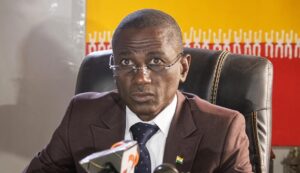
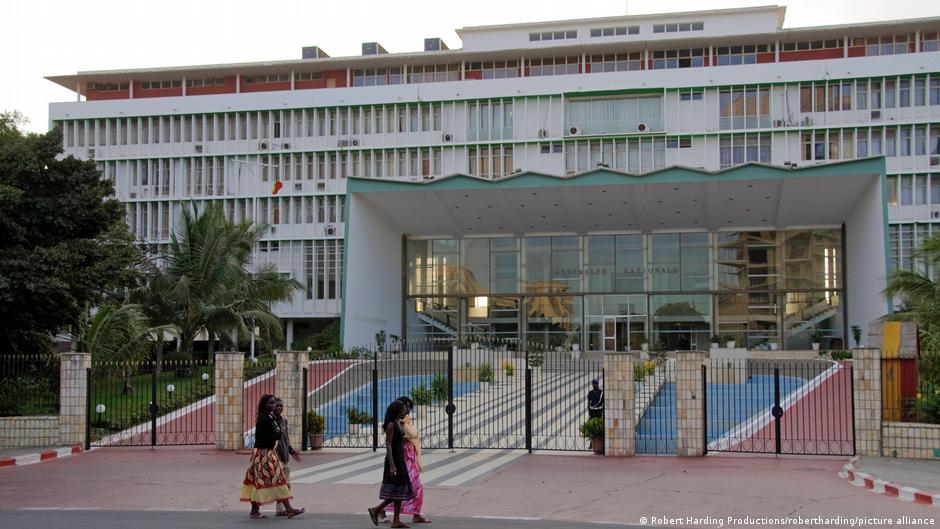
Justice Minister Moussa Sarr represented the government, advocating for its four proposed amendments. However, all these amendments were ultimately rejected by the majority deputies. I was present at the National Assembly to witness these proceedings.
Opposition stages walkout
Opposition lawmakers accused National Assembly President Ousmane Sonko of procedural violations, leading to their decision to boycott the legislative session.
They characterized the constitutional overhaul proposed by Pastef as an « outrage ».
Aïssata Tall Sall, who chairs the opposition’s parliamentary group, offered her perspective.
« Our objective has been met, » she declared. « The aim was to demonstrate to the world that what is unfolding in the National Assembly is nothing short of dictatorship and an outrage. Gendarmes were deployed to remove a deputy who was merely exercising his right to speak. This is precisely what we wanted to expose to the global community. Mission accomplished. »
Government and Pastef clash over reform
Meanwhile, Justice Minister Moussa Sarr saw all four of his amendments rejected by Pastef deputies. These amendments addressed what he perceived as a disruption to the balance of power between the President and the National Assembly, tipping the scales in favor of the latter:
« This revision impacts critical constitutional matters and fundamentally alters the equilibrium of our system, » he explained. « It concerns the rationalization of censure motions, limits the right of dissolution, modifies the process for appointing Constitutional Court members, and affects our foundational statutes and international commitments. Specifically, granting the ability to file a censure motion ten times within a single legislative term, while restricting the President of the Republic to only one dissolution during their mandate, undeniably disrupts the traditional institutional balance. »
Divergence between President Diomaye Faye and Ousmane Sonko
A key point of contention between Pastef and President Bassirou Diomaye Faye involves the mandatory declaration of assets at both the start and conclusion of a presidential term. According to Ousmane Sonko, the President of the National Assembly, such a disagreement should not arise, emphasizing that these were previously agreed-upon commitments.
« The President of the Republic has cherry-picked the text, retaining only what suits him, » Sonko asserted. « The Constitution does not belong to Bassirou Diomaye Faye. To claim, ‘no, I will no longer declare assets at the end of my term,’ or ‘no, I wish to be a party president,’ when these were commitments made during a political dialogue, championed by the party… For over a decade, we have fought this battle together. By what right can a single individual decide to selectively adhere to what benefits them? »
Ousmane Sonko has urged President Bassirou Diomaye Faye to promulgate the law, while the head of state, conversely, intends to submit the text to a national referendum.
This constitutional overhaul sparked protests from both opposition groups and civil society organizations this Monday morning, occurring in the vicinity of the National Assembly.