
The Prime Minister of Senegal, Ousmane Sonko, has publicly challenged President Bassirou Diomaye Faye over the handling of political funds, drawing a clear line between their approaches to governance.
Speaking with unwavering conviction, Sonko declared, « I disagree with the President on this matter. I believe he has made a mistake, and I hope he will reconsider his position. » His remarks underscored a fundamental difference in how the two leaders view the use of these controversial funds.
Addressing the nation, Sonko emphasized that the coalition’s original pledge was never to eliminate these funds entirely, but rather to dismantle the shadowy systems that allow them to be misused. « No secret coffers filled with public money, entrusted to individuals without oversight, should ever exist, » he stated, highlighting the need for greater accountability.
Revealing that the Prime Minister’s office alone controls 1.77 billion FCFA in political funds, Sonko made it clear these resources must no longer serve as tools for electoral manipulation or personal enrichment. Instead, he advocated for a sweeping reform centered on transparency and parliamentary oversight, drawing inspiration from France’s own budgetary controls.
While acknowledging that certain expenditures, such as those tied to national security, cannot be disclosed publicly, Sonko proposed the creation of a specialized parliamentary committee. This group would verify that allocated funds are used for their intended purposes. As a concrete step toward transparency, he announced the elimination of cash transactions in favor of digital transfers and checks for managing his office’s funds.
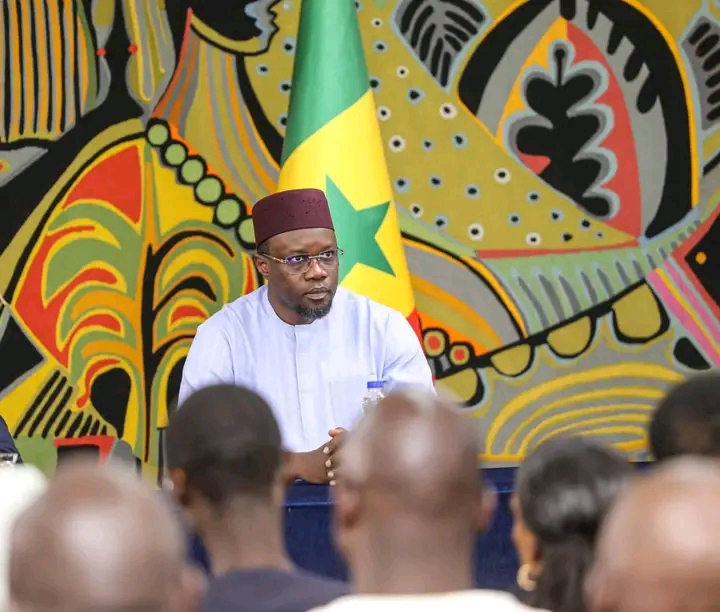
« This is a matter of principle, » he declared to a round of applause from lawmakers. « The funds will remain, and I am not opposed to increasing them—provided they are properly monitored. »
The Prime Minister’s stance signals a potential shift in how Senegal manages its political finances, prioritizing openness and responsibility over secrecy and discretion.