
Suspicion against foreigners growing in Senegal amid stricter checks
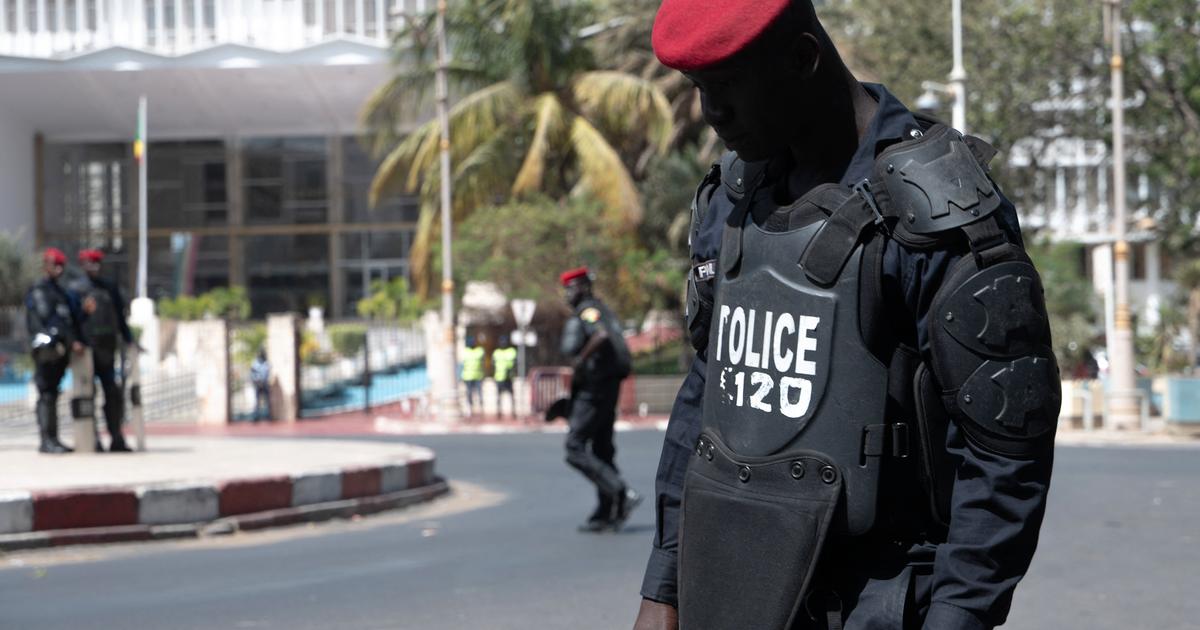
It was just past 10 p.m. when Amadou Bangoura, a 30-year-old student from Bénin, left his gym in the Liberté 6 district of Dakar. The streets were nearly empty, shops had closed for the night, and only a few vehicle headlights cut through the darkness. That’s when two police officers stopped him without warning. ‘Papers, now,’ they demanded.”
For Bangoura—who had lived legally in Sénégal for five years with a valid residency permit—the encounter left a lasting impression. ‘I didn’t know what would happen next,’ he recalled. His experience reflects a growing unease among foreign residents in the country, who feel their presence is increasingly met with suspicion rather than the famed Teranga—the Wolof word for hospitality that has long defined Sénégambia’s welcoming spirit.
Between June 30 and July 8, authorities conducted a sweeping campaign targeting foreigners in and around the capital. The Direction de la police des étrangers et des titres de voyage reported 490 identity checks, resulting in 36 detentions for irregular stay. While officials cite “strengthening public safety” as the goal, critics argue the measures disproportionately affect West African migrants, particularly Guineans, who make up over 40% of the foreign population in Sénégal.
From hospitality to hardline policies
Civil society leaders warn that the current approach goes beyond routine migration control. In a July 13 statement, they condemned what they describe as a “systematic culture of suspicion” against foreigners, citing arbitrary arrests, excessive paperwork demands, and prolonged detentions. These concerns come at a delicate time: Sénégal recently assumed the rotating presidency of the Economic Community of West African States (ECOWAS), an organization built on principles of regional integration and free movement.
Online hostility has also surged, particularly on TikTok, where users have targeted Guinean communities, blaming them for taking jobs from Sénégalais. Such rhetoric echoes xenophobic narratives seen elsewhere in Africa, including recent unrest in South Africa, raising questions about whether Sénégal is drifting away from its traditional values of openness.
Legal residents caught in the crossfire
Bangoura’s ordeal highlights a paradox: even those with proper documentation are being scrutinized. ‘I was in full compliance with the law,’ he said. ‘Yet I still felt like a suspect.’ The crackdown has left many long-term residents questioning whether the Teranga they once knew is eroding under the weight of new security priorities.
As debates over migration policy intensify, one thing is clear: the balance between security and hospitality is becoming harder to maintain. For now, the streets of Dakar tell a different story—one where the foreigner’s right to belong is no longer taken for granted.