
Hidden billions in Cameroon’s development loans revealed
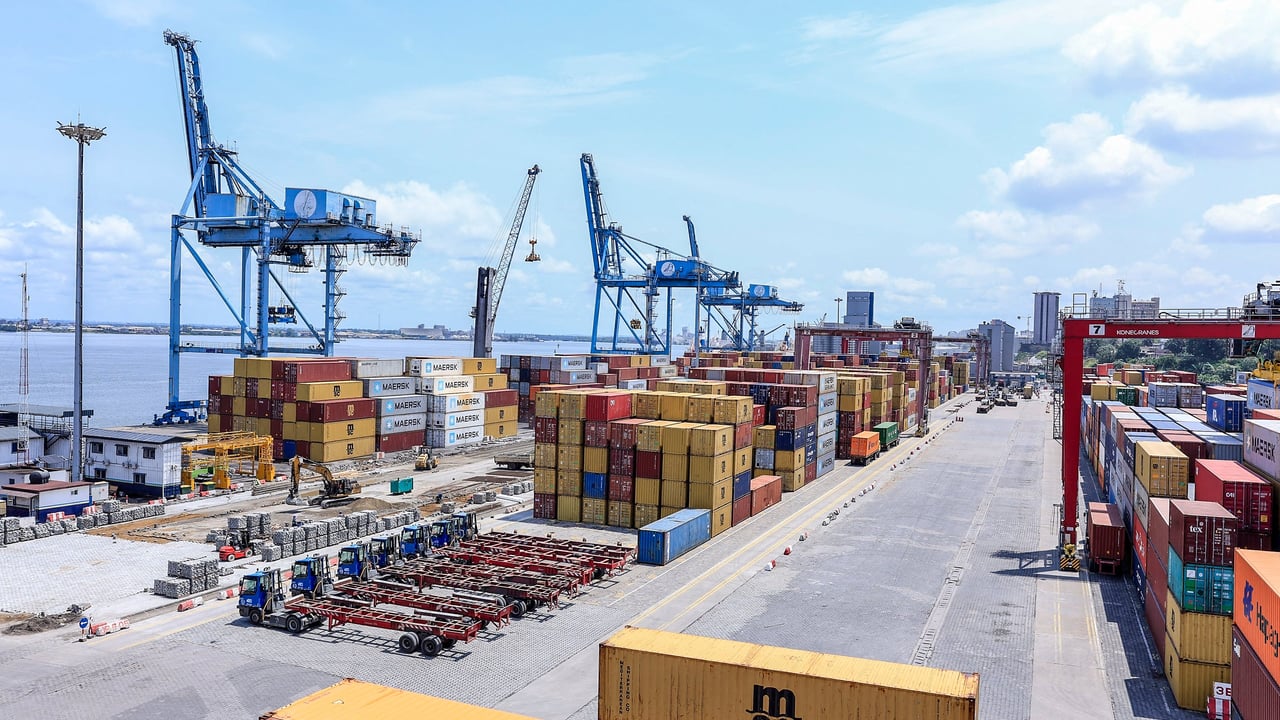

A closer look at Cameroon’s port of Douala reveals more than just bustling trade activity. Behind the logistics lies a pressing question: where do billions in development loans vanish after disbursement?
Recent financial oversight reports highlight a staggering gap between approved funds and their tangible impact. Development institutions like the World Bank and the African Development Bank have poured billions into Cameroon’s infrastructure and social programs over the past decade. Yet, measurable progress remains elusive in many sectors.
Tracking the trail of borrowed funds
Government records show that between 2015 and 2024, Cameroon secured over 4.5 billion dollars in concessional loans. These funds targeted critical areas such as road networks, healthcare facilities, and education. However, audits indicate that nearly 30% of these disbursements were either misallocated or lost to inefficiencies.
Local economists point to systemic issues in fund management. “The problem isn’t the availability of funds but the transparency in their use,” explained a senior economist based in Yaoundé. Delays in project execution and weak accountability mechanisms further exacerbate the issue, leaving communities without the promised benefits.
Where accountability falters
One glaring example is the Lom Pangar Dam project, funded by the African Development Bank. Initially budgeted at 280 million dollars, costs ballooned to 420 million dollars—a 50% overrun. Despite the additional funds, power generation targets fell short, leaving thousands without reliable electricity.
Similar patterns emerge in healthcare. A World Bank-backed malaria eradication program, allocated 150 million dollars, struggled with delayed procurement of bed nets and medicines, rendering the initiative ineffective for years.
Calls for reform intensify
Civil society groups and international partners are urging Cameroon to adopt stricter financial oversight. Proposed measures include real-time fund tracking systems and independent audits of all development projects. “Without these reforms, billions will continue to disappear into bureaucratic black holes,” warned a governance analyst.
The government has acknowledged the challenges, pledging to improve transparency. Yet, concrete actions remain scarce, leaving stakeholders skeptical about meaningful change.
As Cameroon navigates its economic future, the fate of these untapped billions hangs in the balance—will they fuel growth or vanish into unaccounted shadows?