
The rise and fall of africa corps Russia’s shadow army in the Sahel
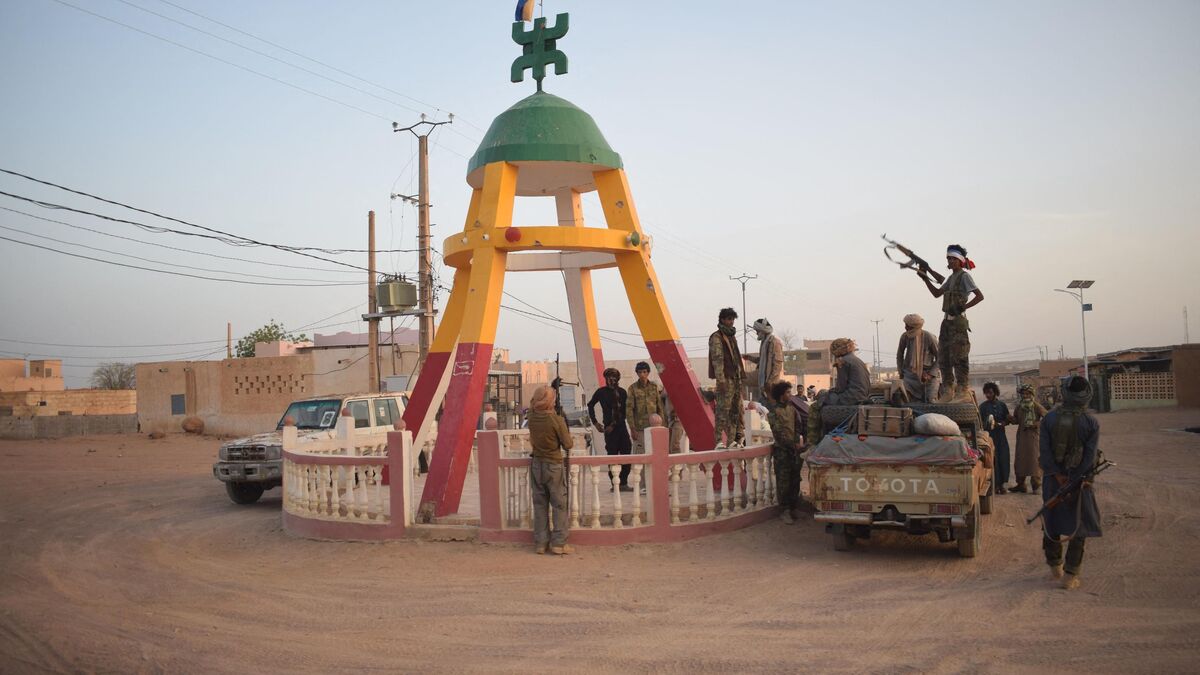
The Sahel is witnessing a dramatic shift in its security landscape. Over the weekend, a coalition of Islamist militants and Tuareg rebels launched coordinated attacks across Mali, seizing control of Kidal—a strategic stronghold previously held by a shadowy Russian paramilitary force. This withdrawal marks a significant blow to Africa Corps, Moscow’s latest military proxy in the region, which had been propping up the Malian junta for years.
a secretive force with deep roots
Africa Corps emerged in late 2023 as a direct response to the decline of Wagner Group, Russia’s infamous mercenary army. Unlike its predecessor, Africa Corps operates with stealth and centralized control under the Kremlin’s direct oversight. Its creation was first hinted by military blogger Deux Majors on Telegram, quoting Igor Korotchenko—a former colonel and Kremlin-aligned journalist—who revealed that the organization falls under the command of Deputy Russian Defense Minister Yunus-bek Yevkurov.
The timing was no coincidence. Just months earlier, Wagner’s founders, oligarch Yevgeny Prigozhin and Dmitri Utkin, died in a suspicious plane crash, following their brief rebellion against Moscow. With Wagner’s future uncertain, Africa Corps stepped in to fill the void, absorbing personnel and operations across Africa.
military muscle and political ambitions
Africa Corps has wasted no time in making its presence felt. In Mali alone, analysts estimate thousands of fighters have been deployed to prop up the junta in Bamako, battling both Islamist insurgents and Tuareg separatists. The group’s stated mission? To help African nations break free from Western influence, dismantle colonial-era dependencies, and reclaim full sovereignty—all while positioning Russia as a dominant player in the region.
The organization’s name is no accident. A direct nod to Nazi Germany’s Afrikakorps, it serves as both a propaganda tool and a warning: Russia’s ambitions in Africa are as deliberate as they are far-reaching. Yet unlike Wagner, Africa Corps avoids the overt brutality that once tarnished its predecessor’s reputation. Instead, it focuses on forging alliances with sympathetic governments, offering military training, weapons, and logistical support.
expanding influence beyond Mali
Africa Corps has rapidly extended its reach beyond Mali’s borders. Burkina Faso, Libya, Sudan, the Central African Republic, and Niger now host its operatives, each deployment reinforcing Moscow’s strategic foothold. The group’s operations are less flashy than Wagner’s, but no less impactful. By embedding itself in local power structures, it has become a key player in shaping Sahelian politics—often at the expense of Western interests.
While Africa Corps avoids the large-scale atrocities attributed to Wagner, it has not escaped international scrutiny. In 2024, the United Kingdom sanctioned the group, accusing it of widespread human rights abuses and exploiting Africa’s natural resources for Moscow’s gain. Yet these measures have done little to curb its expansion.
a fragile foothold in the Sahel
The loss of Kidal is a stark reminder of Africa Corps’ vulnerability. The group’s grip on the Sahel is tightening, but not unchallenged. As Islamist groups and rebel factions regroup, the junta in Bamako—once dependent on Russian firepower—now faces an uncertain future. With Western powers scaling back their presence, Africa Corps had positioned itself as Mali’s indispensable ally. But in a region where loyalties shift as quickly as the desert sands, even Moscow’s most loyal proxy cannot guarantee survival.
For now, Africa Corps remains a critical tool of Russian influence in Africa. Whether it can sustain that role—or whether its losses in Kidal signal a broader retreat—will depend on forces far beyond Mali’s borders.