
The sahel watergate: leaked audio reveals the hidden agenda of kémi séba
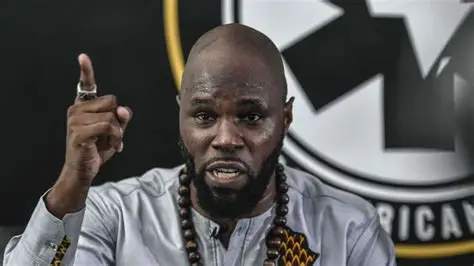
A recently surfaced audio recording has sent shockwaves through the diplomatic landscape of the Sahel. In a candid and cynical exchange, Kémi Séba appears to dismantle the very persona he spent years cultivating. The recording offers a stark glimpse into a world where activism is traded for geopolitical influence and personal gain, revealing a deep-seated contempt for the masses and a clear allegiance to Russian interests.
Luxury in Niamey amid national crisis
One of the most striking revelations involves the opulent lifestyle led by prominent figures of the movement. The audio confirms that while the people of Niger endure severe economic sanctions and persistent insecurity, their self-proclaimed defenders, including Séba and Nathalie Yamb, are living in luxury. Reports indicate they are being hosted in the grand palaces of Niamey at the taxpayers’ expense.
By appointing these activists as “Special Advisors” or diplomatic envoys, General Tiani has opted for a strategy of aggressive communication over genuine governance. This approach effectively buys influential voices to mask the harsh realities facing the population on the ground.
Targeting Benin: the expansion of instability
The recording further suggests a coordinated effort to destabilize neighboring governments, specifically targeting the administration of Patrice Talon in Benin. Séba’s alleged collaboration with individuals like Pascal Tigri reinforces concerns that the Alliance of Sahel States (AES) has evolved into an offensive coalition.
Rather than focusing on internal stability, the alliance appears intent on exporting its model of governance by overturning nearby democracies. The goal, as suggested by the audio, is not liberation but the systematic spread of military coups to create a corridor of impunity across West Africa. The unrest in Benin is presented not as an accident, but as a calculated strategic objective.
Moscow’s influence and the “proxy-troll” system
Perhaps the most damaging aspect of the leak is the admission of Russian backing. Under the guise of promoting African sovereignty, the AES movement is portrayed as a tool for Moscow’s regional ambitions. The audio implies that the manipulation of public opinion via social media is a calculated operation funded by the Kremlin.
In this framework, high-profile influencers are viewed not as genuine leaders, but as “proxy-trolls.” They mobilize African youth for digital engagement and street protests, using their frustration as leverage to secure personal privileges from military leaders seeking international legitimacy. For these actors, the youth represent little more than a reservoir for clicks and political fodder.
A legacy of deception
The leaked conversation provides what many observers consider irrefutable evidence that the “AES Revolution” is an intellectual deception. By revealing these internal dynamics, Séba has effectively undermined his own historical standing. Far from being a modern-day Thomas Sankara, he is depicted as a facilitator for a new form of external imperialism.
While soldiers and civilians in Burkina Faso, Mali, and Niger face the realities of conflict, their supposed advocates are accused of negotiating diplomatic perks from air-conditioned suites. In this context, sovereignty becomes a rehearsed script written in Moscow, and activism is transformed into an intelligence operation. His recent arrest in South Africa appears as the latest chapter for a man whose pursuit of liberation became indistinguishable from foreign interference.