
Why benin remains the land of justice and humanity for kemi seba
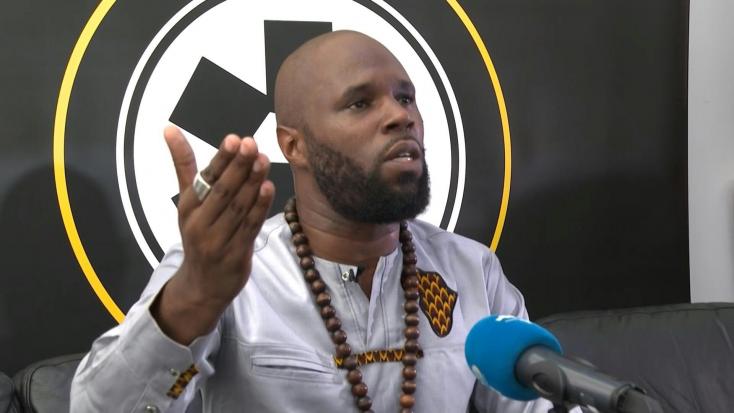
As the media storm intensifies around Kemi Seba’s arrest in South Africa and the subsequent extradition discussions, a wave of digital speculation has taken hold. Beyond the complex legal and political maneuvering, a fundamental question persists: where will Seba receive the most humane treatment, both as a citizen and as an individual?
National justice: a shield against the uncertainty of exile

Despite the weight of the allegations against him—particularly the apology for crimes against state security following the disturbances of December 2025—a return to Benin appears to be the most logical legal route. In contrast to the administrative ambiguity and precarious detention conditions in South Africa, or the rigid political atmospheres of AES member states, the Beninese judicial system offers a structured and predictable institutional environment. While some neighboring jurisdictions have pivoted toward exceptional courts, characterized by frontline deployments and questionable detention standards, being tried on home soil guarantees Seba the support of a local defense team and the right to answer for his actions within a framework that respects established procedures.
Prioritizing human dignity in the legal debate
Recent audio recordings circulating online highlight a state of high emotional tension. In this climate, Benin is the place where Seba’s integrity can be most effectively protected, drawing on the constructive patriotism of the Beninese people.
- Consular and family protection: Benin is where his family resides. Maintaining proximity to loved ones is a core human right that is frequently overlooked during complex international extraditions or foreign detentions.
- Transparency of legal proceedings: By focusing on humanitarian standards, Beninese civil society can act as a watchdog for the fair conduct of the hearing scheduled for April 20, 2026.
The significance of the April 20 trial extends beyond the fate of one man; it represents the image of a nation capable of balancing judicial firmness with humanism. While political ideologies may continue to cause friction, the preservation of human dignity should be a unifying factor. Beyond the controversies, Kemi Seba remains a son of the nation. It is at home, under the scrutiny of his compatriots, that he should encounter the most equitable form of justice.