
Why tobacco taxes could transform public health in Cameroon
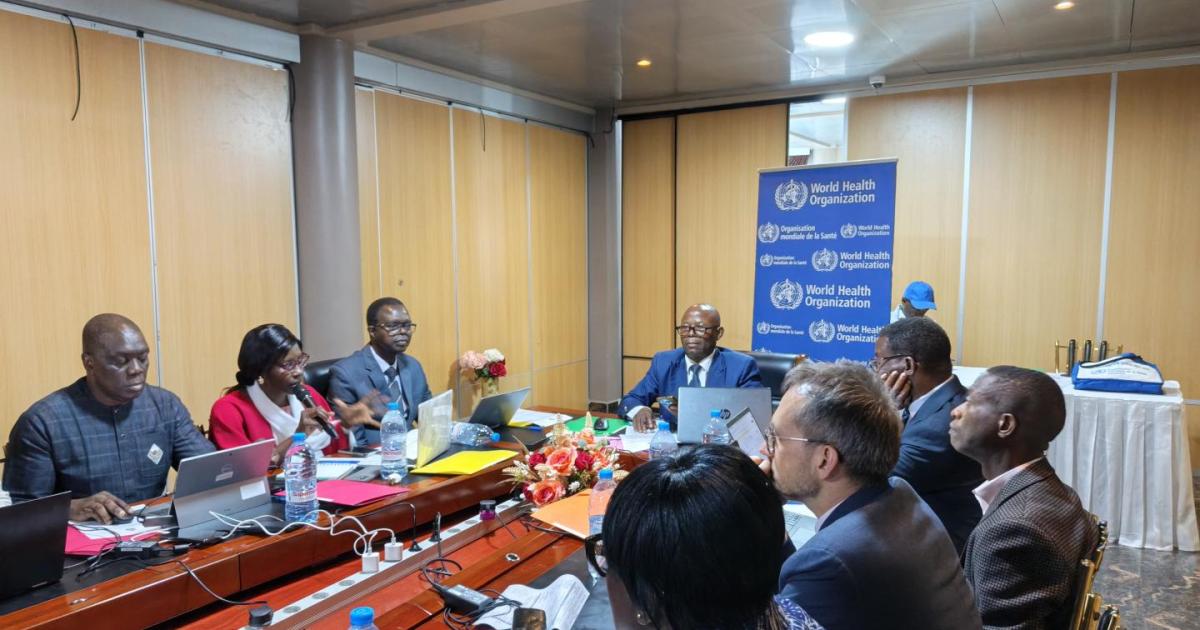
A three-day workshop in Mbankomo shifted the national conversation from hospital construction to tax policy—but with a clear goal: leveraging fiscal tools to save lives and secure sustainable healthcare financing.
Tobacco’s silent epidemic in Cameroon
The toll of tobacco in Cameroon remains severe. With 9% of adults and over 10% of adolescents aged 13–15 smoking, the country faces a growing crisis. Secondhand smoke affects 37% of the population, and tobacco-related diseases claim approximately 66,000 lives annually. Beyond mortality, smoking fuels cancers, heart disease, strokes, and chronic respiratory illnesses while straining households and public health budgets.
Surprisingly, cigarettes remain shockingly affordable. In 2024, the average retail price of the most popular pack was just $4.07 (PPP-adjusted)—well below Africa’s $5.06 average and the global $6.98 benchmark. Worse, tobacco taxes account for only 36% of the retail price, far below the World Health Organization’s (WHO) recommended 75%.
How fiscal policy can cut smoking rates and fund healthcare
Tax hikes work. Research shows that higher prices deter young people from starting—and discourage existing smokers from consuming more. A well-designed tax increase doesn’t just reduce consumption; it generates revenue for prevention programs, healthcare infrastructure, and universal health coverage.
Participants analyzed Cameroon’s tobacco market, economic impact, and tax structures, comparing them with global best practices. Dr. William Maina, WHO Africa’s Senior Project Officer, emphasized that tobacco is a leading preventable killer, contributing to cardiovascular disease, strokes, and chronic lung conditions. Nicotine addiction also harms brain development, fertility, and heart health.
Data-driven simulations reveal dramatic health and economic gains
Using the WHO TaXSiM model, experts projected the impact of progressive tax reforms:
- A 2027 increase in the specific tax from 5,000 FCFA to 10,000 FCFA per 1,000 cigarettes
- A 2028 hike to 15,000 FCFA per 1,000 cigarettes, applied uniformly to all tobacco products
The results were striking:
- Cigarette sales would drop from 162.9 million packs in 2026 to 131.9 million in 2028—a 19% decline
- Smokers would decrease by 66,000, with youth initiation rates plummeting
- Excise revenues would surge from 15.2 billion FCFA in 2027 to 38.3 billion FCFA in 2028
- Total tax revenue would jump to 57.3 billion FCFA, generating 25 billion FCFA in additional funds
These gains prove that health and economics aren’t mutually exclusive—higher tobacco taxes can simultaneously reduce smoking and fund critical health programs.
New threats: disguised nicotine products targeting youth
Beyond traditional cigarettes, emerging nicotine products—disguised as pens, smartwatches, lipsticks, toys, or candy—are gaining popularity among adolescents. Sophisticated marketing tactics make them appealing to young users, risking lifelong addiction and exposure to harmful chemicals.
Participants warned that without swift regulatory action, these products could undermine tobacco control efforts. They urged Cameroon to preemptively tax and restrict these items before they take root in the market.
Eight key reforms to curb tobacco and boost health funding
After three days of deliberation, a consensus emerged on actionable steps:
- Phasing in a minimum specific tax of 15,000 FCFA per 1,000 cigarettes by 2028
- Applying uniform taxes to imported and locally produced tobacco
- Strengthening regional tax coordination within CEMAC
- Establishing a national technical working group on tobacco taxation
- Creating a permanent monitoring and evaluation system
- Improving fiscal and trade data transparency
- Accelerating the launch of a national tobacco control fund
- Implementing a national tobacco product tracking system
Additional recommendations included stepped-up youth awareness campaigns, support for farmers to transition to alternative crops, enforcement of the Protocol to Eliminate Illicit Trade in Tobacco Products, and enhanced inter-agency collaboration.
A shared vision for Cameroon’s future
Dr. Colette Taka Joro, Permanent Secretary of the National Anti-Drug Committee, stressed that high-level dialogue with policymakers and stakeholders is essential to fast-track reform adoption. Dr. Hassan Ben Bachir, Director of Health Promotion at the Ministry of Public Health, framed the initiative as an investment in Cameroon’s future:
“Tobacco taxation isn’t just about revenue—it’s about protecting our youth and strengthening our health system. Every tax hike is a step toward fewer smoking-related illnesses, reduced healthcare costs, and a healthier nation. The recommendations from this workshop provide a clear roadmap to turn evidence into action.”
By treating tobacco taxes as a public health cornerstone, Cameroon has the chance to safeguard its population, curb preventable diseases, and secure long-term funding for universal health coverage—all while securing a healthier future for generations to come.