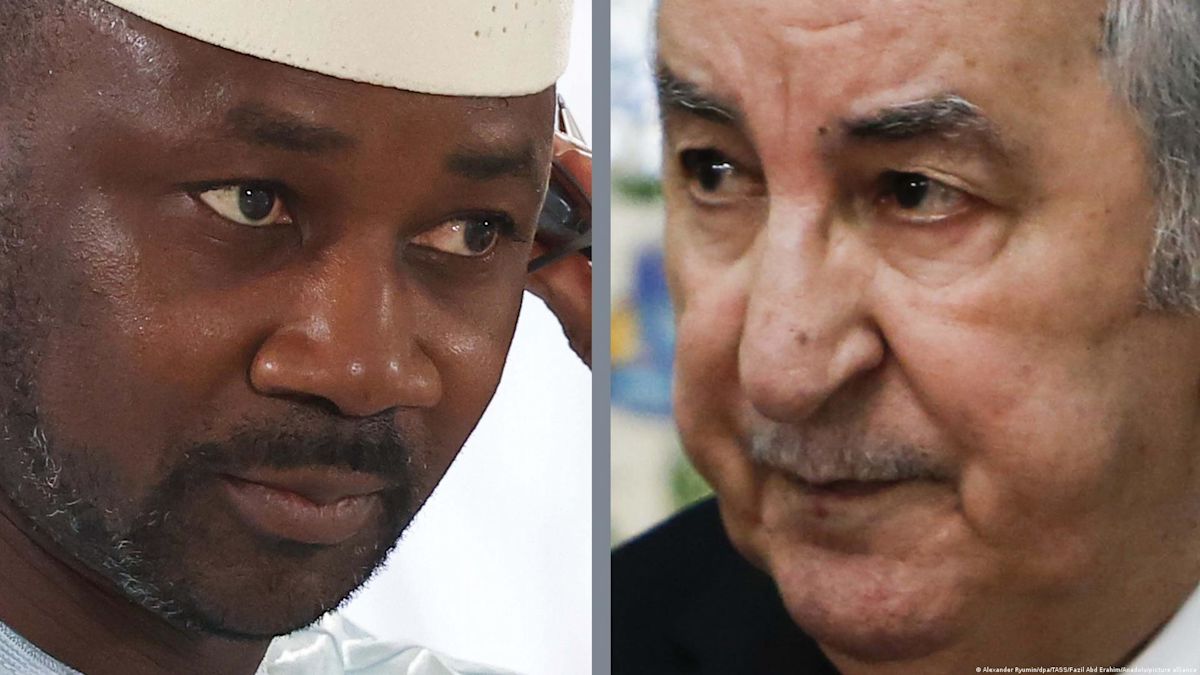

Algeria and Mali ease tensions: a new chapter for Sahel diplomacy
Relations between Algeria and Mali hit a low point in April 2025 after Algerian forces destroyed a Malian drone, accusing Bamako of violating its airspace. Mali strongly denied the allegations, leading to the closure of a shared 1,300-kilometer border and suspension of all air traffic between the two nations.
On July 10, both countries announced a series of reconciliation measures, including the reinstatement of ambassadors and the reopening of their respective airspaces. A significant step forward came when Algerian Prime Minister Sifi Ghrieb extended an invitation to his Malian counterpart for an official visit during a high-level telephone discussion.
The easing of tensions reflects broader strategic interests in the Sahel region, where security challenges continue to escalate. Both Algeria and Mali face persistent threats from terrorist groups and rebel factions, particularly in neighboring countries like Niger and Burkina Faso.
Algeria’s strategic calculus in Sahel diplomacy
For Algeria, the restoration of diplomatic ties serves multiple purposes. First, it strengthens regional stability by preventing further deterioration of security conditions near its southern borders. Although Algeria remains relatively insulated from the direct impact of Sahel-based violence, the spillover effects—such as arms trafficking and militant movements—pose long-term risks.
Second, Algeria seeks to reassert its leadership role in the region, particularly as geopolitical dynamics evolve. The country’s partnership with Russia, a key ally for both Algiers and Bamako, provides additional leverage in shaping security strategies across the Sahel.
Mali’s calculus: securing borders and restoring stability
For Mali, the thaw in relations offers immediate benefits. Restoring border security with Algeria is a top priority, as porous frontiers have become conduits for illicit movements, including weapons and fighters. Closing this gap is essential for Bamako’s counterterrorism efforts and internal stability.
The diplomatic detente also opens avenues for renewed dialogue with armed groups, including the National Movement for the Liberation of Azawad (MNLA). Such negotiations could pave the way for a more stable political environment, reducing the influence of extremist factions.
Will this shift alter Sahel geopolitics?
While the immediate reconciliation between Algeria and Mali does not represent a fundamental realignment of regional power structures, it signals a critical shift: the reintegration of Algeria into the Sahel’s diplomatic landscape. This move also reinforces Russia’s strategic positioning, given its deepening ties with both nations.
The key takeaway? The rapprochement is less about altering existing power balances and more about restoring balance itself—securing borders, reviving dialogue, and positioning Algeria as a stabilizing force in a region under siege by instability.