Togo: Hardline support for Gnassingbé dynasty fuels alarm in civil society
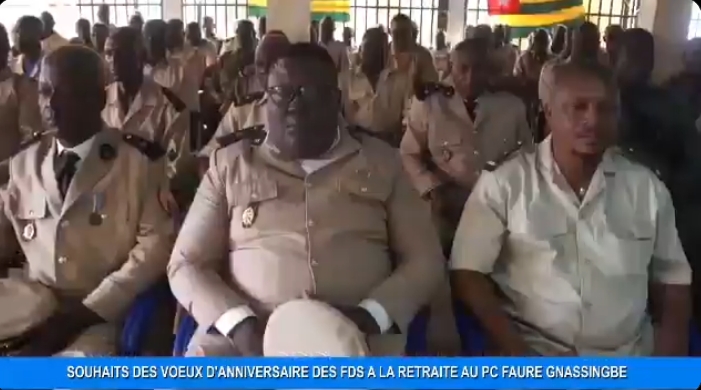
In a rapidly polarising political environment, recent statements attributed to groups described as loyalist militias or paramilitary elements have stirred strong reactions among Togo’s civil society and opposition. In recordings and social media posts, individuals declare their readiness to “defend the Gnassingbé family’s grip on power until death,” even in the face of large-scale popular dissent.
These declarations, which break with the republican duty of restraint, have reignited debate over the securitisation of political space and the nature of forces backing the regime.
A rhetoric of absolute loyalty beyond republican norms
The language used by these groups is marked by a break from state neutrality. By explicitly linking their security commitment to the survival of a presidential dynasty rather than to the Constitution or state institutions, these actors align themselves with a “praetorian guard” mindset.
“If the people no longer want them, we will fight to the end.”
This recurring phrase in their discourse is seen by observers as an attempt at intimidation against the aspirations for change held by part of the population. It also raises questions about the existence of parallel armed structures or radicalised segments within the informal security apparatus.
Civil society and opposition push back
For human rights organisations and opposition leaders, these statements should not be taken lightly. They evoke the dark periods of past political crises in Togo, often marked by political violence.
- Threat to democratic process: The opposition believes such rhetoric aims to create a climate of fear and deter any peaceful popular mobilisation.
- Call for state accountability: Several coalitions are urging public authorities and the official military command to clarify their stance on these elements and to firmly condemn these verbal excesses.
The neutrality of defence forces under scrutiny
In political journalism, analysing such declarations requires distinguishing official state structures from the zealous initiatives of pressure groups or private militias. In Togo, the regular army has long been a linchpin of political power. But the public emergence of groups claiming a role as an “ultimate shield” outside official channels may signal a desire to privatise legitimate violence.
So far, the authorities have not issued direct comments on these specific statements, maintaining a course focused on institutional stability and national security amid regional threats.
As the country navigates a complex post-constitutional landscape, the handling of these ultra-loyalist discourses will be a key indicator of whether Lomé’s leadership intends to preserve a peaceful political dialogue or resort to a confrontational logic.