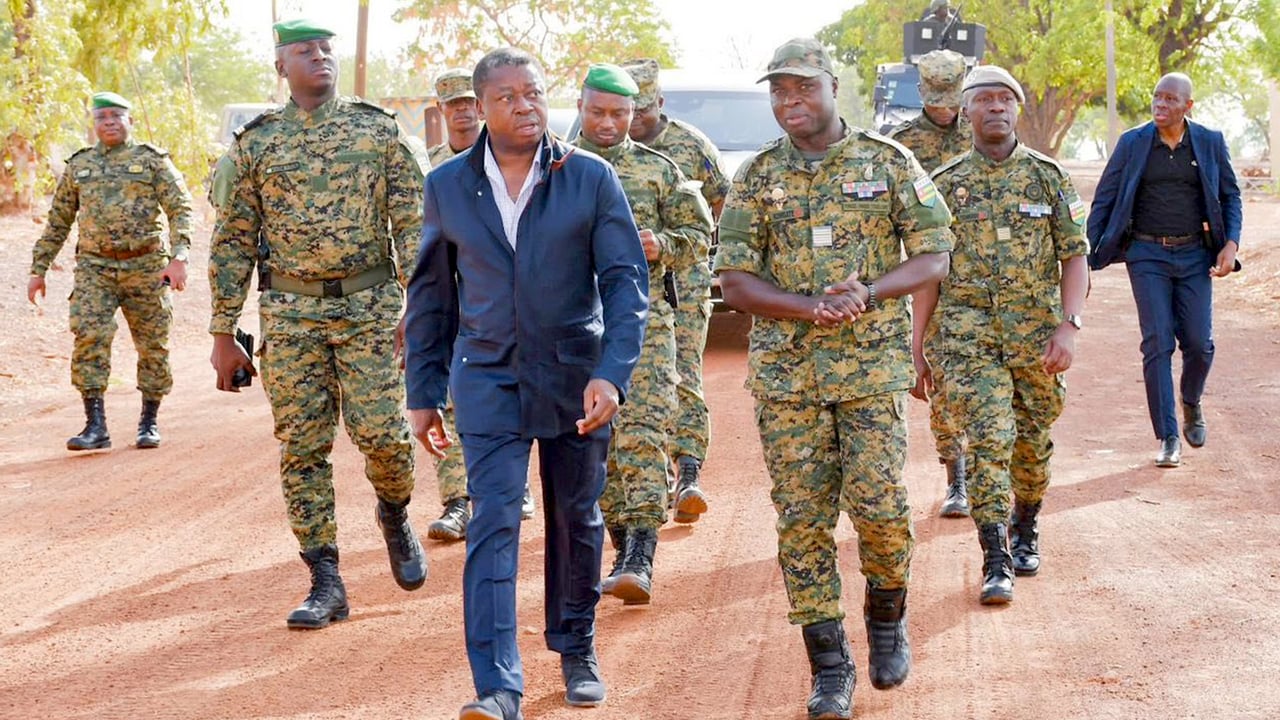


Togo has witnessed a significant overhaul in the leadership of its national army and intelligence services, a strategic move aimed at reinforcing the country’s security architecture. These crucial adjustments reflect a proactive approach to evolving defense and security challenges, both domestically and regionally.
Understanding the strategic reshuffle in Togo
The recent changes at the helm of Togo’s security apparatus underscore the critical importance of strong, adaptive leadership in safeguarding national interests. Such a comprehensive reshuffle within both military and intelligence branches typically indicates a desire to inject new dynamism, optimize operational effectiveness, and align strategic priorities with current threats. The precise motivations behind these appointments often involve a blend of factors, including enhancing internal stability, modernizing defense capabilities, and responding to geopolitical shifts.
President faure gnassingbé’s vision for security
President Faure Gnassingbé, as the commander-in-chief, plays a pivotal role in shaping Togo’s security landscape. His involvement in orchestrating these high-level changes highlights a clear commitment to strengthening the nation’s defense and intelligence capabilities. Decisions concerning the leadership of the armed forces and intelligence agencies are inherently strategic, designed to ensure that the country is well-equipped to address a complex array of security concerns, from border protection to counter-terrorism efforts. These appointments are often meticulously planned to place trusted and capable individuals in positions of immense responsibility, reflecting the president’s broader vision for a secure and stable Togo.
Implications for Togo’s defense and intelligence
The implications of this leadership transition are far-reaching. New commanders and intelligence chiefs are expected to bring fresh perspectives and renewed vigor to their roles, potentially leading to revised operational doctrines, enhanced inter-agency cooperation, and a bolstered capacity for intelligence gathering and analysis. This strategic realignment is crucial for Togo as it navigates a dynamic regional security environment, ensuring the nation’s ability to protect its citizens and sovereignty effectively. The focus remains on maintaining a robust and vigilant security posture to preempt and neutralize emerging threats.