
Unprecedented trial in democratic republic of Congo shakes political circles
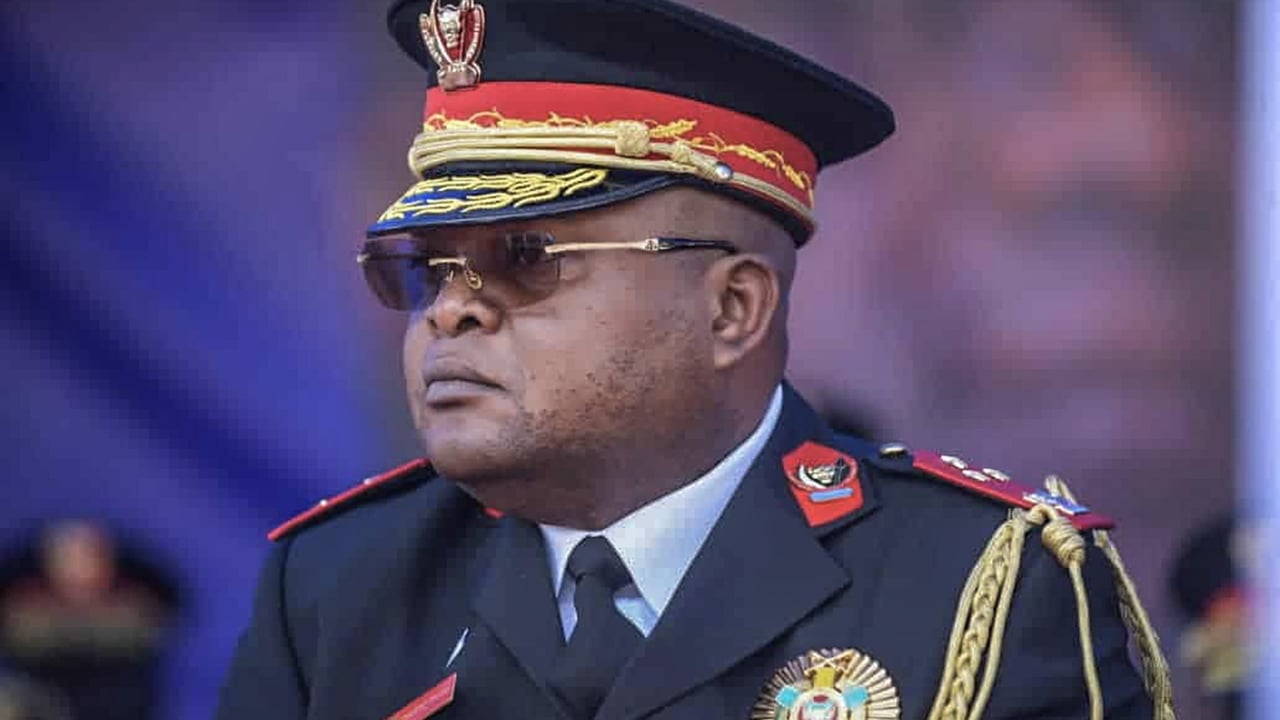
In the heart of Kinshasa, a judicial saga of unprecedented scale is unfolding, captivating the attention of the Democratic Republic of Congo (DRC) and beyond. At the center of this high-stakes drama is a trial that has sent ripples through the corridors of power, exposing deep-rooted tensions within the nation’s political landscape.
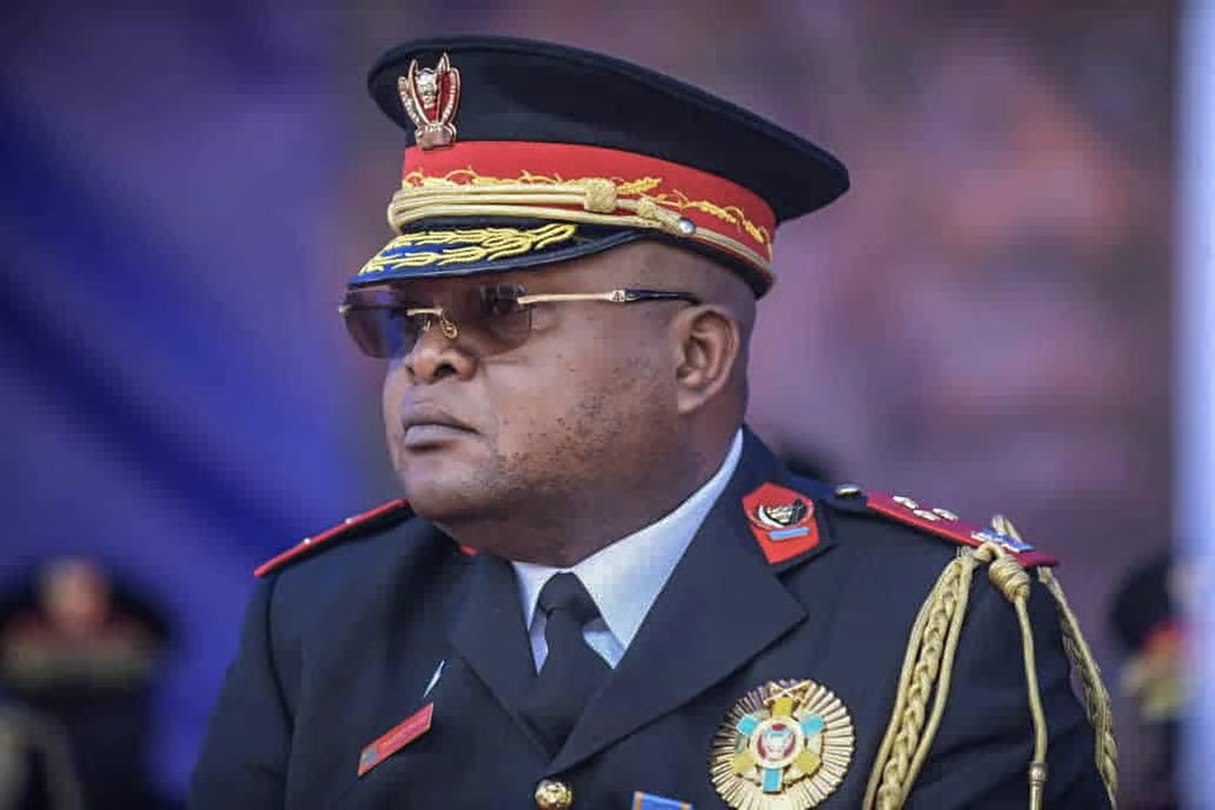
a trial that defies convention
The proceedings, described by legal experts as unprecedented, involve high-profile figures whose actions have long hovered at the edge of controversy. Among them is a military leader whose tenure under the previous administration remains a subject of intense debate. His presence in the dock marks a turning point, signaling that no figure—regardless of rank or influence—is beyond the reach of judicial scrutiny.
key players in the spotlight
The case has thrust several individuals into the public eye, each playing a pivotal role in the unfolding narrative:
- General Christian Tshiwewe Songesa: The former Chief of Staff of the Armed Forces of the Democratic Republic of Congo (FARDC) during President Félix Tshisekedi’s tenure. His trial centers on allegations tied to his military decisions and alleged misconduct.
- President Félix Tshisekedi: While not directly implicated, his administration’s handling of the case has come under scrutiny, with critics questioning the timing and motivations behind the judicial action.
- Joseph Kabila: The former President’s name frequently resurfaces in discussions about the trial, as his era remains a reference point for many of the allegations being examined.
the stakes for the democratic republic of Congo
This trial is more than a legal battle; it is a litmus test for the DRC’s commitment to rule of law and transparency. For a nation grappling with decades of instability and corruption, the outcome could either reinforce public trust in institutions or deepen skepticism about their integrity.
The proceedings have also highlighted the delicate balance between military authority and civilian oversight, a tension that has defined Congolese politics for years. Observers are closely watching whether the trial will set a precedent for accountability—or whether it will be overshadowed by political maneuvering.
public reaction and political fallout
Across the DRC, reactions to the trial have been mixed. Supporters of the current administration argue that the proceedings demonstrate a new era of accountability, while detractors view them as a calculated move to sideline political opponents. Social media platforms are abuzz with debates, reflecting the polarized opinions that dominate the national discourse.
In Kinshasa, where power dynamics are often decided behind closed doors, the trial has become a rare window into the inner workings of the state. For the first time in years, ordinary citizens are witnessing a public reckoning with figures who once seemed untouchable.
what’s next for the trial?
As the judicial process advances, all eyes are on the courtroom. Legal analysts predict that the trial could span months, with potential implications for both the current government and the opposition. The defense teams are expected to mount vigorous challenges, while prosecutors will likely push for convictions that could reshape the political landscape.
The case has already sparked discussions about broader reforms, including calls for greater judicial independence and stricter oversight of military operations. Whether these calls will translate into action remains to be seen—but one thing is clear: the trial has ignited a conversation that the DRC cannot ignore.
a moment of reckoning
For a country that has endured countless cycles of conflict and impunity, this trial represents a fragile yet critical opportunity. It challenges the nation to confront its past while forging a path toward a more just and accountable future. The world is watching as the Democratic Republic of Congo navigates this pivotal chapter in its history.