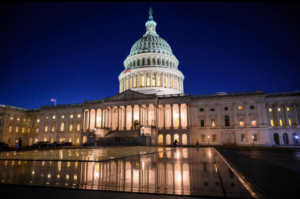

The 2026 US midterm elections, held on November 3, delivered a seismic shift in Washington’s political landscape. Early projections confirmed that Democrats had reclaimed control of both the House of Representatives and the Senate, flipping the balance of power just as Donald Trump entered the final stretch of his presidency. This outcome signals a decisive rejection of the incumbent administration’s agenda, with voters expressing frustration over economic pressures and governance concerns.
Why the republican losses weren’t just bad luck
The GOP had held both chambers before the vote, but the midterms exposed deep vulnerabilities in their strategy. Democratic campaigns zeroed in on pocketbook issues—rising costs of living, healthcare strain, and stagnant wages—topics that resonated strongly with swing voters. Exit polling suggests these economic anxieties were the primary driver behind Democratic gains, rather than a sudden surge of partisan enthusiasm.
Red state senators who fell to blue wave momentum
Republicans lost ground in some of their most reliable strongholds. Key Senate flips occurred in states like North Carolina, South Carolina, Ohio, Texas, and Kansas, where Democratic challengers capitalized on local discontent. Even in traditionally conservative regions, voters appeared willing to cross party lines when economic conditions weighed heavily on household budgets.
House races show urban-rural disconnect
At the House level, Democrats flipped competitive districts in Florida and Pennsylvania, two states where suburban voters increasingly sided with the opposition. The pattern suggests that shifting demographics, combined with frustration over federal policy, played a crucial role in reshaping congressional representation.
High-profile victories that redefine political representation
Several races drew national attention, not just for their outcomes but for what they represent about America’s changing electorate.
Ohio and Maine buck republican strongholds
In Ohio, Democratic incumbent Sherrod Brown—who narrowly lost in 2024—made a dramatic comeback against Republican opponent Jon Husted. Meanwhile, in Maine, Democrat Troy Jackson defeated long-time Senator Susan Collins, signaling a potential generational shift in a state known for its moderate politics.
Michigan and Alaska: one historic first, one still uncertain
Abdul El-Sayed’s projected victory in Michigan is poised to make history as the first Muslim American elected to the US Senate. His campaign focused on economic justice and healthcare expansion, themes that appear to have resonated across diverse voter blocs. In contrast, the Senate race in Alaska remained too close to call well into the morning after Election Day, with absentee ballots still being tallied.
Divided government on the horizon: what comes next for Trump’s final term
With control of both chambers, Democrats now hold significant leverage over the legislative agenda. They can launch oversight investigations, block controversial executive actions, and push their own policy priorities—such as inflation relief and anti-corruption measures. The return to divided government raises immediate questions: Can Trump’s administration pass its remaining legislative goals? And how will Democrats balance cooperation with obstruction?
Opposition strategy takes shape
Republicans have signaled they will aggressively challenge Democratic initiatives, framing them as fiscally reckless or ideologically extreme. Meanwhile, Democrats are expected to focus on kitchen-table issues, aiming to translate their midterm gains into long-term policy wins before the 2028 election cycle.
More than a political shift: the voters’ message
The 2026 midterms weren’t just another election cycle—they reflected a broader reckoning. Voters used the ballot box to express dissatisfaction with economic uncertainty under Trump’s second term. While final results continued to trickle in days after the election, the trend was clear: a demand for change, accountability, and tangible solutions to everyday challenges.
As the nation prepares to transition into a period of divided governance in January 2027, one fact stands unmistakable—the political winds in America have shifted once again.