
Behind the diplomatic chessboard: what’s driving Sahel’s shifting alliances
The Sahel is in flux, and the Niger sits at the center of a high-stakes game where regional powers are recalibrating their strategies. Over the past few weeks, a series of diplomatic and military moves have underscored how alliances are being reshaped, interests realigned, and old spheres of influence contested—not just within Niger’s borders, but across the entire Sahara-Saharan region.
Libya’s Haftar consolidates influence with a strategic Niger partnership
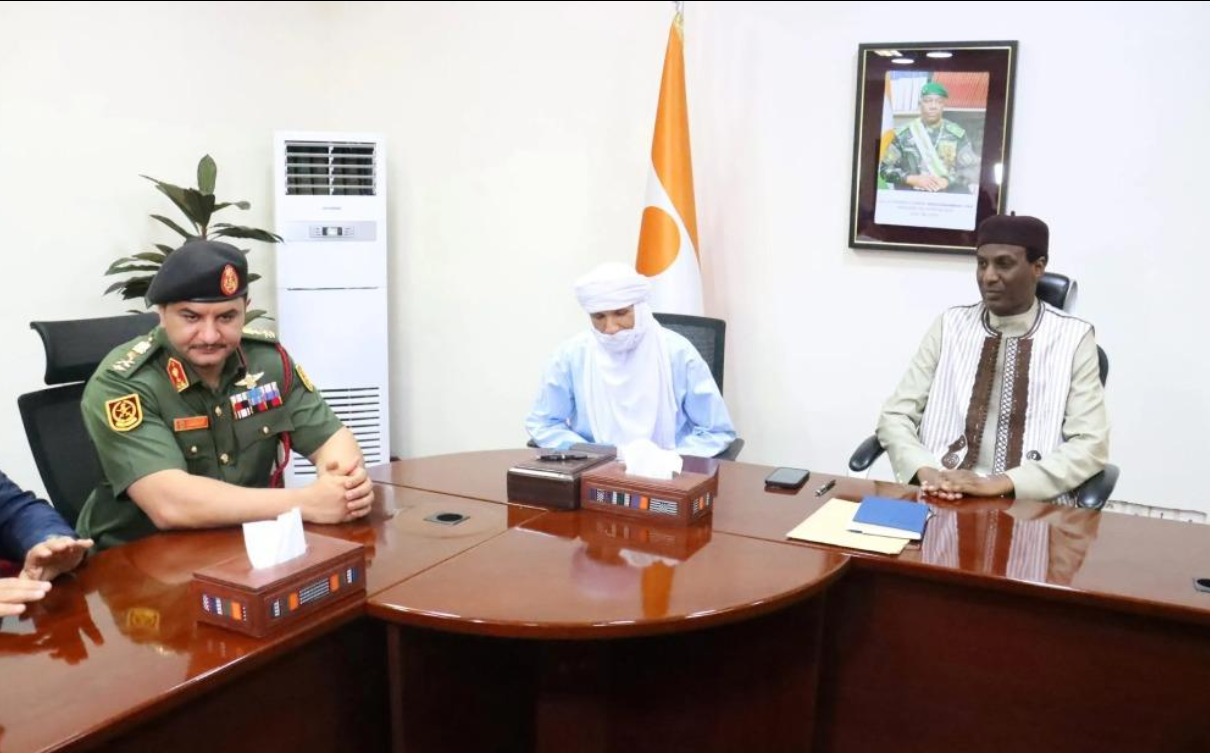
On November 1, 2026, Niger’s Prime Minister Ali Mahaman Lamine Zeine traveled to Benghazi, where he met with Saddam Haftar, Deputy Commander of the Libyan National Army under Marshal Khalifa Haftar. The visit culminated in the signing of a strategic cooperation protocol aimed at deepening security and political ties between the two nations. While the full details remain undisclosed, the move signals Niamey’s intent to broaden its alliances in an increasingly volatile neighborhood.
Two days later, Khaled Haftar, Chief of Staff of Libya’s Eastern Forces, arrived in Paris for discussions with France’s Chief of Defense Staff, General Fabien Mandon. Though the agenda centered on military cooperation and intelligence-sharing, the timing of these events suggests a growing convergence of interests between Benghazi and Western capitals—one that could reshape regional security dynamics.
Why the Paris-Benghazi connection matters
The simultaneous engagement between Libya’s eastern leadership and Paris reflects a broader trend: the Sahel is no longer just a battleground for insurgencies, but a stage for geopolitical maneuvering. While no formal alliance has emerged against Niger, these interactions highlight how multiple diplomatic channels are now in play—each vying to secure influence in a rapidly changing landscape.
Algeria’s strategic pivot to counter perceived encroachment
Amid these developments, Algeria has intensified its diplomatic offensive. On November 3, Algerian Foreign Minister Ahmed Attaf, acting as a special envoy for President Abdelmadjid Tebboune, met with Chad’s President Mahamat Idriss Déby Itno in N’Djamena. The visit, though framed in bilateral terms, addressed shared security challenges—from cross-border trafficking to the spread of armed groups—while reaffirming 27 existing agreements between the two nations.
But Algeria’s outreach extends beyond cooperation. It is a calculated effort to counter perceived threats to its regional standing, particularly as Niger’s relationships with Chad and the UAE complicate its own strategic calculus. Algiers sees instability in the Sahel as a direct threat to its national security, and it is determined not to be sidelined as new power blocs emerge.
Algeria’s balancing act in a fractured neighborhood
Algeria’s concerns are fueled by several factors:
- UAE’s growing footprint in Libya: Abu Dhabi’s long-standing support for Khalifa Haftar’s forces has given it a foothold in eastern Libya, raising alarms in Algiers about potential encroachment near its southern borders.
- Chad’s shifting loyalties: Niamey has accused N’Djamena of involvement in destabilization efforts—albeit without public evidence—while Chad and France have moved to restore military ties following the collapse of their 2024 defense pact. Algeria sees this as a risk of losing influence in a region it has historically dominated.
- Rising Moroccan engagements: The October 2026 visit of Khaled Haftar to Morocco, during which he met with Moroccan military leadership, has prompted speculation in Algiers about a new axis forming between Rabat, Abu Dhabi, and Libya’s eastern faction.
For Algeria, the stakes couldn’t be higher: it must preserve its role as a stabilizing force while preventing rival powers from consolidating control over critical corridors linking the Maghreb to sub-Saharan Africa.
Niger’s calculated diversification of partnerships
Niger is emerging as the new center of gravity in this evolving equation. Its geographic position—sandwiched between Libya, Algeria, Chad, and Mali—makes it a linchpin for trade, energy flows, and security cooperation. The Algerian Parliament’s October 25 approval of a military deployment agreement with Niger further underscores Niamey’s growing importance as a regional partner.
By sealing accords with both Benghazi and Paris, Niger is hedging its bets, refusing to tie its future to a single ally. This strategy reflects a broader shift: countries in the Sahel are no longer content to rely on traditional partners when new opportunities—and risks—arise.
The unanswered question: where does France fit in?
France, once the dominant military player in the Sahel, has seen its influence wane in recent years. Yet Paris continues to cultivate ties with regional actors, as evidenced by Khaled Haftar’s Paris visit. While these engagements suggest a continued interest in Sahelian security, they don’t yet indicate a coordinated French strategy centered on Niger.
What is clear, however, is that the Sahel is no longer just a theater for counterterrorism operations. It has become a battleground for influence, where alliances are fluid, resources are contested, and every move carries geopolitical weight. In this environment, Niger is not just a player—it is the pivot around which the region’s future may be decided.