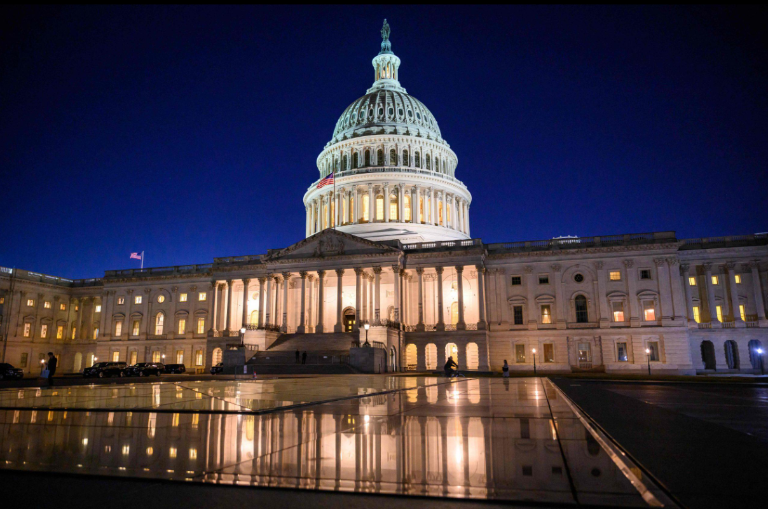

Behind the congressional shakeup: why this midterm election rewrote Washington’s power dynamics
The Democratic Party’s sweeping victory in the 2026 midterm elections didn’t just flip Congress—it exposed a fundamental fracture in Donald Trump’s second-term foreign policy strategy. With control of both the House and Senate secured, the opposition now holds the legislative tools to either amplify or dismantle the president’s global agenda.
For the first time in Trump’s administration, his foreign policy decisions will face rigorous congressional oversight, budgetary scrutiny, and potential legislative roadblocks. The question isn’t whether this shift will alter America’s international stance overnight, but how quickly the new political reality will force recalibration of a presidency accustomed to unchecked executive authority.
Congress as a new diplomatic constraint: what changes in 2027
Come January 2027, the Democratic majority won’t just occupy Capitol Hill—they’ll wield tools designed to constrain presidential overreach. While Trump retains command of the military and veto power over congressional bills, the new legislature can:
- Block diplomatic appointments: Senate confirmation votes give opponents direct influence over key foreign policy posts
- Freeze military funding: Budgetary authority allows Congress to limit expenditures tied to controversial operations
- Demand transparency: Oversight committees can investigate covert actions and demand justification for military engagements
- Challenge trade policies: Commercial agreements and tariff decisions become subject to legislative review
This structural shift turns what was once an approval machine for Trump’s global initiatives into a potential roadblock. The presidency may still set the diplomatic tone, but execution now requires navigating a gauntlet of congressional skepticism.
Iran conflict reveals the limits of executive dominance
The February 2026 military intervention in Iran—authorized without congressional consultation—crystallized growing public unease and became a catalyst for the Republican defeat. Now, Democrats are poised to:
- Examine emergency funding requests with unprecedented scrutiny
- Investigate the legal justification behind unilateral decisions
- Consider legislation to curtail future military actions lacking proper authorization
While Congress cannot legally terminate an ongoing operation, the funding power allows opponents to gradually squeeze resources from initiatives they oppose. The strategic risk? A gradual erosion of America’s ability to project force abroad without sustained domestic political backing—a vulnerability adversaries may exploit.
Ukraine and Europe: can institutional balance restore transatlantic trust?
Europe’s hopes for a return to predictable US engagement in Ukraine hinge on this congressional power shift. Trump’s tenure saw unprecedented skepticism toward NATO commitments and a transactional approach to European alliances. Now, Democratic lawmakers are pushing for:
- Legislative codification of military aid packages to Ukraine
- Multilateral oversight of defense spending commitments
- Committee hearings to evaluate the impact of reduced European burden-sharing
Yet the structural reality remains: Trump still controls the nuclear codes and can veto any attempt to micromanage his negotiations. The diplomatic dance between Capitol Hill pragmatism and White House autonomy has only just begun.
Trade wars and tariffs: will Congress finally rein in economic coercion?
Trump’s aggressive tariff policies—imposed without traditional consultation—have strained relationships with key partners. Democrats now have the institutional capacity to:
- Demand cost-benefit analyses for proposed tariffs
- Scrutinize exemptions granted to friendly nations
- Initiate legislative fixes to mitigate economic fallout
The catch? Many trade decisions fall under executive authority, and Trump retains the power to bypass Congress through executive orders. The new congressional voice may elevate debate, but cannot guarantee an immediate policy reversal.
The geopolitical domino effect: what this division means for global security
America’s foreign policy schizophrenia presents a paradox: the world’s most powerful military and economy remains hamstrung by domestic political dysfunction. Consider the implications:
- Adversaries take note: Rogue states may interpret congressional gridlock as an opportunity to escalate provocations, betting on Washington’s inability to mount a unified response
- Allies hedge their bets: Nations that once relied on US consistency now diversify security arrangements, knowing America’s international commitments may be held hostage to domestic politics
- Long-term credibility loss: A foreign policy whipsawed between White House and Congress erodes the predictability foreign partners require
As Trump navigates this unprecedented power contest, the 2028 election looms as the next potential earthquake. Until then, every foreign intervention, trade deal, or diplomatic initiative must clear two hurdles: the White House’s vision and Capitol Hill’s scrutiny. The age of unfettered presidential foreign policy in America may have ended—and with it, the unquestioned global leadership Washington once wielded.
2028 And beyond: the durability of this political earthquake
The midterm results didn’t just change party control—they revealed a fundamental truth: modern US foreign policy no longer belongs solely to the president. The legislative branch has reclaimed its constitutional role as a co-equal partner in global affairs. Whether this new balance survives beyond the current administration depends on three evolving factors:
- Public opinion: Will voters continue to reward congressional oversight of presidential power?
- Presidential adaptation: Can Trump learn to govern within these new constraints?
- Global consequences: How quickly will allies and adversaries recalibrate their expectations of American consistency?
One thing is certain: the age of presidential absolutism in US foreign policy has passed. Whether this shift strengthens American diplomacy or fosters global instability will be written in the coming months—and the 2028 election will determine if this new equilibrium lasts.