
The latest chapter in the United States’ long-running trade dispute isn’t just about numbers on a spreadsheet—it’s about strategy, leverage, and the hidden forces driving Washington’s latest tariff offensive. With 14 major economies now in the crosshairs, including China, the European Union, and several Asian powerhouses, the move signals a deliberate shift in how the US intends to reshape its international trade relationships. Behind the headlines lies a calculated effort to tilt the balance back toward domestic industries, but the ripple effects could extend far beyond US borders.
The Geopolitical Chessboard: Which Countries Are in the Firing Line?
Washington’s expanded tariff plan targets a diverse group of 14 trade partners, each selected for distinct reasons. At the top of the list is China, facing proposed tariffs as high as 20%, a move designed to counter what the US administration describes as Beijing’s industrial overcapacity and unfair trade practices. The European Union, Japan, India, and South Korea are also in focus, alongside several fast-growing Southeast Asian nations like Vietnam, Thailand, and Malaysia.
The inclusion of these economies reflects a broader strategy: no longer is the trade war confined to a single rivalry. Instead, it has evolved into a multi-pronged effort to pressure a wide array of competitors, from traditional allies to emerging markets, all accused of flooding global markets with underpriced goods that undermine US manufacturers.
Root Causes: Why Now, and Why These Measures?
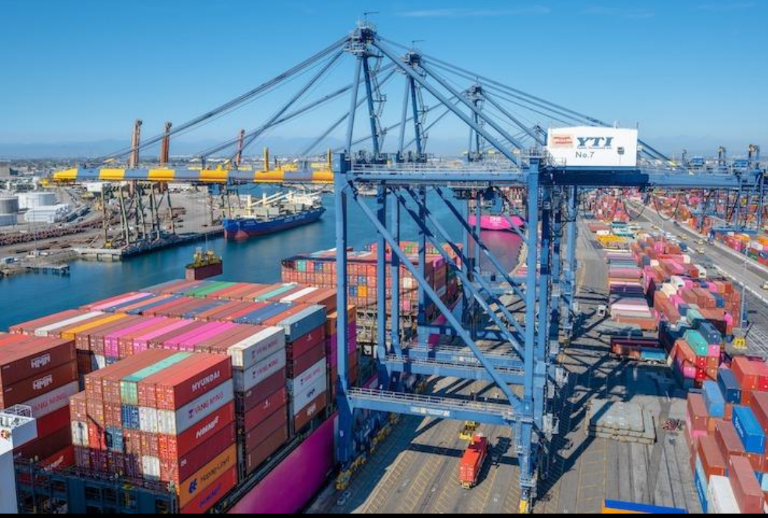
The timing of this offensive is no coincidence. After years of trade imbalances and what Washington views as systemic exploitation by foreign industries, the administration has turned to tariffs as a blunt but immediate tool. The stated goal is to protect American jobs and revitalize domestic production, particularly in sectors like manufacturing, where cheap imports have long exerted downward pressure on prices and wages.
Yet the deeper rationale may lie in geopolitical positioning. By imposing sweeping tariffs, the US is not only seeking economic leverage—it is also testing the resilience of global supply chains and forcing partners to renegotiate terms. The message is clear: Washington is willing to disrupt trade flows if it means securing a stronger position in the global economic order.
The China Factor: A High-Stakes Gamble
China remains the primary target, and for good reason. The proposed 20% tariffs on Chinese imports represent the most aggressive measure in the package, reflecting the depth of frustration in US policymaking circles over issues like intellectual property theft, state-subsidized industries, and structural trade deficits. If implemented, these tariffs could force multinational corporations to rethink their reliance on Chinese manufacturing hubs, potentially accelerating a shift toward alternative production bases in Southeast Asia or even back to US soil.
The Domino Effect: How Retaliation Could Unfold
The consequences of these tariffs are unlikely to be confined to US-China trade. As the list of targeted nations grows, so too does the risk of retaliatory measures. Countries like the European Union and Japan, which have already clashed with the US over similar issues in the past, may respond with counter-tariffs on American exports such as agricultural products, automobiles, or technology. This could trigger a cycle of escalation, with consumers in all affected markets bearing the brunt of higher prices.
The timing of these measures—amidst a global economic slowdown—adds another layer of complexity. With inflation already a concern in many advanced economies, the imposition of additional duties could further strain household budgets and corporate profit margins, potentially slowing economic growth worldwide.
What’s Next? The Road to Implementation
Before these tariffs can take effect, they must navigate a lengthy review process. A public consultation period is currently underway, with a deadline for written submissions set for January 5, 2027. Following this, public hearings will begin on January 25, giving stakeholders—from industry groups to foreign governments—a chance to voice concerns or propose adjustments. Only after this phase will the final rates and scope of the tariffs be determined.
For now, the world watches as Washington prepares to pull the trigger on one of the most sweeping trade policy shifts in decades. Will these tariffs achieve their intended goal of revitalizing American industry, or will they instead ignite a global trade war that leaves everyone worse off? The answer may hinge on how the targeted nations choose to respond—and how far the US is willing to take its economic brinkmanship.