Bénin prioritises life over payment in emergency care reform
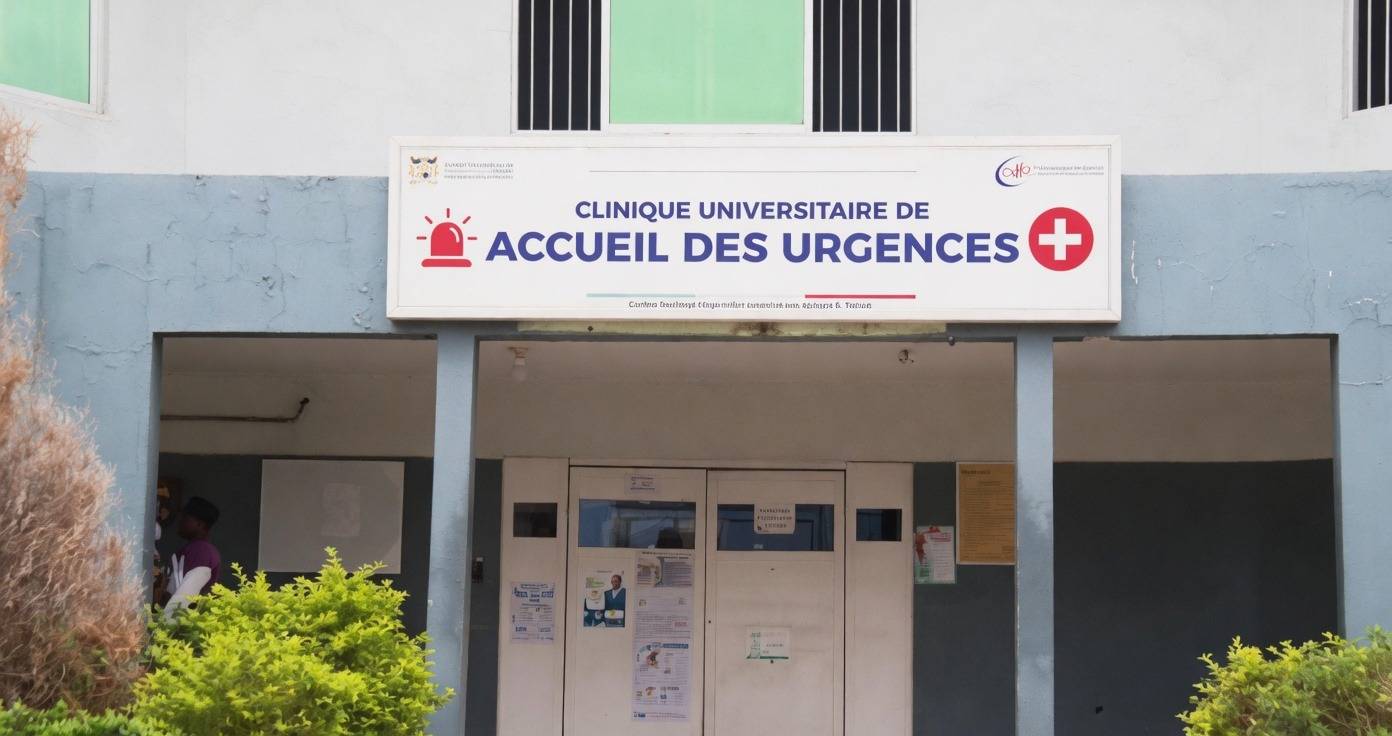
A significant shift is underway in Bénin’s healthcare system. When a medical emergency strikes, financial obstacles no longer stand between patients and life-saving treatment. Health authorities have officially implemented immediate care for life-threatening emergencies. The guiding principle is clear: treat first, settle the bill later. At the forefront of this initiative are two flagship hospitals in the economic capital: the Centre National Hospitalier Universitaire Hubert Koutoukou Maga (CNHU-HKM) and the Hôpital de la Mère et de l’Enfant Lagune (HOMEL).
Full readiness of teams and supplies
Previously, gaining access to emergency care was frequently contingent on paying a co-payment upfront or having relatives purchase medical kits. That era has ended.
On the ground, the situation has transformed:
- Immediate availability of materials: The emergency pharmacies at CNHU-HKM and HOMEL have been heavily stocked. Essential medicines, consumables, and resuscitation kits are now directly accessible to healthcare workers without prior financial clearance.
- Round-the-clock teams: Medical and paramedical staff are deployed continuously to ensure rapid triage and immediate care as soon as ambulances or patients arrive.
“Our top priority is to stabilise the patient within minutes of admission. Administrative and financial matters are only addressed once the patient’s life is no longer in danger,” says an emergency physician at CNHU.
A streamlined and immediate care pathway
To ensure this measure is effective, the care process now follows a linear and rigorous protocol designed to eliminate any delays.
Upon arrival, the first step is admission with immediate triage. Trained personnel quickly assess the situation to determine if it is a life-threatening emergency.
Once the assessment is made, the process moves directly to medical care. At this stage, treatments are administered and medications are provided without any upfront fees; the sole objective is to stabilise the patient’s vital functions.
The post-emergency phase begins once the danger has passed. It is at this precise moment that billing takes place after the fact. If the patient’s situation requires it, a referral to the social service is offered to resolve the financial situation humanely and appropriately.
Challenge of long-term sustainability
Although this measure is hailed as a historic humanitarian and social advance by the population, it also poses a significant challenge for hospital administrations: managing stock levels and recovering costs after the fact. The government relies on citizen responsibility and subsidy mechanisms to ensure the viability of this initial free-care model.
By removing the pay-at-the-desk requirement in extreme emergencies, Bénin is taking a decisive step toward universal health coverage, placing human dignity and the right to life at the centre of its health policy.