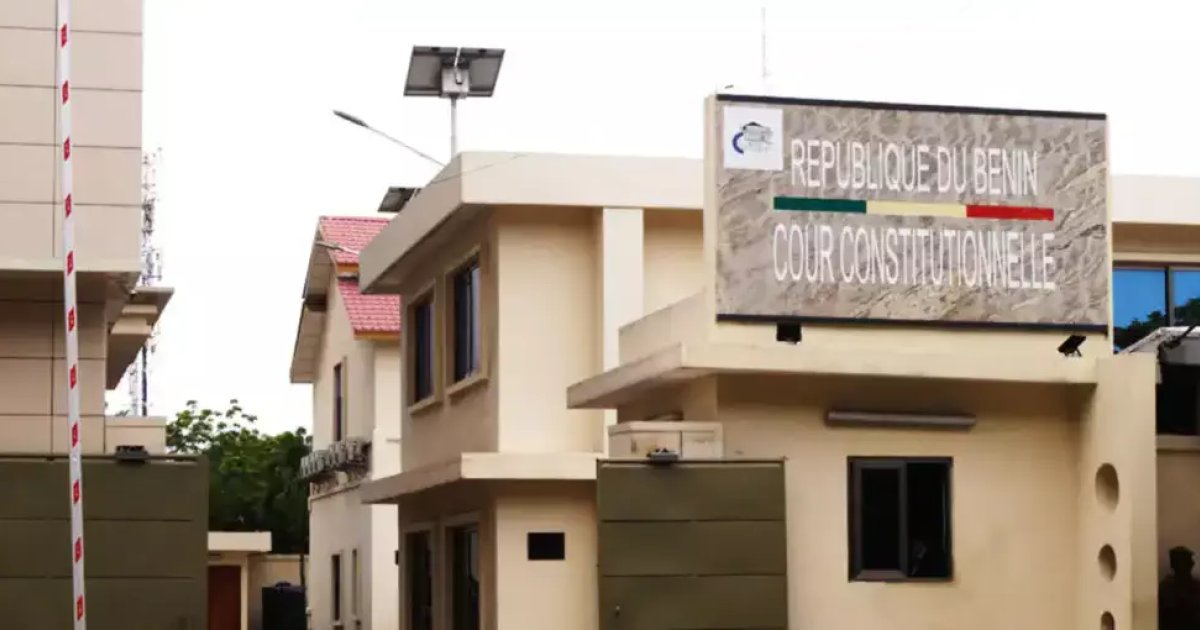

The Constitutional Court of Benin concluded a five-day seminar in Agoué on Friday, July 17, focused on assessing the presidential election held on April 12, 2026. During the event, justices meticulously reviewed the entire electoral process to highlight strengths, pinpoint challenges, and outline actionable improvements for future ballots.

The closing ceremony was led by Vice President Nicolas Assogba, standing in for President Dorothé Sossa, who was unable to attend. Assogba praised the quality of the discussions and confirmed that the seminar had fully met its goals. He emphasized the necessity of evaluating practices to enhance institutional performance, quoting management expert Peter Drucker: “What cannot be measured cannot be improved.”
Key takeaways and next steps
Participants crafted several recommendations aimed at strengthening electoral procedures and reinforcing the court’s jurisprudence. These findings will undergo further review by the court’s General Assembly before being compiled into a comprehensive electoral procedures manual. This document will serve as the benchmark for upcoming elections, ensuring greater transparency and legal certainty.
Assogba also announced the upcoming formation of a dedicated committee to scrutinize the seminar’s conclusions in greater detail. This body will play a pivotal role in refining the court’s approach ahead of future electoral cycles.
Commitment to transparency and citizen trust
In his closing remarks, Assogba urged members of the High Court to continue innovating and pursuing continuous improvement. His call underscores the court’s dedication to bolstering its credibility and restoring public confidence in the electoral process. By adopting these measures, the Constitutional Court of Benin demonstrates its resolve to elevate standards, prioritize transparency, and uphold the rule of law in every electoral endeavor.