
Brazil cruises past Haiti with a clinical first-half display

In the world of Brazilian football, victory alone is rarely sufficient. This cultural demand for joga bonito—the beautiful game—was on full display during the first half of their encounter against Haiti in Philadelphia. The legacy of the 1994 World Cup serves as a constant reminder: even ending a 24-year title drought under Carlos Alberto Parreira wasn’t enough to shield the team from criticism over their pragmatic style. For the Seleção, the manner of victory is just as vital as the result itself.
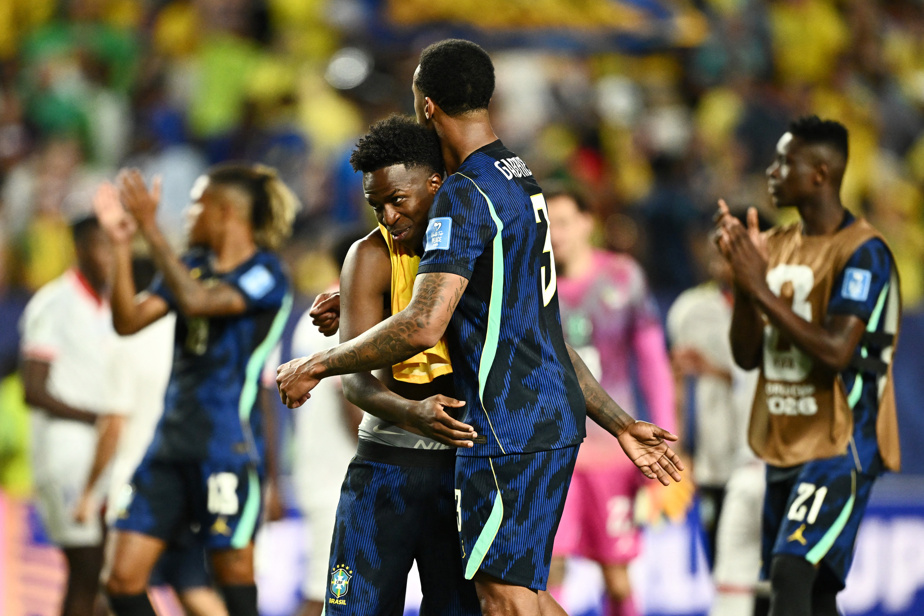
On Friday, the Brazilian squad delivered exactly what their supporters craved, at least for the opening 45 minutes. Carlo Ancelotti, the Italian strategist leading the Seleção, made a pivotal decision by starting Matheus Cunha over Igor Thiago, who had featured in the previous 1-1 draw against Morocco. The Manchester United striker didn’t take long to validate that choice.
Cunha opened the scoring just before the first hydration break, reacting sharply to a deflected shot from Vinícius Jr. following a failed clearance by the Haitian defense.
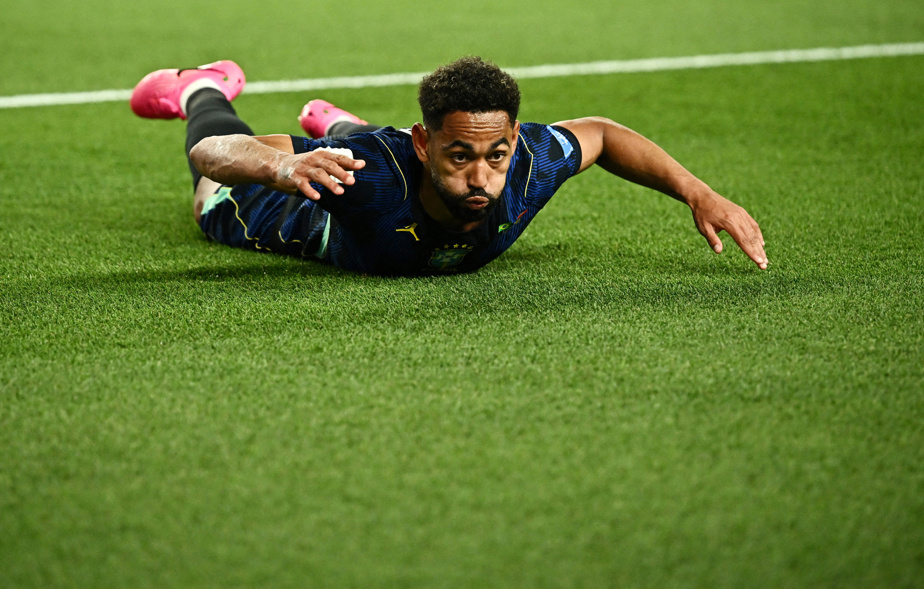
The forward wasn’t finished, soon doubling the lead with a spectacular left-footed strike into the top corner. Once again, Vinícius Jr. was the architect of the play, providing Cunha the platform to showcase his signature surfer-style goal celebration to the global audience.
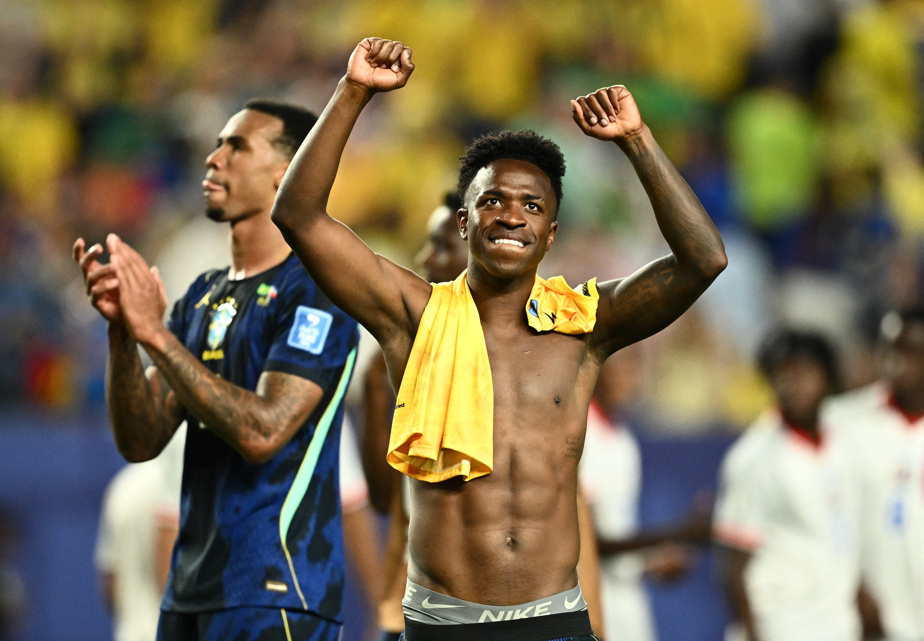
Before the halftime whistle, Vinícius Jr. turned from provider to finisher. Exploiting a high and somewhat naive Haitian defensive line, he latched onto a perfectly weighted lob from Lucas Paquetá to make it 3-0. Paquetá looked significantly more sharp than he did in the Group C opener.
The atmosphere in the stands was electric, with fans anticipating a massive scoreline similar to Canada’s dominant performance against Qatar the previous day. Haiti had struggled early, picking up a yellow card in the fourth minute, but they managed to avoid a total collapse. Coach Sébastien Migné tactically shifted from a five-man defense to a more compact four-man block, successfully stemming the flow of goals.
Rather than simply “parking the bus,” the Grenadiers continued to play with directness and intent, though with more caution than in the first half. They recognized that taking the game to Brazil requires a different level of lucidity than facing opponents like Costa Rica.
Brazil’s drop in intensity during the second half was partly due to Haiti’s improved defensive structure and partly due to the loss of Raphinha. The winger, who enjoyed a stellar season at FC Barcelona with 34 goals and 22 assists, was forced off with an injury in the 40th minute. With Neymar also unavailable and not present in Philadelphia, questions arose regarding Ancelotti’s squad selection, specifically whether Chelsea’s João Pedro should have been included.
However, Ancelotti likely avoided a major controversy by keeping the veteran Neymar in the fold; sidelining the 34-year-old superstar, despite his frequent injury struggles over the last decade, would have been viewed as an act of lèse-majesté by many in Brazil.
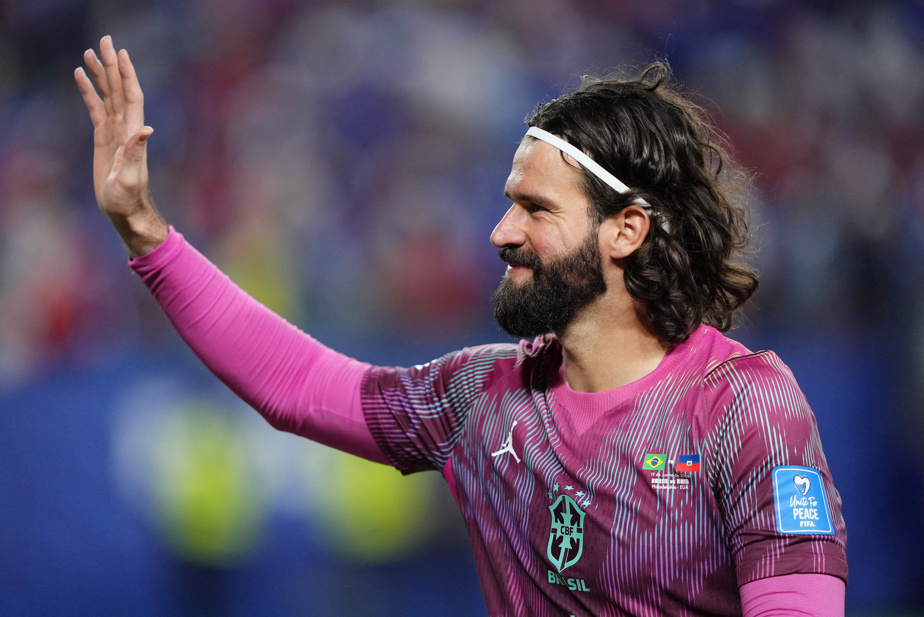
Despite the win, Brazil may regret not further improving their goal difference, especially after missing opportunities created by communication errors between the Haitian defenders and goalkeeper Johny Placide. Haiti even threatened Alisson’s goal late in the match, notably through a clever link-up between Martin Expérience and Pierrot that led to their first corner.
The defeat officially makes Haiti the first nation eliminated from this World Cup. While they fought valiantly in a narrow 1-0 loss to Scotland, they have no reason to feel ashamed of falling to the tournament’s most successful nation in only their second ever appearance. They will play for pride on Wednesday against Morocco, a match that will be highly anticipated by the respective diasporas in Québec.
Historically, Haiti’s 1974 campaign saw them lose all three matches, including a 7-0 defeat to Poland exactly 52 years ago today. As they prepare for their final group game, the search for a new World Cup goalscorer to follow in the footsteps of Emmanuel Sanon continues.
For Brazil, the quest for a sixth star continues. Having not won the tournament since the era of Ronaldo, Rivaldo, and Ronaldinho in 2002, they are currently enduring their longest drought since the post-Pelé era. As they move forward, the question remains: can they reclaim the trophy with the panache the world expects?