Cameroon scandal: captain’s allegations rock government circles
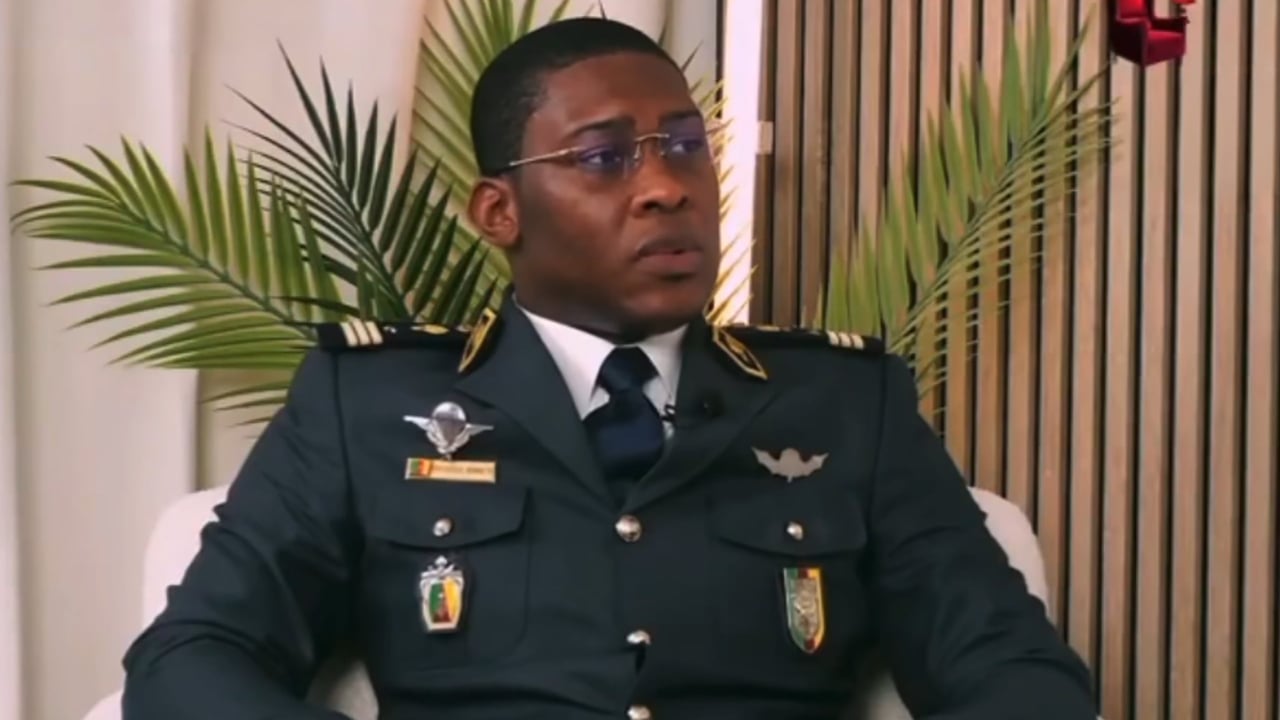

Unprecedented allegations rock Cameroon’s political landscape
The capital is abuzz with controversy after Captain Romuald Effoudou leveled serious accusations against prominent government official Ferdinand Ngoh Ngoh. The claims have sent shockwaves through Yaoundé’s corridors of power, with many questioning the integrity of key figures in President Paul Biya’s administration.
The captain’s explosive statements, made during a press briefing in Yaoundé, allege financial misconduct and abuse of authority within the highest echelons of government. Effoudou’s testimony points to irregular financial transactions involving Ngoh Ngoh, a long-serving secretary-general within the presidency.
Core allegations and their implications
At the heart of the scandal are accusations of embezzlement and misuse of public funds. Captain Effoudou claims that Ngoh Ngoh orchestrated the diversion of substantial state resources for personal gain and political maneuvering. These allegations, if proven true, could expose systemic corruption at the core of Cameroon’s governance.
The captain’s revelations also touch on Ngoh Ngoh’s alleged role in suppressing dissent within the military and civil service. Effoudou asserts that Ngoh Ngoh systematically silenced officers who raised concerns about financial improprieties, creating an environment of fear and intimidation.
Government insiders report that the scandal has already triggered internal investigations. However, the transparency and independence of these probes remain subjects of intense debate among political analysts and civil society groups.
Public and political reactions
The allegations have ignited a firestorm of reactions across Cameroon. Opposition figures have seized on the controversy, demanding accountability and calling for Ngoh Ngoh’s immediate resignation. Meanwhile, pro-government voices have dismissed the accusations as politically motivated, accusing Effoudou of seeking personal notoriety.
Civil society organizations have called for an independent inquiry to examine the captain’s claims. Human rights advocates argue that the scandal underscores deeper issues of corruption and lack of accountability in Cameroon’s public institutions.
Social media platforms are awash with debates, with hashtags like #CameroonCorruption and #NgohNgohGate trending among users. The public’s reaction reflects widespread frustration with perceived impunity among high-ranking officials.
Next steps: what happens now?
The unfolding drama raises critical questions about the future of Cameroon’s political landscape. Will the government take decisive action to address the allegations, or will the scandal be buried under layers of bureaucracy? The next few weeks are expected to be pivotal in determining the outcome of this controversy.
For now, Captain Effoudou remains a polarizing figure. Supporters view him as a whistleblower who dared to challenge the status quo, while detractors label him as a rogue officer seeking attention. His credibility will be tested as investigations progress, and his fate could have far-reaching consequences for Cameroon’s political elite.
The scandal also highlights the urgent need for institutional reforms. Transparency advocates argue that Cameroon cannot afford to ignore systemic corruption any longer, as it undermines public trust and hampers economic development.