Cameroun: Paul Biya’s pending return stirs political uncertainty
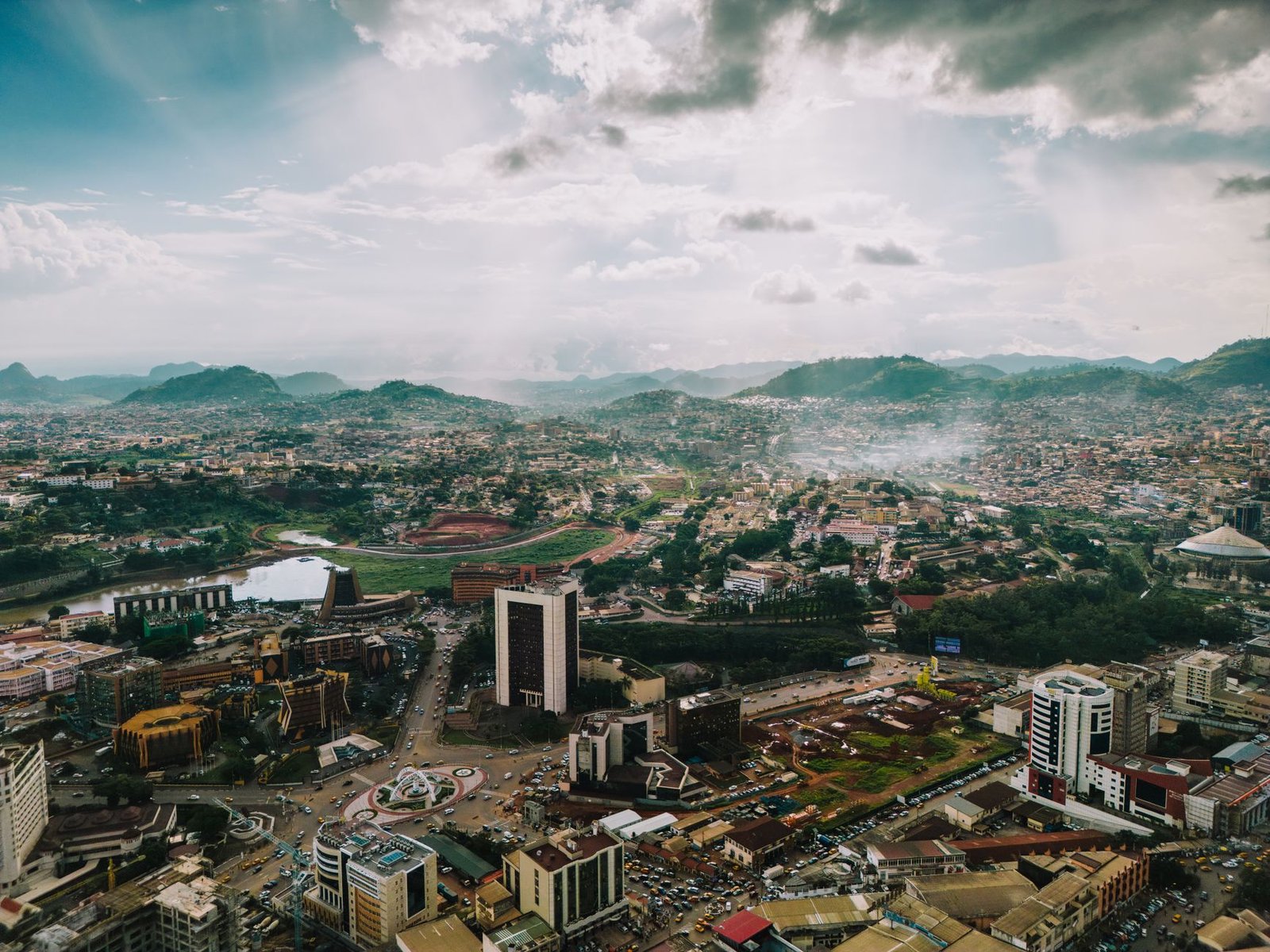
Cameroon’s head of state, Paul Biya, is set to return to Yaoundé, as confirmed by his official entourage. The announcement follows yet another prolonged absence from the country, raising questions about the 91-year-old leader’s health and the continuity of governance in Cameroon. Each time Biya travels abroad for extended periods, speculation about his capacity to lead intensifies, both domestically and among international observers.
The presidency has sought to quell these concerns by emphasizing that the president remains fully in control, despite being abroad. Official statements aim to dispel rumors circulating on social media and in diplomatic circles, where the possibility of a power vacuum periodically resurfaces. Yet, the prolonged silence and physical absence of the head of state continue to fuel doubts about the effectiveness of Cameroon’s executive leadership.
Centralized leadership under scrutiny
Paul Biya has held power since November 1982, overseeing a highly centralized political system where authority is concentrated around his person. His repeated absences have brought to light deeper questions about the functioning of the Cameroonian government when its highest office is physically distant. Cabinet meetings are infrequent, public addresses by the president are rare—often limited to a handful per year—and key policy decisions are frequently implemented through remote executive decrees.
This intermittent leadership style has deepened unease within Cameroon’s political class. Opposition figures, including Maurice Kamto of the Movement for the Renaissance of Cameroon (MRC), have repeatedly called for transparency regarding the president’s ability to carry out his duties. Meanwhile, the ruling Cameroon People’s Democratic Movement (CPDM) dismisses such concerns, asserting that the head of state remains fully lucid and engaged in governance.
Pre-election tensions heighten stakes
The announcement of Biya’s imminent return carries added significance as Cameroon gears up for the 2025 presidential election. The upcoming vote is expected to be a pivotal moment for the country’s political future, with widespread speculation about whether the incumbent will seek an eighth term in office. Neither the CPDM nor Biya himself has publicly confirmed his candidacy, leaving a deliberate ambiguity that effectively freezes the domestic political landscape.
Economically, Cameroon faces formidable challenges. With growth projected at around 4% by international financial institutions, the economy struggles to meet the demands of a rapidly expanding and youthful population. Persistent crises, such as the Anglophone conflict in the Northwest and Southwest regions, the ongoing Boko Haram threat in the Far North, and recurring community tensions, demand a government capable of swift and decisive action.
International partners await clarity
For Cameroon’s international partners—including France, China, and the United States—the stability of Yaoundé remains a critical concern. Strategically positioned between Central Africa and the Gulf of Guinea, Cameroon boasts a significant oil sector and serves as a vital logistical hub for landlocked neighbors like Chad and the Central African Republic. Any prolonged uncertainty over governance is seen as a potential risk to regional stability.
Locally, business leaders navigate this uncertain environment with varying degrees of ease. Major decisions in sectors such as telecommunications, infrastructure, and hydrocarbons are often delayed or slowed while awaiting presidential directives. Yet, the administrative machinery, conditioned by decades of this leadership style, continues to function without visible disruption.
Biya’s announced return thus signals a reinforcement of the status quo rather than the dawn of a new political era. In Yaoundé and beyond, all eyes are now on the coming weeks to see whether official statements align with reality. His entourage has reiterated that the president will soon resume his duties in the capital.