Guinea-Bissau: Embaló’s re-election bid marks decisive turning point
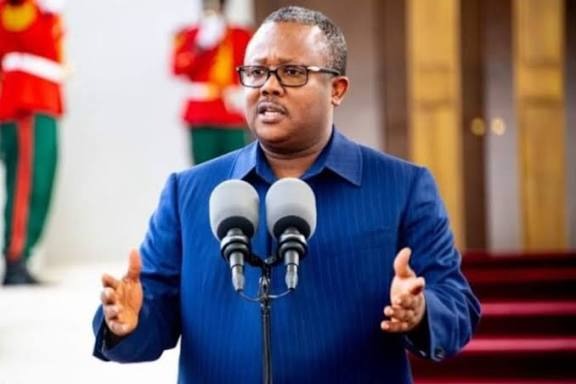
President Umaro Sissoco Embaló has formally declared his candidacy for a second term, a move that brings clarity to Guinea-Bissau’s political landscape and signals a decisive turning point in the country’s turbulent institutional life.
Embaló ends speculation, seizes political momentum
The uncertainty in Bissau is over. After repeatedly hinting he might not run again, the incumbent has now confirmed he will seek another term. By yielding to calls from his supporters and coalition leaders, Embaló reclaims the political initiative as the nation braces for a crucial electoral period.
A presidency defined by reforms and persistent instability
In power since his contested election in late 2019 and his swearing-in in early 2020, Embaló points to a record focused on strengthening Guinea-Bissau’s diplomatic standing and modernising infrastructure. He notably chaired the ECOWAS Conference of Heads of State and Government, restoring international visibility to Bissau.
Yet his term has also been shaken by deep political unrest:
- Repeated dissolution of Parliament: The president dissolved the National People’s Assembly twice, in 2022 and late 2023, citing destabilisation attempts and institutional crises.
- Clashes with the opposition: The opposition coalition led by the PAIGC (African Party for the Independence of Guinea and Cape Verde) has consistently accused the government of authoritarian drift and restricting public freedoms.
- Securing the regime: The authorities have had to confront several episodes of military tension and suspected coup attempts in the capital.
An election under close scrutiny
By making his candidacy official, Embaló fires the starting gun on the electoral battle. The key challenge in the coming months will be the practical organisation of the vote and the level of participation by opposition forces.
For regional observers and international partners, the priority remains an inclusive, transparent and peaceful electoral process to preserve the still fragile political stability of this West African nation.