Unveiled protocol for surrendering FDLR rebels in democratic republic of Congo
The Democratic Republic of Congo has finalized a surrender protocol with the Forces Démocratiques de Libération du Rwanda (FDLR), a rebel group with deep historical roots. According to official statements, the agreement outlines a structured process beginning with the laying down of arms, followed by the relocation of combatants to designated camps, and ultimately their repatriation to Rwanda or resettlement in a third country. Additionally, the protocol addresses the judicial handling of individuals wanted by international or national courts.
Core provisions of the agreement
Under the new framework, the FDLR fighters are expected to surrender their weapons and assemble in cantonment zones before being transferred out of the country. The agreement also mandates legal proceedings for those implicated in serious crimes, ensuring accountability. However, significant uncertainties persist regarding the exact locations of these cantonment sites and the security arrangements that will oversee them.
Unresolved questions and past challenges
While the protocol marks a renewed effort to address the FDLR issue, skepticism lingers due to past initiatives that failed to yield tangible results. In 2025, a disarmament campaign was launched but ultimately fell short of expectations, raising concerns about the feasibility of the current plan. Key questions remain: Where will the cantonment camps be established? Which entities will be responsible for their security? And how will this protocol differ from previous attempts to neutralize the FDLR threat?
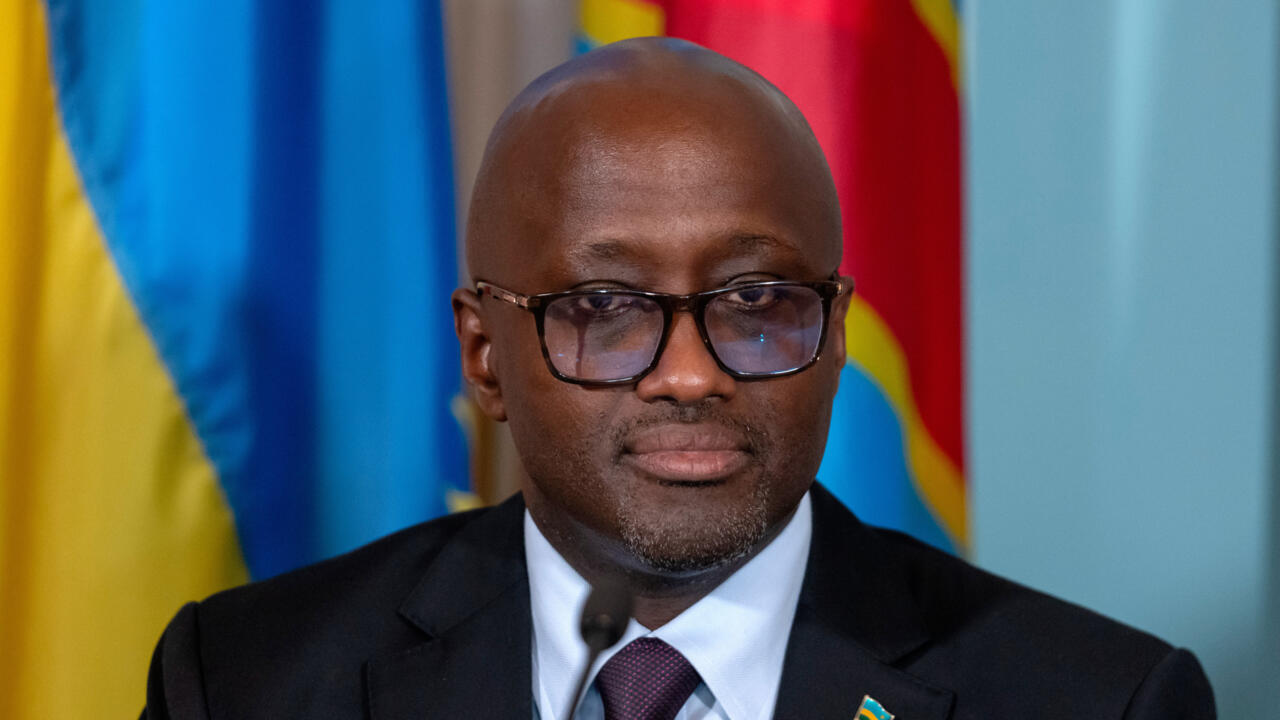
![Rwandan Foreign Minister Olivier Nduhungirehe at a peace signing ceremony between Rwanda and the Democratic Republic of Congo [illustrative image].](https://sahelreporter.com/wp-content/uploads/2026/08/scraped-1785770932070-i1w1e1.jpg)
What’s at stake for regional stability?
The FDLR’s presence in eastern DRC has long been a source of tension between Kinshasa and Kigali, as well as a destabilizing factor in the broader Great Lakes region. By implementing this protocol, authorities aim to dismantle the group’s operational capacity and restore peace in conflict-affected areas. Yet, the success of this initiative hinges on robust enforcement, international cooperation, and addressing the humanitarian needs of both displaced populations and former combatants.
Accountability and international obligations
The protocol emphasizes the judicial processing of FDLR members accused of war crimes or genocide. This aligns with regional and international commitments to end impunity and ensure justice for victims. However, the practical implementation of these measures remains a critical challenge, particularly in ensuring fair trials and protecting the rights of those involved.
Humanitarian and logistical considerations
The relocation of thousands of fighters and dependents requires careful planning to avoid exacerbating existing humanitarian crises. Issues such as access to food, medical care, and safe transit routes must be addressed to prevent further suffering in already vulnerable communities.
As the Democratic Republic of Congo moves forward with this protocol, the coming months will be decisive in determining whether this initiative can break the cycle of violence and bring lasting stability to the region.