Cameroon President Paul Biya’s health stirs controversy amid absence
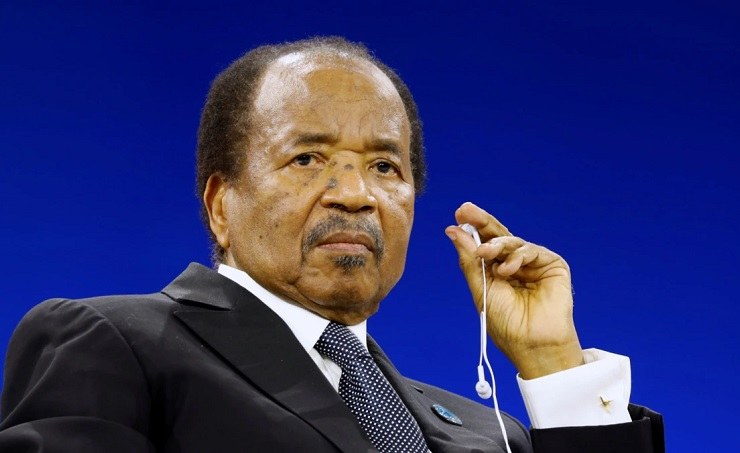
Government Dismisses Rumors Amid President’s Prolonged Absence
The Cameroonian government has moved to quell mounting speculation surrounding the health and whereabouts of President Paul Biya, who has not been seen in public since late May 2026. In a rare official statement, Minister of Communication and Government Spokesperson René Emmanuel Sadi reaffirmed on August 2, 2026, that the 93-year-old head of state remains alive and fully in control of state affairs.
« The President is alive and there is no power vacuum, » Sadi declared, pushing back against opposition claims that have intensified during the President’s extended absence. The prolonged seclusion of Biya, whose exact itinerary remains undisclosed, has fueled persistent rumors and raised questions about the continuity of governance in Cameroon.
Opposition Calls for Constitutional Clarity on Leadership
Leading opposition figures, including Jean-Michel Nintcheu of the Union Démocratique du Cameroun (UDC), have urged the Constitutional Council to formally recognize a potential power void. Nintcheu argues that the nation’s stability cannot hinge on silence or unconfirmed reports, stressing the need for transparent institutional procedures.
« We cannot allow governance to be reduced to conjecture, » he stated, echoing broader concerns about the risks of prolonged presidential absences without clear legal or public explanations. The opposition has also warned of an emerging « institutional void, » suggesting that remote decision-making jeopardizes democratic norms.
Constitutional Framework Governs Presidential Vacancies
Under Cameroon’s Constitution, Article 6, Paragraph 4, outlines a structured process for addressing a presidential vacancy—whether due to death, resignation, or permanent incapacitation. The Council must certify the vacancy, after which a new election must be organized within a strict 20 to 120-day window.
During this transitional period, the interim President is constitutionally mandated to be the President of the Senate, currently Aboubakary Abdoulaye, or, in his absence, the first vice-president, Naomie Mikel Bégala Akono. The interim leader is barred from altering the Constitution, reshuffling the government, calling referendums, or standing as a candidate in the subsequent election.
Government Reaffirms Stability Despite Uncertainty
The administration continues to emphasize continuity, insisting that President Biya maintains full authority despite his prolonged absence. Officials have not provided details about his current location or medical status, further deepening public skepticism. Meanwhile, analysts warn that prolonged ambiguity could erode public trust and destabilize political institutions.