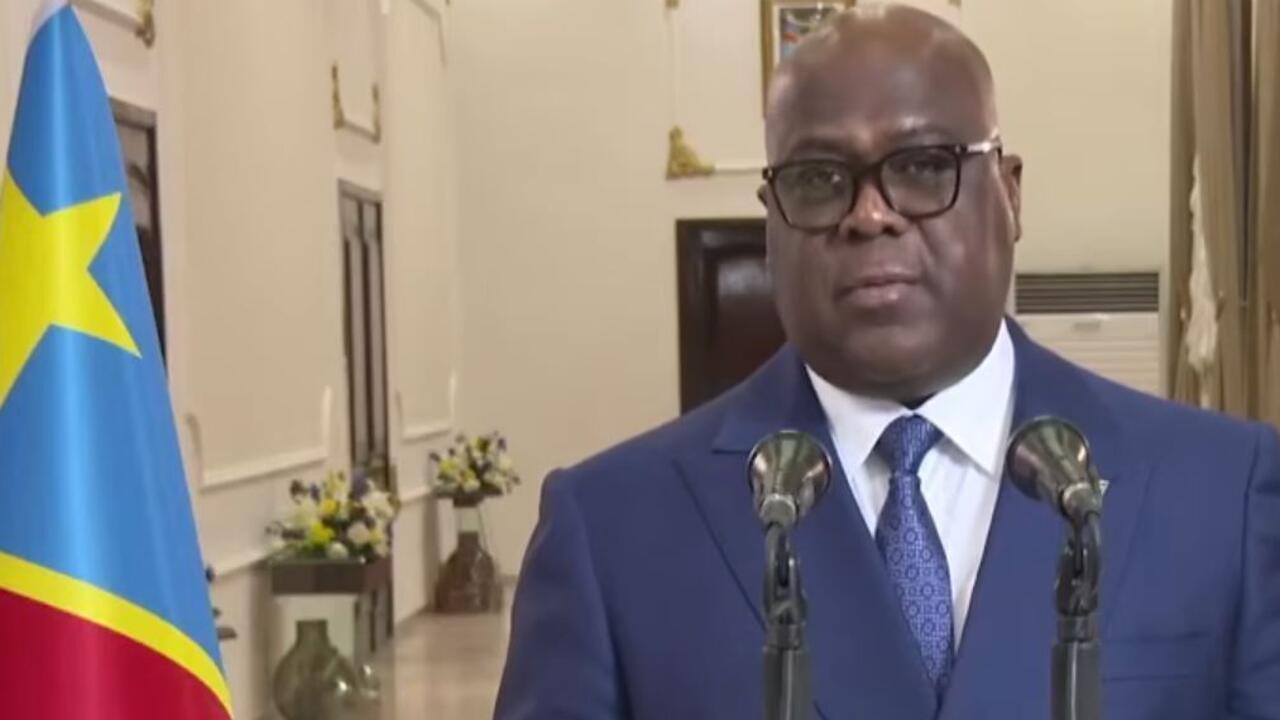

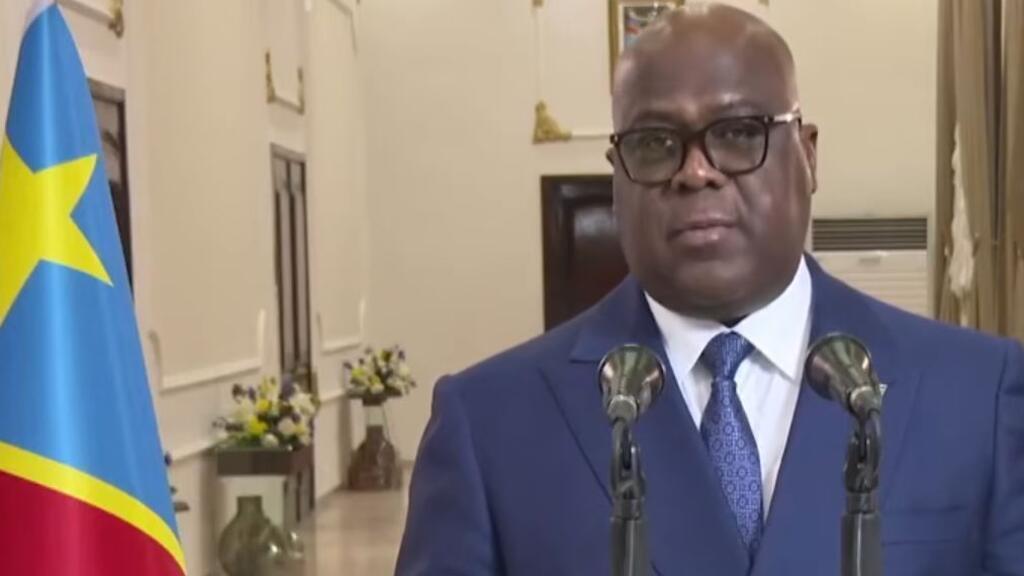
President Félix Tshisekedi of the Democratic Republic of Congo has recently unveiled the detailed framework for a crucial national dialogue, a process eagerly sought by the opposition for several months. The primary objectives of this initiative are to re-establish peace across the nation and to fundamentally re-envision the state’s foundations.
A new path for peace and state reconstruction
The proposed national dialogue is set to commence in the Democratic Republic of Congo’s 26 provinces before converging on Kinshasa, with a maximum duration of three months. This ambitious undertaking aims to gather a broad spectrum of participants, including representatives from the ruling majority, the opposition, civil society organizations, various religious confessions, and diverse segments of the population. This wide-ranging inclusion underscores the government’s stated commitment to a truly representative process.
Key questions on inclusivity and success
However, a significant point of contention has emerged: groups actively engaged in armed conflict in the eastern regions of the DRC are explicitly excluded from this dialogue. This raises critical questions about the potential efficacy of the entire process. Can genuine peace and state reform truly be achieved without the direct involvement of all primary actors entangled in the ongoing conflict in eastern Congo?
Furthermore, observers are pondering what unique elements might enable this new dialogue to succeed where numerous previous dialogues and consultations have fallen short. The historical landscape of the DRC is dotted with attempts at national reconciliation and reform that ultimately failed to yield lasting results. The challenge for President Tshisekedi’s administration will be to demonstrate a novel approach or a deeper commitment that can overcome past obstacles and deliver tangible, sustainable outcomes for the Congolese people.