
Devastating ambush strikes Mali army convoy near Tabankort
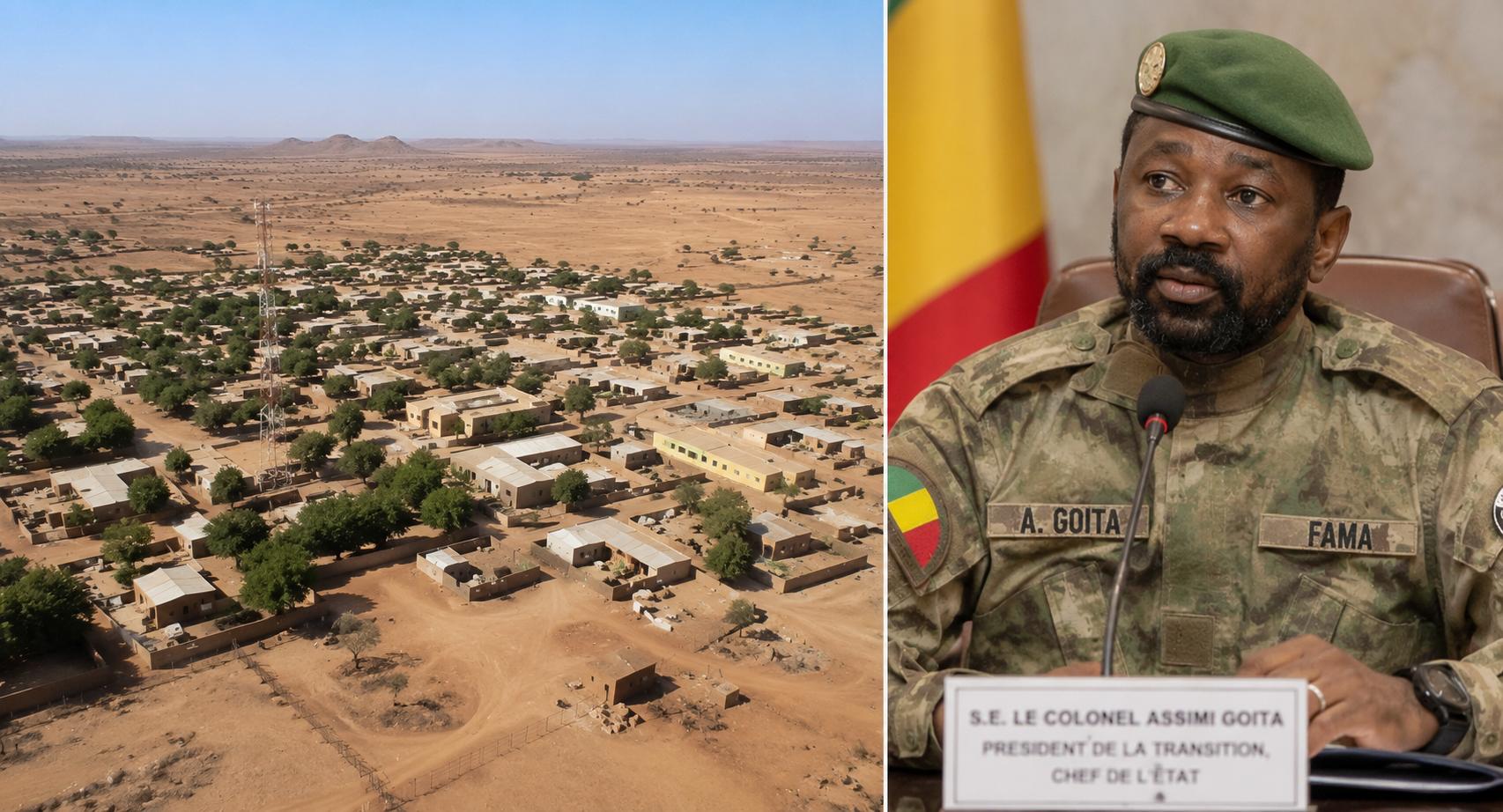
The bone-dry plains around Tabankort turned red yesterday as a massive Malian Armed Forces (FAMa) supply column collided with a lethal rebel force.
The clash erupted near Tin Araban, a desert hamlet 100 km south of the strategic outpost Anéfis, on the Gao–Anéfis supply route that Bamako desperately needs to keep open. The convoy—comprising sixty-odd trucks, armored vehicles, and ground troops—had left Gao at the start of the week bound for Anéfis to relieve the mounting siege imposed by armed groups hostile to the transitional government.
Who struck first in the Sahel sands
The ambush was no random hit-and-run. Intelligence gathered from intercepted communications indicates a carefully orchestrated operation by a temporary alliance that fused the Tuareg Independentist Front (FLA) with the jihadist Group for the Support of Islam and Muslims (JNIM), al-Qaïda’s Sahelian franchise. Fighters used heavy artillery, loitering drones, and rocket-propelled grenades in a daylight assault that raged for most of the afternoon.
The fighting left a trail of smoldering wreckage: several FAMa troop carriers and light armored vehicles operated by Africa Corps instructors—formerly Wagner—were either destroyed or seized. Partial video snippets circulating among local sources also point to the loss of reconnaissance drones and scores of casualties on both sides.
Bamako’s blackout speaks louder than guns
Twenty-four hours after the first volleys echoed around Tabankort, no official statement has been issued by the Malian transitional authorities. The Directorate of Information and Public Relations of the Armed Forces and the cabinet in Bamako have imposed a total media blackout.
This silence is not tactical delay; it is deliberate opacity. By refusing to acknowledge the scale of losses or the intensity of the fighting in the North, the government in Bamako is clinging to its narrative of an unstoppable FAMa surge, even as battlefield reality contradicts the official script. The curtain of secrecy risks deepening the disconnect between the capital’s rhetoric and the harsh truths unfolding in the Sahel.
Anéfis on the brink
The battle’s stakes are existential. If Bamako cannot reopen the Gao–Anéfis corridor and deliver fresh supplies to Anéfis, the isolated garrison faces the prospect of being cut off entirely. That scenario would hand the coalition of northern armed groups a strategic prize: a clear path to launch a sweeping counter-offensive that could unravel the government’s already fragile grip on the septentrional regions. Each hour that passes without credible information only heightens the danger of a fait accompli the capital may struggle to reverse.