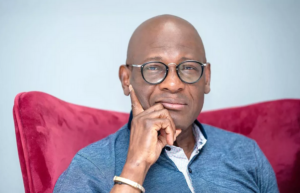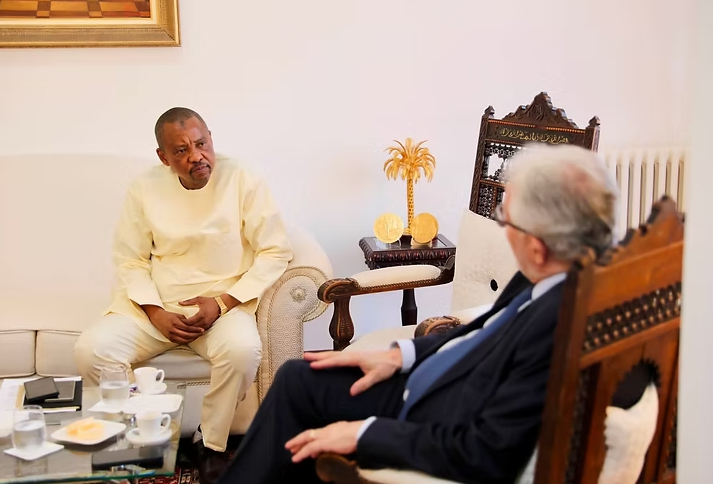

In an unprecedented move, the Nigerien chargé d’affaires in France, Hamadou Saley, was recently received by Chems-eddine Hafiz, the rector of the Grande Mosquée de Paris. While the encounter was framed as a discussion on cultural or religious collaboration, it reveals a far more calculated diplomatic maneuver: Niamey’s attempt to circumvent the frozen diplomatic channels with Paris by leveraging the symbolic weight of France’s largest Muslim institution.
When formal paths close, unconventional routes open
The rupture between Niger and France—marked by expulsions, a surge in anti-French rhetoric, and the collapse of key cooperation agreements—has left official relations in a deep freeze. Yet, behind the scenes, economic pressures, migration flows, and geopolitical realities continue to demand engagement. With the traditional diplomatic route blocked, Niamey has turned to an alternative strategy: religious and cultural channels.
By approaching the Grande Mosquée de Paris, a landmark institution with deep ties to the French state, the Nigerien government seeks to bypass the Quai d’Orsay’s refusal to engage. The move is less about interfaith dialogue and more about finding a backdoor to reopen communication with Paris, even if it means exploiting the mosque’s institutional influence.
The risks of blending faith with foreign policy
This tactic raises serious questions about consistency. While Niamey publicly condemns foreign interference and champions sovereign autonomy, its diplomats are quietly seeking influence within France’s religious structures. The Grande Mosquée de Paris, though a hub of Muslim life in France, is not a neutral ground—it operates within the French institutional framework. Engaging with it as a diplomatic workaround blurs the line between cultural outreach and political maneuvering.
For true normalization to occur, Niger would need to abandon these covert strategies and return to structured, transparent negotiations through official channels. Relying on religious institutions to carry political messages risks undermining long-term trust and credibility, both domestically and internationally.
What comes next for Niger and France?
The Grande Mosquée de Paris’s role in this episode highlights a broader challenge: how can a country like Niger, under diplomatic isolation, re-engage with France without appearing to concede to pressure? The answer may lie in a delicate balance—rebuilding trust through visible, state-to-state dialogue rather than hidden alliances. Until then, the shadows of the mosque’s corridors will continue to echo with the whispers of a diplomacy that dares not speak its name.