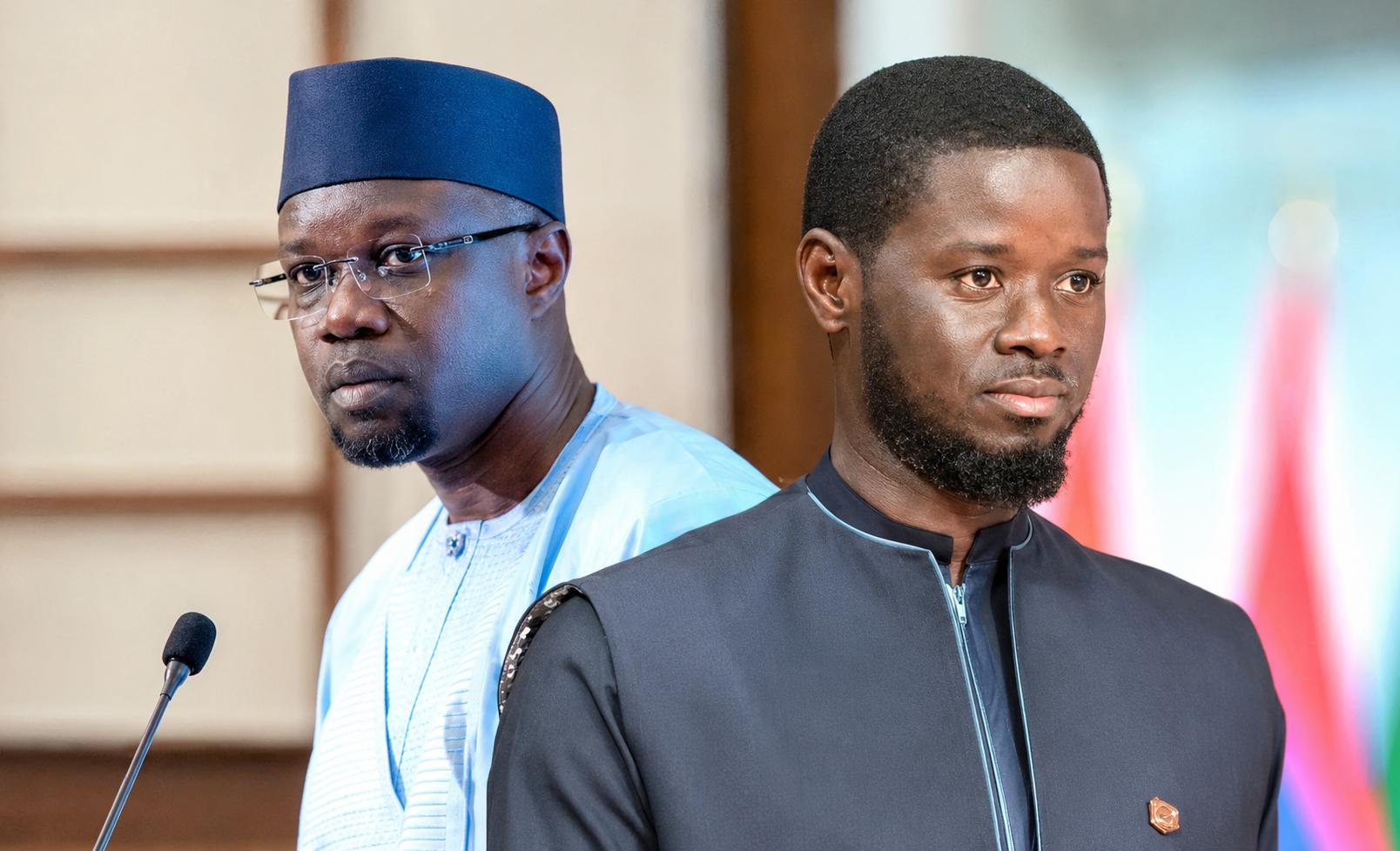

Historic ruling exposes constitutional flaws in Senegal’s reform process
The Constitutional Council of Senegal delivered a landmark verdict on July 9, 2026, striking down a sweeping constitutional reform bill that had been hastily approved by the National Assembly in late June. The decision, issued at the request of President Bassirou Diomaye Faye, underscores deep procedural rifts within the government while affirming the judiciary’s role as a critical safeguard against legislative excesses.
A rare presidential intervention halts constitutional amendments
The proposed reform sought to overhaul Senegal’s institutional framework, including measures to rebalance executive and legislative powers, strip the president of partisan affiliations, and establish a new Constitutional Court. Despite being championed by the ruling coalition, the bill was adopted by the National Assembly on June 29, 2026.
In an unprecedented move, President Faye himself filed an urgent appeal with the Constitutional Council on July 6. The petition did not challenge the reform’s substance but focused solely on procedural violations during its parliamentary passage. The presidency submitted a meticulous dossier, including session transcripts, rejected government amendments, and audio-visual recordings of Assembly debates, to substantiate its claims.
Financial and procedural breaches seal the reform’s fate
The Constitutional Council grounded its rejection in two decisive constitutional violations, as outlined in Article 82:
- Unfunded mandate rule: The Council ruled that parliamentary amendments creating new public charges without compensatory revenue mechanisms violate the Constitution. The reform bill, as approved, introduced financial obligations without corresponding funding sources, rendering it unconstitutional.
- Executive marginalization: The Assembly refused to adjourn deliberations or exclude contentious provisions at the government’s request, disregarding the Executive’s legislative prerogatives. The Council deemed this a breach of constitutional balance.
The ruling declared the reform bill “null and void” before it could be signed into law or put to a referendum, emphasizing that even well-intentioned reforms must adhere to constitutional rigor.
Political fallout tests Senegal’s democratic resilience
The decision marks a pivotal moment in Senegal’s 2026 political calendar. While ruling party supporters view it as a technical setback requiring a revised draft, opposition factions celebrate it as a triumph of legal principle over legislative haste.
Rather than weakening state institutions, the verdict highlights the robustness of Senegal’s judicial independence. It signals that sweeping constitutional changes cannot bypass the procedural safeguards enshrined in the nation’s foundational laws.
For President Faye and his administration, the path forward now demands a strategic reassessment. Whether through a revised legislative proposal or a direct appeal to the public via referendum, the government must align its reform agenda with constitutional mandates to fulfill its promises to the Senegalese people.



