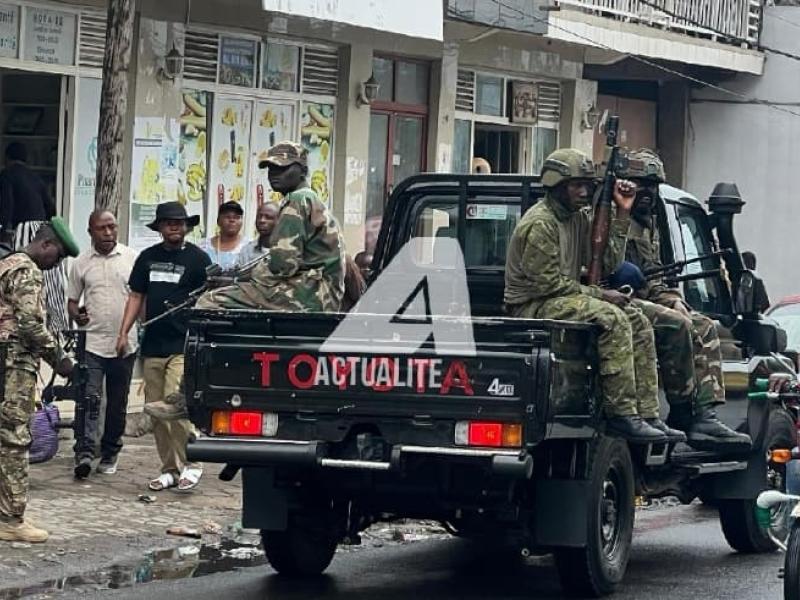

The escalating tensions in the eastern Democratic Republic of the Congo (DRC) have taken a new diplomatic turn, with Russia accusing Ukraine of providing military support to the M23 rebel group. This bold allegation was made by Sergueï Lavrov, Russia’s Foreign Minister, during a joint press conference with his Burundian counterpart in Bujumbura on July 10, 2026.
Moscow’s allegations: Ukraine’s alleged role in DRC’s conflict
According to Lavrov, the M23 rebellion—currently controlling large territories in North Kivu and South Kivu—is receiving backing from foreign actors, including Ukraine. The Russian diplomat framed this as part of a broader strategy to destabilize African governments aligned with Moscow while expanding Kyiv’s influence on the continent.
« We are witnessing blatant interference in African affairs, particularly in the Democratic Republic of the Congo. The legitimate authorities of the DRC, with the support of Burundi, are facing aggression from the M23 group, which is backed by foreign actors, including Ukrainians. We are well aware of this, and our Burundian friends share this awareness, » Lavrov stated.
He further claimed that Ukraine’s involvement in African conflicts is part of a deliberate effort to undermine governments perceived as pro-Russia, positioning Kyiv as a key player in the region’s geopolitical struggles.
International reactions and growing humanitarian concerns
The accusations come amid rising international alarm over the use of armed drones in the DRC conflict. Russia, represented at the United Nations Security Council by Anna Evstigneeva, highlighted the worsening security and humanitarian crisis, pointing to a deadly drone strike in Goma on March 11, which killed a UNICEF staff member. Moscow also expressed concerns over reports of foreign mercenaries—some with combat experience in Ukraine—being recruited as drone operators or trainers in the conflict.
« We are deeply troubled by reports of foreign mercenaries, some with military experience gained in Ukraine, now serving as drone operators or instructors in the DRC, » Evstigneeva told the UN Security Council on June 26, 2026.
Diplomatic deadlock and stalled peace efforts
Despite multiple peace initiatives, including the Washington Agreement and negotiations mediated by Qatar in Doha, the conflict shows no signs of abating. Disputes between Kinshasa and Kigali over the terms of the Washington Agreement, as well as the lack of progress in the Montreux talks in Switzerland, have further complicated efforts to broker a lasting solution.
International calls for compliance with peace commitments continue, but tangible progress remains elusive. The stalemate persists as each party interprets the agreements differently, delaying their implementation and perpetuating the crisis.
The allegations from Moscow add another layer of complexity to an already volatile situation, raising questions about the true extent of external involvement in one of Africa’s most protracted conflicts.