
Gabon France state visit highlights deepening ties and challenges
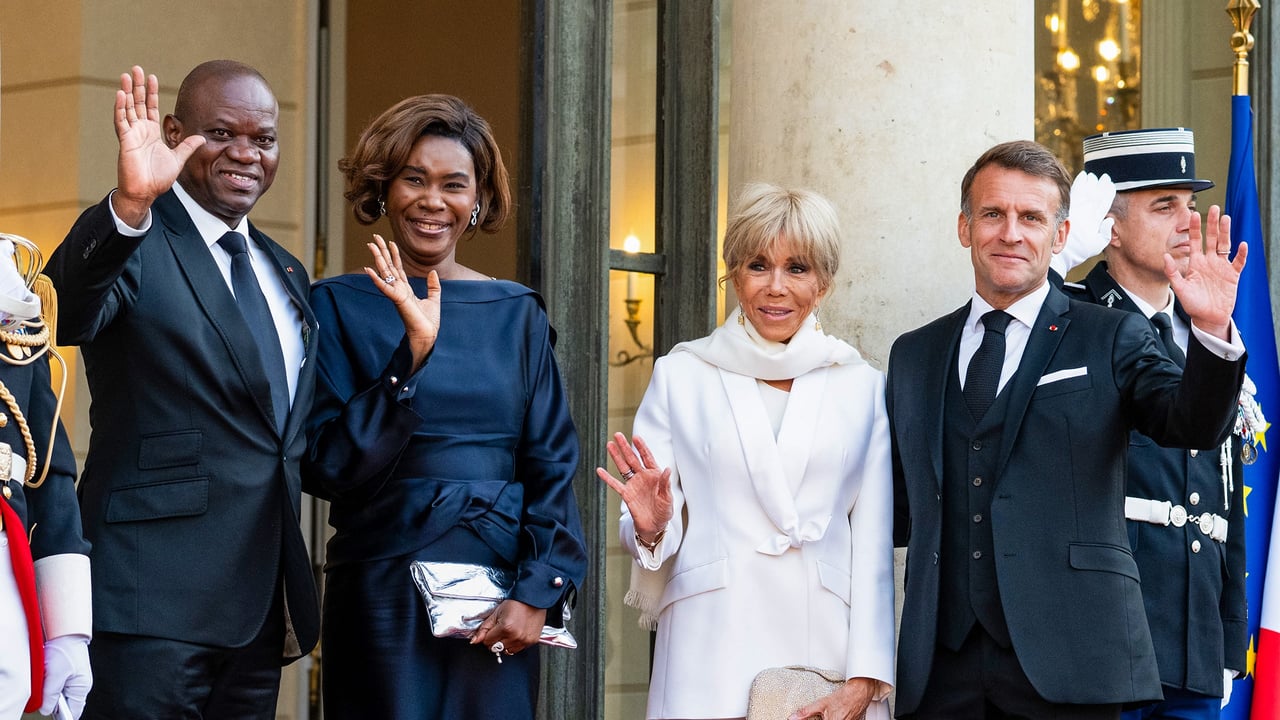

Behind the scenes of Gabon’s high-stakes state visit to France
When Brice Clotaire Oligui Nguema, the transitional leader of Gabon, stepped onto French soil for a landmark state visit, the stage was set for a carefully choreographed display of diplomacy. The three-day official program in Paris, culminating in a dîner d’État at the Élysée Palace, underscored both the historical ties and the evolving dynamics between the two nations.
Formalities and fanfare: a visit steeped in tradition
The visit kicked off with full military honors, a gesture rich in symbolism. As Oligui Nguema and his delegation arrived, the French Republic rolled out the red carpet—literally. The Élysée greeted the Gabonese leader with a formal reception, complete with a guard of honor and the national anthems of both countries playing in unison. The presence of Emmanuel Macron and his wife, Brigitte Macron, at the state dinner highlighted the importance Paris places on maintaining strong Franco-African relations.
Yet beneath the pageantry lay a more complex agenda. Economic cooperation, defense partnerships, and energy security took center stage in closed-door discussions. France, long a key player in Gabon’s oil and mining sectors, sought assurances about the continuity of its strategic interests amid the country’s political transition.
Balancing act: diplomacy meets internal realities
For Oligui Nguema, the visit was a balancing act. On one hand, he needed to reassure Paris of Gabon’s stability and openness to foreign investment. On the other, he faced pressure at home to assert Gabon’s sovereignty and reduce dependence on former colonial powers. The state dinner, held in the opulent setting of the Élysée Palace, served as a visual reminder of the strong historical bonds—even as new expectations emerged.
Key topics included:
- Economic collaboration: Renewing trade agreements and exploring new opportunities in Gabon’s mining and timber industries.
- Energy partnerships: Discussions on securing France’s role in Gabon’s oil sector amid shifting global energy markets.
- Security cooperation: Strengthening defense ties in light of regional instability.
Symbolism and substance: what the visit signaled
The optics of the visit—the lavish welcome, the formal attire, the presence of top French officials—sent a clear message: France remains committed to its African partners, even as global powers vie for influence on the continent. For Oligui Nguema, the trip was a bid to reposition Gabon on the world stage, leveraging its natural resources and strategic location to attract broader international engagement.
Yet, the visit also laid bare the tensions inherent in such relationships. While Gabon seeks investment and expertise, it must navigate the delicate balance between cooperation and sovereignty. The outcome of these talks will shape not only bilateral ties but also Gabon’s future trajectory in a rapidly changing geopolitical landscape.
As the final notes of the national anthems faded and the Élysée’s chandeliers dimmed, one thing was certain: this state visit was more than a ceremonial gesture. It was a defining moment in Gabon’s post-transition diplomacy—and a test of how far both nations are willing to go to protect and advance their interests.