
Gabon turns natural wealth into sustainable economic growth
Libreville, June 30, 2026 – Gabon is reimagining its future by transforming its exceptional biodiversity into a sustainable economic engine. Through a fresh national strategy for sustainable tourism and craftsmanship, the government is launching an ambitious initiative that extends far beyond the travel industry.
This roadmap signals a bold shift in national development priorities, anchored in harnessing natural capital, generating employment, and diversifying an economy still heavily reliant on extractive industries.
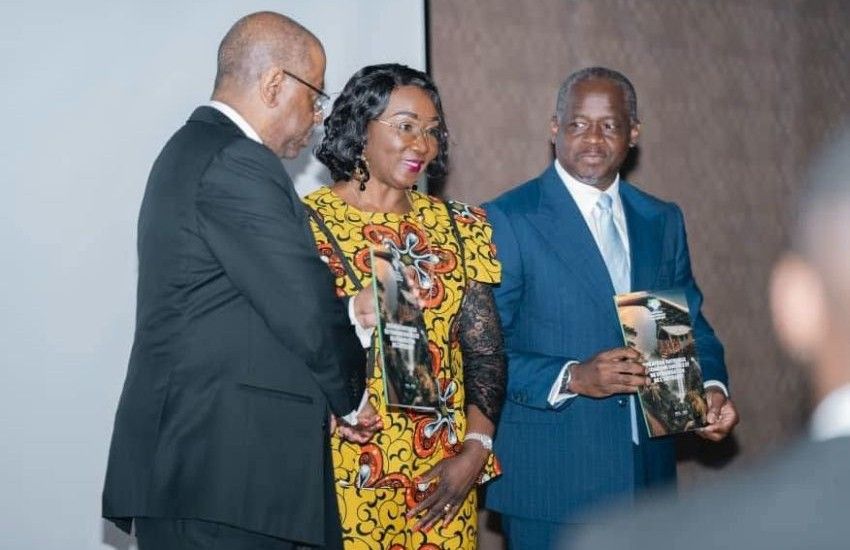
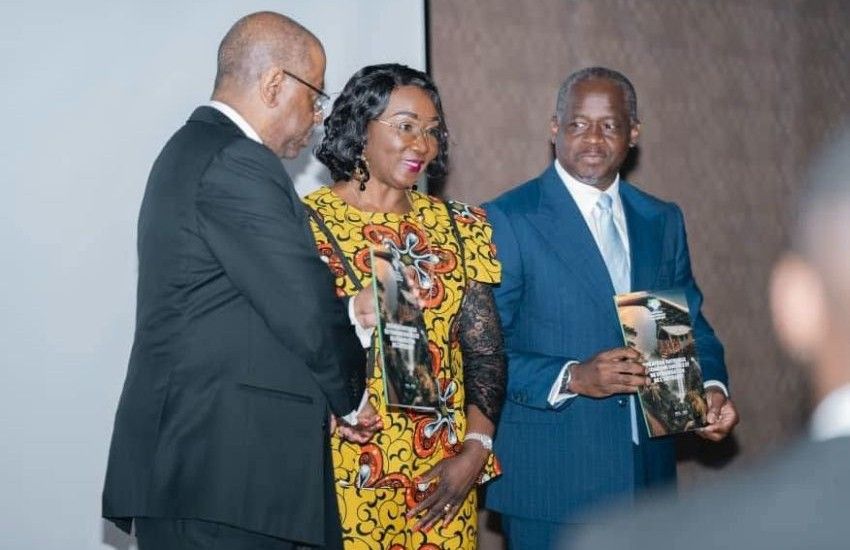
At the heart of this vision lies a strategic document unveiled at the Cité de la Démocratie in Libreville, bringing together top government officials, technical partners, diplomats, and private sector representatives. In an era where traditional economic models are faltering and global ecological transitions are accelerating, Gabon aims to position its forests, national parks, culture, and crafts as pillars of enduring growth.
Tourism Minister Marcelle Ibinga épouse Itsitsa emphasized that tourism is more than an economic activity—it is a tool for regional development, a showcase of national identity, and a powerful investment catalyst capable of reshaping communities.
71 priority projects to scale up impact
Despite international recognition of its potential, Gabon’s tourism sector has long failed to fully capitalize on its strengths. Assessments shared during the launch highlighted decades of institutional, legal, and organizational gaps that have stifled the emergence of a thriving tourism industry.
To break this cycle, the strategy outlines 71 priority projects targeting infrastructure upgrades, sector governance reforms, operator training, eco-tourism circuit development, and the preservation of historical, cultural, and artisanal heritage. The goal is twofold: significantly boost tourism’s contribution to GDP while safeguarding the ecological integrity that defines the country.
With over 88% of its land covered in forests and some of Africa’s most pristine national parks, Gabon boasts a rare competitive edge. Its wildlife, flora, and landscapes form a global treasure whose economic value remains largely untapped.
Breaking silos for collective progress
The success of this strategy hinges on one critical factor: seamless public coordination. Industry Minister Lubin Ntoutoume stressed that no single ministry can achieve this alone. Tourism development requires collaboration across infrastructure, transport, culture, environment, water and forests, land use planning, and vocational training.
This integrated approach marks a significant shift in economic governance, positioning tourism not as a peripheral sector but as a growth catalyst. It can stimulate private investment, create jobs in remote areas, and uplift multiple industries simultaneously.
The strategy also places craftsmanship at the forefront, leveraging local expertise to preserve cultural heritage while generating income for thousands of families.
The moment of truth
Symbols matter. The appointment of actress and producer Nelly Obono as the national tourism caravan ambassador and artist Annie Flore’s offer to promote the country using her song Je t’invite free of charge reflect a commitment to integrate cultural voices into the national agenda.
Yet the real test lies in execution. Vice President Alexandre Barro Chambrier called on all administrations, local governments, and business operators to adopt this strategy and turn it into tangible results. The handover of the strategic document and the immediate formation of an implementation team mark the transition from planning to action.
The third edition of the National Tourism Caravan, scheduled from July 17 to September 6, will serve as the first real-world trial of this new policy.
For Gabon, the stakes go beyond tourism. The nation is betting on turning environmental stewardship into a prosperity engine. In a world searching for sustainable economic models, this strategy could position Gabon as one of Africa’s most promising laboratories for green growth.



