
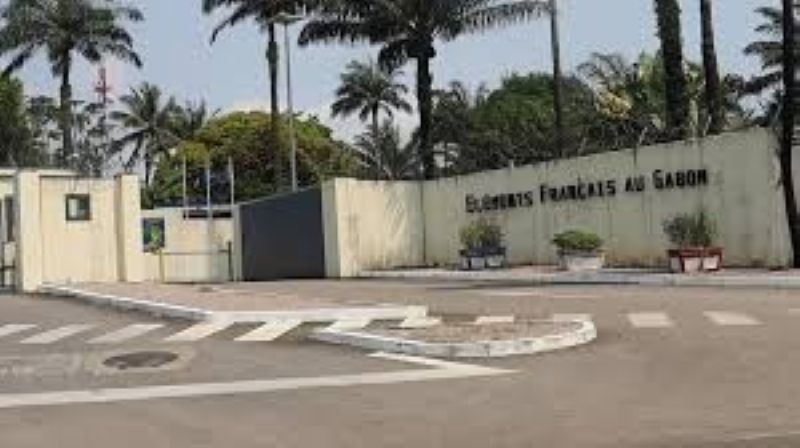
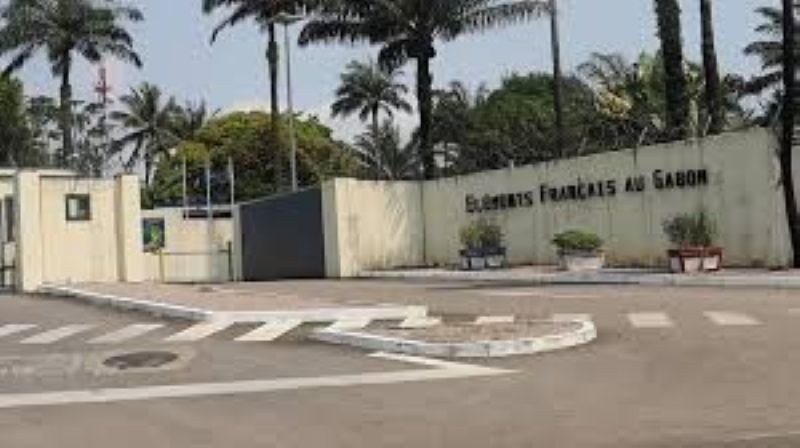
Libreville, Wednesday, June 3, 2026 — When President Brice Clotaire Oligui Nguema announced the impending closure of Camp de Gaulle, his decision transcended mere administrative protocol. It marked the beginning of a transformative era in Gabon’s relationship with its history and future strategic direction.
Some administrative choices carry implications far beyond their immediate scope. President Nguema’s announcement during a recent interview falls squarely into this category. The renaming of Camp de Gaulle—once one of France’s most prominent military outposts in Gabon—signals more than a symbolic gesture. It represents a significant political, historical, and strategic shift in how the country perceives its past while navigating international partnerships.
Closing a chapter of military legacy
For decades, Camp de Gaulle stood as a symbol of French military presence in Gabon. Its establishment was part of a broader security framework established after African independence, when Paris maintained multiple bases across the continent to bolster regional stability. However, Africa in 2026 is not the Africa of the 1960s.
Today, the continent is increasingly focused on national sovereignty, control over strategic infrastructure, and reclaiming historical narratives. Gabon is no exception. The handover of the camp to national authorities represents the end of an era without implying a sudden rupture in relations.
A contrasting approach to Sahel transitions
The President emphasized this critical distinction. Unlike transitions observed in Mali, Burkina Faso, or Niger, Gabon’s military restructuring has unfolded through dialogue and mutual agreement. No diplomatic tensions have accompanied this evolution.
Military cooperation remains robust, albeit fundamentally transformed. The permanent French military presence has given way to a leaner structure, now limited to around a hundred specialized instructors focused on training. This shift aligns with a global trend where military partnerships prioritize skill transfer over large foreign troop deployments.
Shaping Africa’s security future
The site’s future represents the most consequential aspect of this transformation. The former Camp de Gaulle is being repurposed as a training hub for Gabon’s defense and security forces, as well as for regional partners. This initiative extends well beyond national borders.
In an environment marked by rising transnational threats, organized crime, and security challenges in the Gulf of Guinea, competence development has become a strategic imperative. Gabon aims to position itself as a regional center of excellence, contributing to the professionalization of African security forces.
Naming as an act of sovereignty
Beyond military restructuring, the name change itself captures attention. The new center will bear the name of a Gabonese national hero. More than a mere sign, this decision reflects a deeper movement toward reclaiming national memory. Naming a place is an act of storytelling—it shapes the narratives passed down to future generations.
By replacing a colonial-era figure with a national icon, Gabon asserts its commitment to crafting its own narrative while maintaining balanced cooperation with historical partners.
This move does not signal a rejection of France. Instead, it embodies a newfound political maturity. Ultimately, this isn’t just about renaming a military camp—it’s about the emergence of a distinct Gabonese sovereignty in the eyes of the continent.