
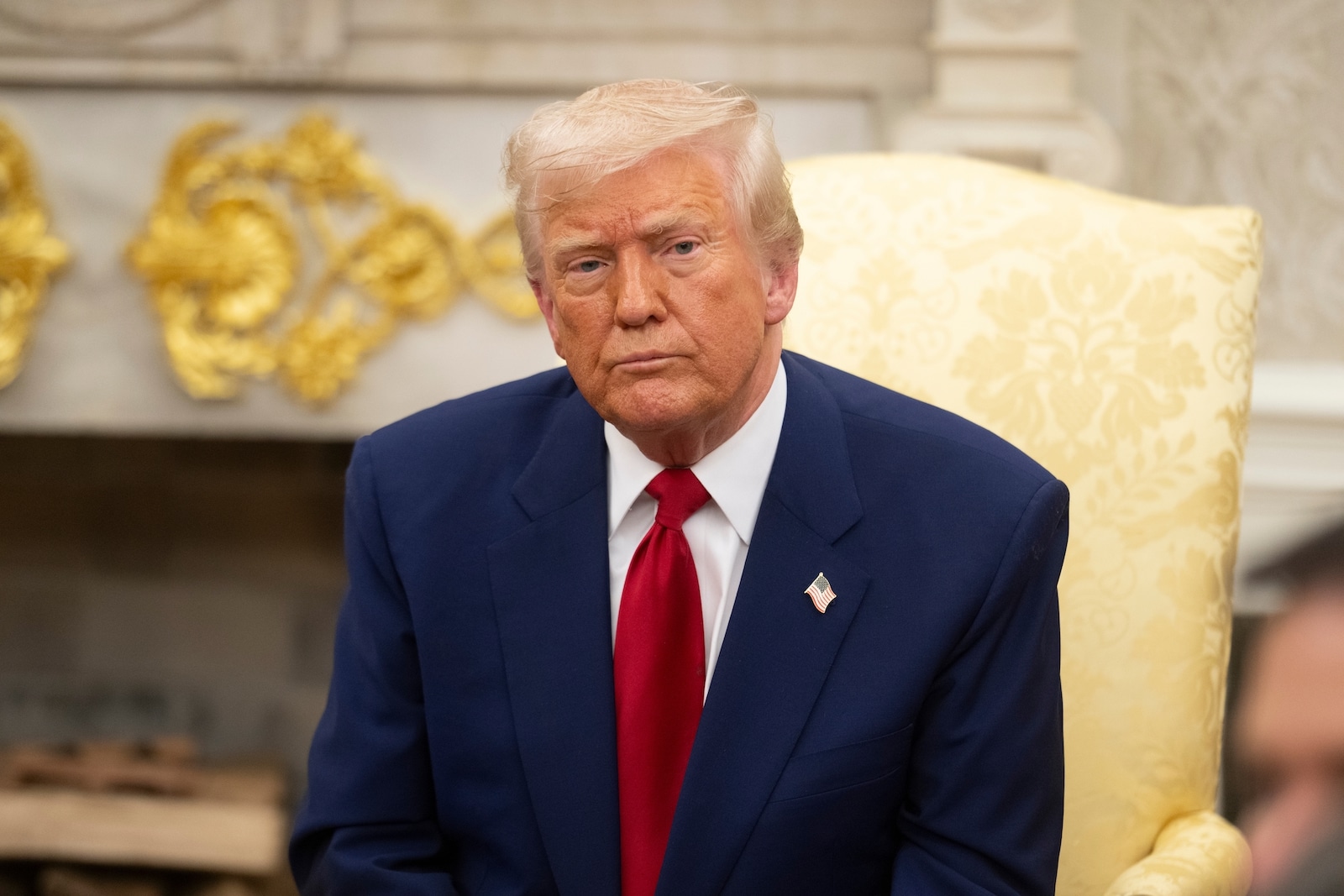


The administration of President Donald Trump is currently evaluating the potential for conducting airstrikes against the Jama’at Nusrat al-Islam wal-Muslimin (JNIM), an Al-Qaeda-affiliated group operating in Mali. This significant consideration emerges amidst a worsening security landscape across the Sahel region, where Malian forces, despite backing from Russia’s Africa Corps, are struggling to regain and maintain the upper hand against various armed factions. This development is a key focus of Sahel current affairs and could reshape Mali Niger Burkina reporting.
United States considers direct action against JNIM
The United States may soon re-engage its military assets in Mali. Information circulating among current and former American officials indicates that the Trump administration is actively exploring options to authorize strikes targeting JNIM. This group, aligned with Al-Qaeda, has solidified its position as one of the most prominent jihadist organizations active throughout the Sahel. Such a move would mark a notable shift in Washington’s strategy on the ground in the Sahel.
However, the proposal has sparked internal debate within the American administration. Several senior officials are reportedly divided on the prudence of such an intervention. Sebastian Gorka, who serves as the Senior Director for Counterterrorism on the National Security Council at the White House, is understood to be among the proponents of military action.
When questioned about these deliberations, an American official neither confirmed nor denied the possibility of airstrikes. Instead, the official highlighted Washington’s ongoing efforts to encourage North African and West African governments to procure American military equipment and services, thereby strengthening their capabilities in the fight against terrorist organizations.
The same official characterized terrorism in the Sahel as a “multinational problem,” urging regional partners and NATO allies to lend their support to the Alliance of Sahel States in its campaign against JNIM and the Islamic State organization. The official also asserted that “Russia bears responsibility for the deteriorating security situation,” deeming Moscow an “ineffective security partner for Mali.” This perspective is crucial for understanding Sahel news in English.
The Pentagon declined to comment on these details. The Department of State, for its part, reiterated that the United States “unequivocally condemns terrorist activities in Mali.” Since 2018, Washington has officially designated JNIM as a foreign terrorist organization.
Africa Corps faces worsening security challenges
This American deliberation comes at a time when Mali’s military situation continues to worsen. In recent months, JNIM has intensified its offensives against Malian forces, at times coordinating with the Azawad Liberation Front (FLA). In April, this alliance mounted one of the most significant offensives against Malian authorities in years, resulting in the loss of several strategic positions in the country’s northern regions.
Against this backdrop, the Africa Corps, a structure under the control of the Russian Ministry of Defense that formally succeeded the Wagner Group in Mali, has adjusted its operational deployment. Analyses indicate that Russian forces are now increasingly concentrating their resources on safeguarding Bamako, critical infrastructure, and Malian authorities, while simultaneously scaling back their permanent presence in certain northern areas of the country. This shift reflects the complex on-the-ground Sahel realities.
This strategic evolution follows a series of military setbacks experienced by Malian forces and their Russian partners in confrontations with JNIM and the FLA. Several independent assessments suggest that the stated objectives of the strengthened security partnership between Bamako and Moscow have yet to be achieved, despite substantial resources being deployed.
Concurrently with these operational challenges, allegations of abuses involving Malian military personnel and members of the Africa Corps continue to surface from various international media outlets and human rights organizations. Testimonies detailing violence against civilians in the Timbuktu region have been reported. Malian authorities have not issued any comments regarding these accusations.
A potential American intervention would represent a notable shift in Washington’s strategy for the Sahel. Following the gradual withdrawal of Western forces from several countries in the region and Mali’s closer ties with Russia, the United States now appears to be contemplating a more direct role in combating jihadist groups. As of now, no definitive decision has been announced, and discussions within the Trump administration are ongoing. This evolving situation is critical for any Sahel Reporter following regional dynamics.