
how Gabon strengthens financial transparency against illicit flows
Libreville, Gabon – As clandestine financial flows fuel organized crime, terrorism, and corruption globally, the robustness of national oversight systems has become a critical measure of international credibility.
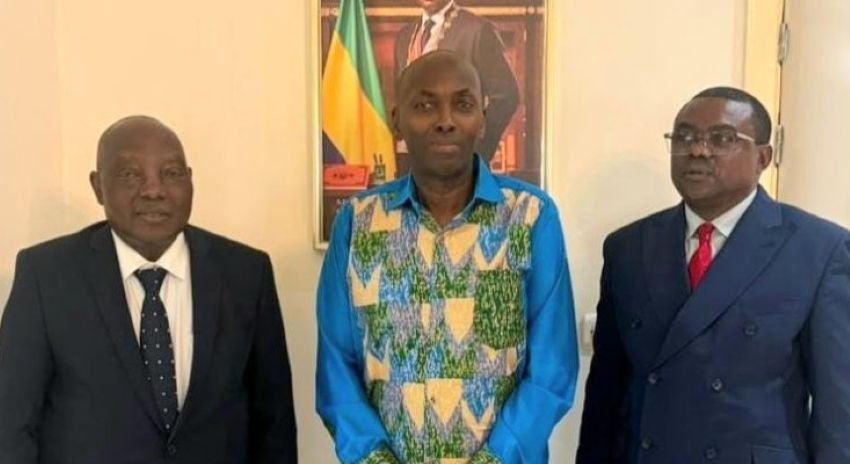
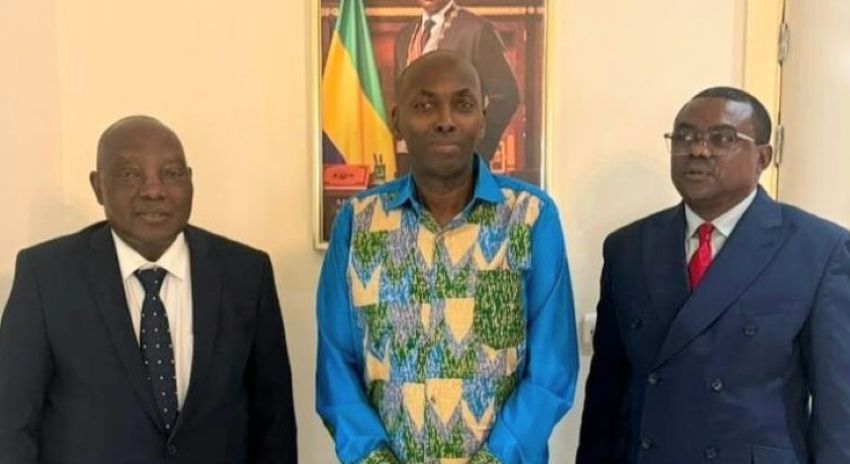
Gabon is positioning itself to make financial integrity a cornerstone of its governance strategy. High-level meetings in Libreville between Interior Minister Adrien Nguema Mba, Justice Minister Augustin Emane, and André Kanga, Permanent Secretary of the Central African Anti-Money Laundering Group (GABAC), underscore a bold political commitment. Beyond preparing for GABAC’s third evaluation cycle, this engagement reflects Gabon’s strategic role in regional and global financial transparency frameworks.
Recognition with greater responsibilities
These discussions unfold amid intensified efforts by CEMAC member states to combat money laundering, terrorist financing, and illicit financial flows. With criminal networks growing increasingly sophisticated, regional institutions are demanding coordinated responses aligned with international standards set by the Financial Action Task Force (FATF).
In this context, André Kanga praised Gabon’s progress in aligning its legal, institutional, and operational frameworks with regional expectations. This endorsement carries weight: Gabon has been invited to participate in the high-level segment of GABAC’s fifteenth plenary session in N’Djamena on October 3, 2026—a pivotal moment marking the launch of the third evaluation cycle. Unlike previous assessments, this round will focus not just on the existence of laws but on their real-world effectiveness, implementation, and measurable outcomes in detecting, prosecuting, and confiscating criminal assets.
Passing the third evaluation test
André Kanga emphasized that this new phase demands heightened coordination across all relevant agencies. A key focus will be asset recovery mechanisms, now a primary performance indicator for member states. Discussions with Justice Minister Augustin Emane centered on technical preparations to ensure Gabon’s compliance with regional and international benchmarks. For Emane, the invitation is both an honor and a responsibility.
The Minister reaffirmed Gabon’s commitment to actively contribute to strengthening judicial and financial cooperation among Central African nations. In a subregion grappling with cross-border trafficking, criminal financing, and the risks of informal economies, the effectiveness of national systems hinges on their integration with regional mechanisms. GABAC, established by CEMAC states, serves precisely this purpose—harmonizing national reforms, evaluating their impact, and facilitating information-sharing among competent authorities.
Financial credibility as a strategic asset
For Gabon, this drive transcends regulatory compliance. It directly enhances the business climate, investor confidence, and access to international financing. Under President Brice Clotaire Oligui Nguema’s leadership, authorities have prioritized combating corruption, public fund embezzlement, and illicit financial circuits as pillars of public governance reform. This strategy is part of a broader vision to restore institutional credibility and secure resources essential for economic development.
The coming months will be decisive. The third evaluation cycle will test institutional maturity as much as transparency. Its outcomes will shape perceptions of Gabon among technical partners, international donors, and investors for years to come. In today’s globalized financial landscape, a nation’s reputation is a key driver of economic attractiveness—and Gabon appears fully aligned with this new reality.