Illegal air strikes in central Mali kill civilians
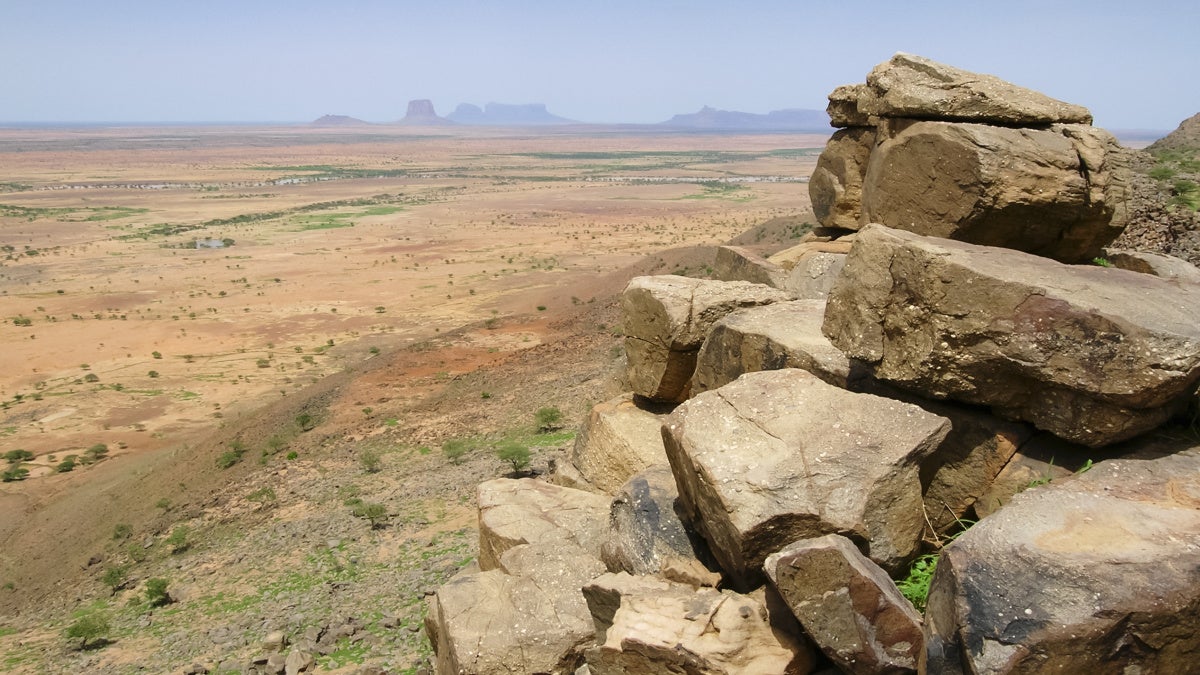
Civilian casualties in Mali’s Mopti region
In a blatant violation of international humanitarian law, Africa Corps—a Russian-backed military unit—conducted an airstrike in the Malian village of Kyrnia on June 15, 2026, resulting in the deaths of eight civilians, including three children. The attack, carried out by a Sukhoi Su-24 fighter jet, struck civilian targets with terrifying precision, leaving a trail of destruction in its wake.
Targeting a village under islamist control
The village of Kyrnia, under the control of the Group for the Support of Islam and Muslims (JNIM)—an Al-Qaeda-affiliated militant group—for six years, was bustling with activity on the day of the strike. Witnesses reported that over 100 JNIM fighters were present, primarily gathered at the village mosque and a nearby store adjacent to a livestock market. The first strike hit outside the residence of the village chief, killing his two children, his wife, and another child, while injuring a woman. The second strike devastated the livestock market, killing four men and injuring two others. None of the victims were combatants.
Local testimonies paint a harrowing picture of the attack. A 37-year-old cattle herder, present at the market, described the chaos: “The market was in shambles—stalls torn apart, cattle torn to pieces. Thick black smoke rose from the chief’s house, followed by another explosion.” He recounted assisting in clearing debris from the collapsed residence, where the chief’s second wife was found lifeless, her arms severed. Nearby, the bodies of two children and another boy, thrown onto a roof by the blast, were recovered.
Russia’s Africa Corps takes responsibility
On June 23, Africa Corps claimed responsibility for the strike, alleging it had targeted a “terrorist gathering” in the Mopti region, killing several field commanders. The group released a video of the strike, which human rights investigators later geolocated to Kyrnia. Satellite imagery and video analysis by independent observers revealed two large craters—each 12 meters wide—consistent with high-explosive munitions. Nine market stalls visible in pre-strike satellite images appeared destroyed in the aftermath.
Witnesses described seeing a low-flying fighter jet emitting a deafening roar. A 35-year-old merchant recounted: “It was a fast, low-flying jet… I saw it drop a bomb like a fireball before I ran for cover under a tree.” An 18-year-old student present at the market recalled identifying the bodies of three merchants who had been transporting sacks of dates on a tricycle when the explosion occurred.
Legal violations and accountability
The strike at Kyrnia raises serious concerns under international law. The Geneva Conventions prohibit attacks that fail to distinguish between civilians and combatants, cause disproportionate civilian harm, or target civilian objects. Human rights experts argue that the strikes lacked precision targeting and were likely indiscriminate, given the proximity of civilians and the absence of identifiable military objectives at the impact sites.
>The village chief, a prominent figure in Kyrnia, has faced scrutiny due to his alleged business dealings with JNIM. However, witnesses confirmed that none of his three sons—who are reportedly JNIM fighters—were present during the attack. Investigators found no evidence to suggest the chief’s residence was used to store weapons or ammunition.
Human rights organizations have called on the Malian government to conduct an impartial investigation into the incident. Ilaria Allegrozzi, a senior Sahel researcher, emphasized: “The Malian junta cannot evade accountability for war crimes committed by its allies. It must investigate these atrocities or risk being complicit in them.”
Broader context: Mali’s escalating security crisis
Since 2012, Mali has grappled with insurgencies by Islamist militant groups, including JNIM. Following coups in 2020 and 2021, the military junta, led by General Assimi Goïta, severed ties with French and UN forces and forged closer alliances with Russia. Since 2021, the junta has relied on Russian-backed Wagner Group mercenaries—rebranded as Africa Corps in 2023—for security operations. Russian officials have acknowledged the deployment of military personnel to Mali, claiming they support counterterrorism efforts.
This incident underscores the growing risks of civilian harm in Mali’s counterinsurgency operations, particularly as foreign-backed forces take a more prominent role. The junta’s reliance on external military support has intensified debates over accountability and the protection of civilians in conflict zones.