
The security landscape in western Niger remains highly volatile. While the military administration in Niamey orchestrates public campaigns to rally support for the head of state, General Abdourahamane Tiani, recent deadly incursions in the Tillabéri region underscore the relentless threat posed by armed groups.
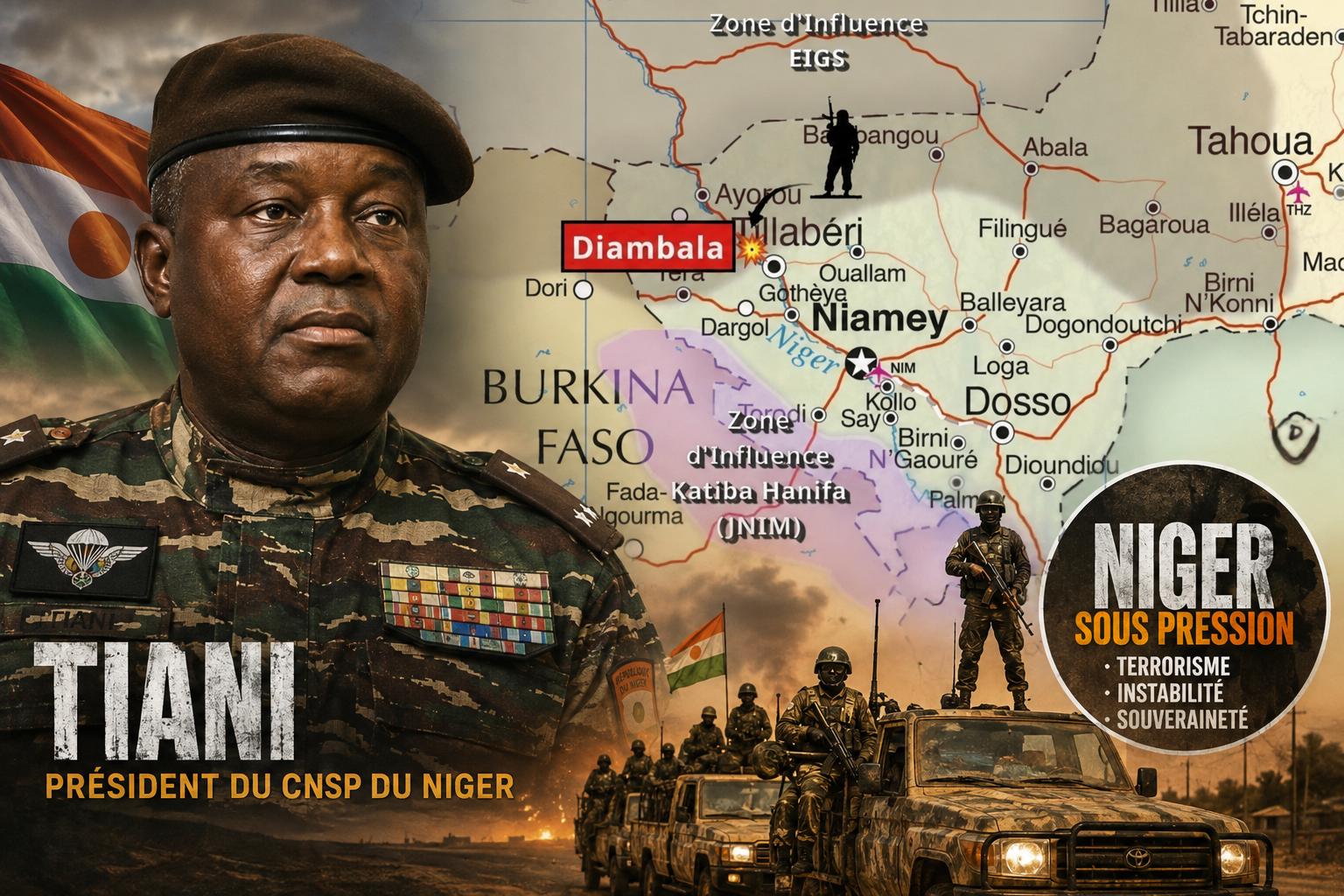
On 2 September 2026, armed assailants targeted several settlements within the Tillabéri department, specifically striking the localities of Darbani, Diamballa, and Namarigoungou.
The assault on Diamballa led to a tragedy when two young girls drowned in a water pond while desperately attempting to escape the attackers. During the same raid, a local resident sustained gunshot wounds. In Namarigoungou, another civilian lost his life to the violence. The raiders also plundered livestock from all three affected villages before fleeing.
The wave of violence continued the following day. On Thursday, 3 September, armed men launched another offensive against the village of Zibane, located in the rural commune of Anzourou within Tillabéri. Local defense militiamen confronted the attackers, resulting in the death of one militia member during the exchange of fire.
A region under constant threat
These fresh atrocities highlight the deep vulnerability of a territory regularly subjected to raids by armed factions. Positioned in the volatile tri-border zone shared by Niger, Mali, and Burkina Faso, Tillabéri remains one of the primary epicenters of violence in the country.
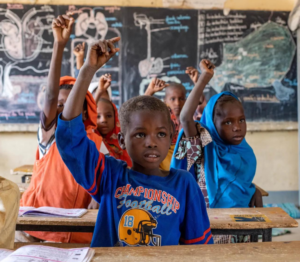
For rural populations, these recurrent incursions represent far more than physical danger. They severely disrupt farming and herding, trigger mass displacements, and worsen the economic misery of communities already struggling under severe hardships. Each attack intensifies local skepticism regarding the government’s capacity to establish lasting peace, particularly in remote areas far from the capital.
Political campaigns versus daily survival
This grim reality on the ground stands in stark contrast to the intense political communication coming from the military leadership. Amidst the fallout of a recent abortive coup attempt, authorities and their allies are actively engaged in public relations campaigns designed to cement popular support for General Abdourahamane Tiani.
Through coordinated rallies, messages of solidarity, and public appeals, the administration is striving to bolster the head of state’s public image and political legitimacy. Yet, while official channels project an image of national unity and popular backing, residents in Tillabéri continue to live under the constant shadow of armed raids and fear.
The urgent need for real protection
For the ruling military council, maintaining public support is a critical objective in a highly sensitive political climate. However, for those living on the frontlines of the conflict, the absolute priority is basic survival: the freedom to move, farm, and tend to livestock without the constant fear of being killed.
The latest tragedies in Tillabéri demonstrate that the battle for stability is far from over. Beyond political rallies and promotional campaigns for General Tiani, the fundamental question remains: what concrete, long-term strategies will the government deploy to safeguard citizens facing daily violence?