
The hidden mechanics of Niamey’s fuel crisis: what’s really behind the shortages
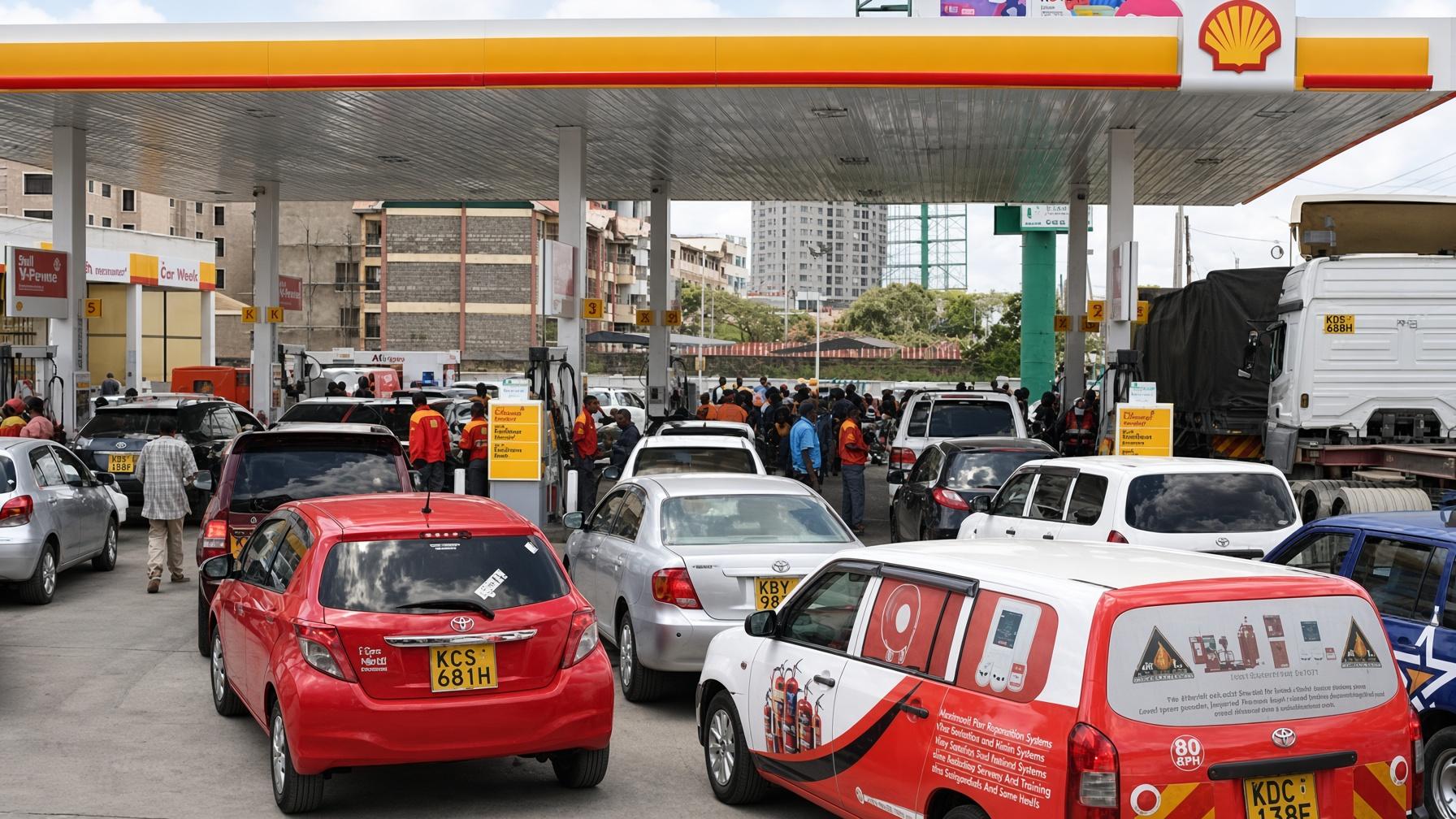
Behind the long lines and closed stations in Niamey lies more than a temporary supply hiccup—it’s a structural breakdown rooted in years of mismanagement, misaligned priorities, and reactive governance. As petrol stations sputter dry and queues stretch for kilometers, the capital’s economy isn’t just stalling; it’s revealing deep flaws in Niger’s energy infrastructure, import policies, and crisis response. What began as a trickle of shortages has ballooned into a full-blown emergency, not because of an unpredictable shock, but because the systems meant to prevent it have failed.
Why the Soraz refinery’s limitations are crippling Niamey’s fuel supply
At the heart of the crisis is Niger’s own oil refinery, Soraz, located in Zinder. Despite the government’s talk of energy sovereignty, the facility—designed to produce around 20,000 barrels per day, primarily diesel—simply cannot meet national demand. Official admissions in late 2026 revealed a staggering shortfall: nearly 197 million liters of gasoline and 53 million liters of diesel missing in the first eight months alone. This gap wasn’t due to an unforeseen disaster; it was the inevitable result of importing cheap Nigerian fuel to compensate for local refinery shortfalls, and then suddenly losing access to that supply when Nigeria eliminated subsidies.
The refinery’s output structure is inherently flawed for the present needs. With gasoline production deprioritized, the nation is forced to rely on costly, poorly managed imports—leaving the market vulnerable to volatility and profiteering. The absence of a diversified energy strategy has left Niamey—and the rest of the country—hostage to sudden supply disruptions and price spikes.
How government mismanagement turned a predictable problem into a daily ordeal
When the Ministry of Commerce released a list of gas stations with sporadic fuel supplies, it wasn’t a solution—it was a signal to desperate drivers: converge here. The move amplified chaos, not calm. Instead of spreading out demand, the government’s ad hoc communication triggered stampedes to a handful of outlets, turning rationing into a logistical nightmare. This wasn’t just incompetence; it was a complete absence of strategic planning.
The lack of transparency has deepened the crisis. Citizens demand clarity on stock levels and distribution timelines, yet officials remain silent, feeding rumors and panic. When allegations of mismanagement or embezzlement arise, responses are dismissive and unproven—offering no data, no audit trails, only reassurances without substance. Such opacity doesn’t just frustrate the public; it erodes trust in the state’s ability to govern.
Who really pays the price of the fuel shortage in Niamey
While leaders debate policy in boardrooms, the costs are paid by ordinary people. Daily wage earners wait for hours in suffocating lines, losing income and dignity. Small business owners face skyrocketing transport costs, squeezing margins and threatening survival. Informal dealers exploit the vacuum, selling adulterated fuel at exorbitant prices—leaving families with damaged engines and empty wallets. The transportation sector, already fragile, teeters on collapse, pushing transport fees to unsustainable levels.
If the shortage continues, the inflationary ripple effect will be catastrophic. Staples like food, medicine, and household goods will become unaffordable, pushing more Nigeriens into poverty. The informal market isn’t a lifeline—it’s a symptom of a failed state, one that has abandoned its most basic duty: ensuring energy access for its people.
What’s needed now: beyond band-aid solutions to systemic reform
Rationing and selective station listings are not policies—they’re desperate measures that displace crisis rather than resolve it. A real solution requires long-term vision: expanding refinery capacity, diversifying import channels, investing in renewables, and guaranteeing transparent stock management. Without these, Niamey will remain trapped in a perpetual cycle of shortages, speculation, and suffering.
The people of Niger deserve better than to be held hostage by their own energy system. The current chaos isn’t an accident—it’s the result of choices not made, warnings ignored, and systems left to rot. Reforming the energy sector isn’t just economic policy; it’s a matter of national survival.