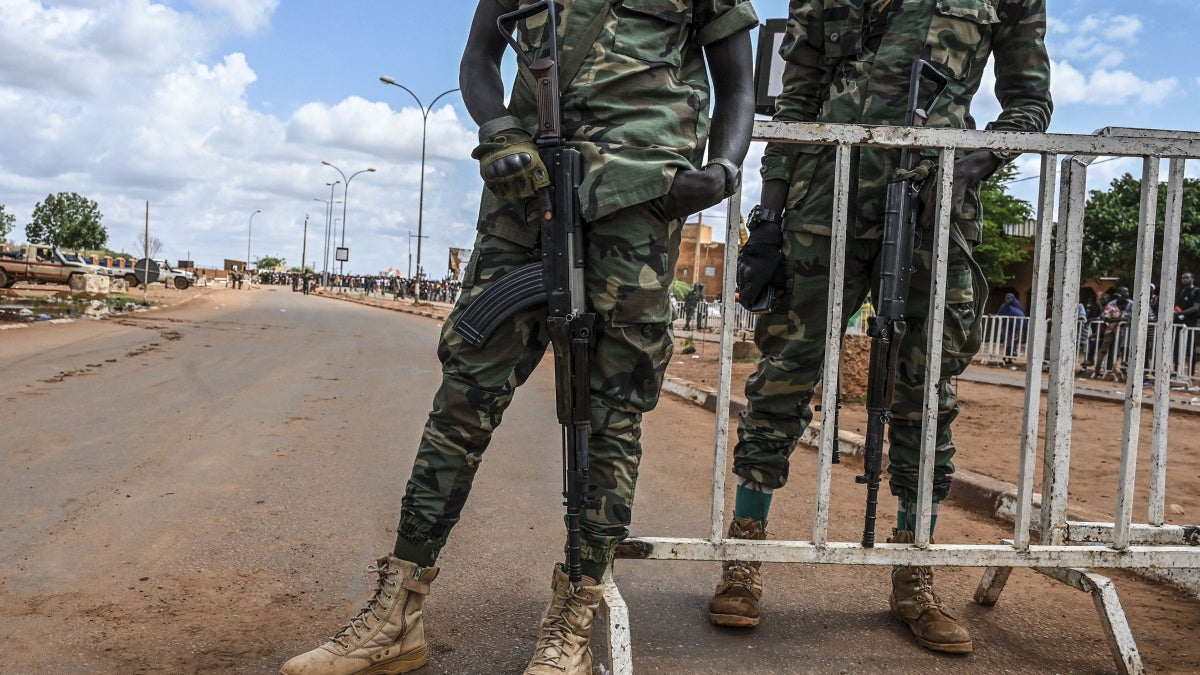

In a series of brazen assaults, an Islamist militant faction has claimed the lives of 30 civilians, including four children, alongside five captured fighters in two separate raids conducted in western Niger since January 18, 2026. The attacks, attributed to the Islamic State in the Sahel (ISIS-S), have been condemned as blatant war crimes by international observers.
civilian massacres linked to zakat refusal and government militia ties
On January 18, ISIS-S militants stormed the village of Bossieye, rounding up and executing 31 men and boys in apparent retaliation for residents refusing to pay the zakat—a compulsory Islamic tax imposed by the group—and for joining pro-government militias. A similar incident unfolded on January 26 in the village of Alfaga Daweyzé Koira, where four men were killed and five others injured when villagers attempted to protect a resident accused of collaborating with the military.
Both villages lie within the Tillabéri region, a hotspot of ISIS-S activity and a battleground for counter-insurgency operations between the group and Nigerien forces over the past decade.
local leaders and villagers caught in the crossfire
According to Sahel Reporter sources, ISIS-S militants had visited Bossieye in November 2025, demanding zakat payments from villagers under threat of violence. A 45-year-old resident recounted how the village chief, after consulting with community elders, decided to reject these demands and instead encouraged locals to join government-backed militias for self-defense. “Paying zakat to armed men on motorcycles was like feeding the elephant that would eventually trample us,” the villager explained. “We chose to stand firm, but the elephant came anyway.”
By late 2025, many villagers—primarily from the Zarma ethnic group—had received military training and weapons, forming militias to resist ISIS-S advances. Witnesses described the January 18 attack as a coordinated assault involving over 100 motorcycles, with militants conducting house-to-house searches to abduct men and boys. Five of those seized were known militia members, though unarmed at the time. A local woman reported seeing armed men herd male villagers between the mosque and the chief’s residence before gunfire erupted, sparing women and young children.
The following day, Nigerien soldiers participating in Operation Borkono—a military campaign targeting Islamist militants launched in January—arrived in Bossieye alongside militia fighters, secured the area, and allowed residents to bury the dead. A 42-year-old man who visited the village on January 19 described finding 31 bodies near the mosque, most with multiple gunshot wounds to the head, limbs, and torso. A 65-year-old resident added that four mass graves were dug, holding 9, 9, 6, and 7 bodies respectively.
second attack targets alleged military collaborator
On January 26, ISIS-S fighters descended on Alfaga Daweyzé Koira on five motorcycles, searching the market for a man accused of aiding the army. Unable to locate their target, they stormed his home, where a crowd had gathered in his defense. A 35-year-old survivor recounted how the militants opened fire, killing four men instantly and injuring five others. Villagers later buried the victims in individual graves and alerted security forces, who arrived on January 28 but focused solely on evacuating the wounded chief without addressing broader community concerns.
call for accountability and civilian protection
Ilaria Allegrozzi, Senior Sahel Researcher at Human Rights Watch, condemned the attacks, stating, “ISIS-S is deliberately targeting civilians in Tillabéri, demonstrating a callous disregard for human life. These horrific acts must stop.”
Between January 21 and February 4, Human Rights Watch conducted remote interviews with 13 individuals, including six attack witnesses and seven local activists, journalists, and community leaders. On February 6, the organization sent a letter to Niger’s military junta outlining its findings and demanding government accountability, but received no response.
While ISIS-S has not formally claimed responsibility, witnesses identified the attackers by their distinctive red-banded turbans, a signature seen in prior assaults. The group has imposed zakat demands across the region, often meting out brutal reprisals against those who resist or cooperate with state forces.
Niger’s military junta struggles with insurgency amid rights concerns
The Niger military junta, which seized power in a July 2023 coup, has vowed to combat Islamist insurgencies but faces accusations of its own human rights violations during counter-insurgency operations in Tillabéri. According to Armed Conflict Location and Event Data Project (ACLED), the region recorded the highest number of civilian fatalities from attacks in the central Sahel in 2025, with ISIS-S, Nigerien forces, and the Jama’at Nasr al-Islam wal Muslimin (JNIM) responsible for the majority of violence.
All parties in the conflict are bound by Common Article 3 of the Geneva Conventions and international humanitarian law, which prohibit attacks on civilians, mistreatment of detainees, and destruction of civilian property. Perpetrators of war crimes may face prosecution under international law. Niger’s government bears the responsibility to investigate alleged war crimes, hold perpetrators accountable, and ensure victims receive adequate support.
Allegrozzi urged urgent action: “The relentless atrocities by ISIS-S against civilians are alarming. The Nigerien military authorities must prioritize civilian protection, prosecute abusers, and provide essential aid to victims and their families.”
key takeaways from the attacks in Tillabéri
- ISIS-S militants killed 30 civilians (including four children) and five captured fighters in two Tillabéri region attacks in January 2026.
- Victims included men and boys targeted for refusing to pay zakat or joining pro-government militias.
- Witnesses report militants used red-banded turbans, a known ISIS-S identifier, during assaults.
- The Tillabéri region remains a critical battleground in Niger’s fight against Islamist insurgencies.
- International law experts call for investigations into war crimes and protection of civilians amid rising violence.