
Lecornu’s diplomatic debut: strengthening ties with Qatar and Morocco
The French Prime Minister’s first foreign tour sends clear signals about Paris’s strategic priorities and diplomatic positioning.

Why this tour matters
A newly appointed Prime Minister’s first international trip often sets the tone for their tenure. Sébastien Lecornu’s journey to Doha and Rabat is no exception—it underscores France’s diplomatic priorities and strategic alliances.
His itinerary begins in Qatar, where he pays respects following the passing of the former Emir, Sheikh Hamad bin Khalifa Al Thani. From there, he heads to Morocco, where the focus shifts to deepening bilateral relations after a significant diplomatic shift regarding Western Sahara. In 2024, France endorsed Morocco’s autonomy plan as the sole basis for resolving the conflict, a move that strained ties with Algeria.
Qatar: a gesture of respect with deeper implications
The stop in Doha is more than a courtesy call—it’s a deliberate diplomatic move. Lecornu is accompanied by Jean-Yves Le Drian, a seasoned diplomat with extensive experience in Gulf affairs, signaling continuity in France’s approach to the region.
The former Emir, who ruled from 1995 to 2013, is remembered for modernizing Qatar and maintaining a proactive foreign policy. France’s tribute isn’t just symbolic; it reflects the strength of a long-standing partnership built on mutual interests. With around 6,000 French expatriates and robust economic ties—particularly in aviation and defense—Paris has every reason to nurture this relationship. For Qatar, France remains a reliable partner in regional discussions, offering both political clout and strategic leverage.
Morocco: turning diplomatic momentum into lasting gains
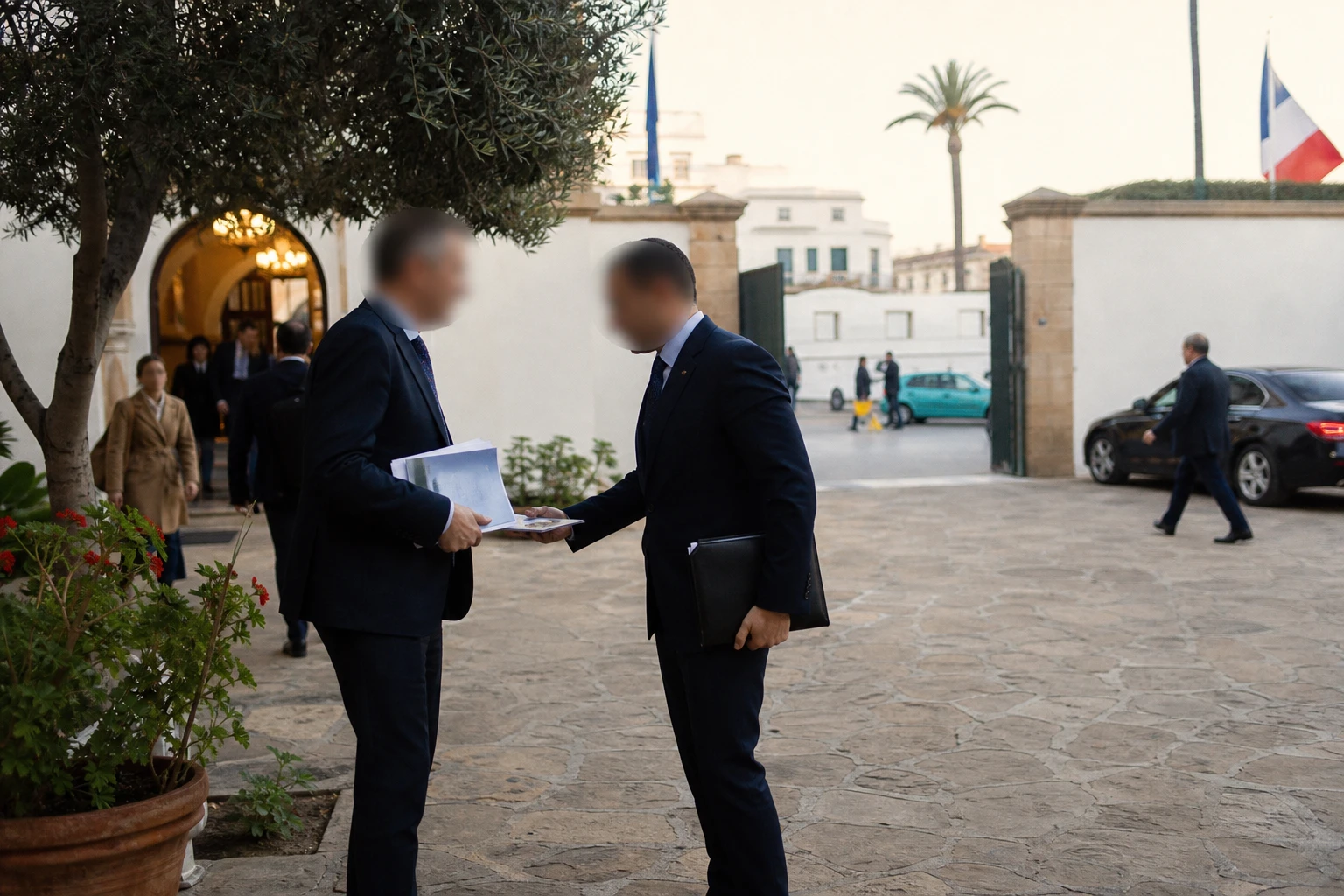
The visit to Rabat is the tour’s centerpiece, featuring high-level talks with Moroccan officials. This marks the first such meeting since 2019, underscoring the urgency of the visit. A dozen French ministers, including Jean-Noël Barrot and Laurent Nuñez, will join Lecornu, signaling Paris’s commitment to revitalizing the relationship.
The diplomatic thaw between France and Morocco gained momentum in mid-2024 when France recognized Morocco’s sovereignty over Western Sahara, endorsing Rabat’s autonomy plan. This was followed by a state visit by Emmanuel Macron in October 2024, where both countries unveiled a strengthened partnership and signed agreements worth over €10 billion in investments and economic cooperation.
For Morocco, France’s support is a major diplomatic victory, reinforcing its position on Western Sahara—the cornerstone of its foreign policy. For France, the benefits are twofold: securing a stronger foothold in a key North African market and reclaiming influence in a country where it has historically held significant sway.
The ripple effects on Algeria
France’s stance on Western Sahara has deepened tensions with Algeria, which condemned the decision as hostile. Algiers recalled its ambassador from Paris in protest, highlighting the severity of the rift. As Lecornu’s tour unfolds, France must navigate a delicate balance: strengthening ties with Morocco while leaving room for dialogue with Algeria.
This tour isn’t just about consolidating gains—it’s a message to other Maghreb capitals. Paris is openly recalibrating its alliances, and Morocco stands to benefit the most. Algeria, meanwhile, views this as a clear alignment with Rabat, further complicating efforts at reconciliation.
Critics, particularly from the Sahrawi side, argue that France’s support for Morocco’s autonomy plan legitimizes an occupation. While Paris frames its position as a basis for negotiation rather than a final resolution, the debate underscores the sensitivity of the issue.
What to watch next
The success of this tour hinges on two key developments. First, the tangible outcomes of the discussions in Rabat—whether in economic cooperation, security, mobility, or migration. Second, the potential visit of King Mohammed VI to France, which could formalize a new era of Franco-Moroccan partnership.
Yet, the broader question remains: how far can France push its alignment with Morocco without permanently damaging relations with Algeria? Lecornu’s tour doesn’t resolve this tension, but it does lay bare the path Paris has chosen.